Humidity Test Chamber in the electronics industry
Humidity Test Chamber are commonly used in the electronics industry to test the effect of humidity on electronic components and equipment. Humidity can cause many electronic components to degrade or fail, so it is important to test their stability under different humidity conditions.
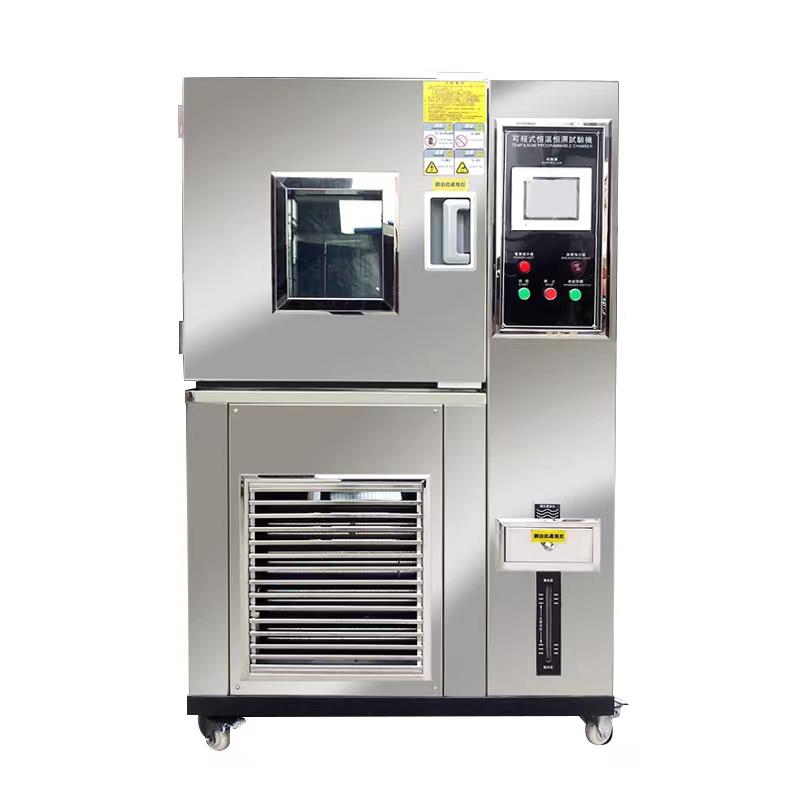
In particular, Humidity Chambers can be used to test the moisture resistance of electronic components such as printed circuit boards, connectors and cables. Moisture can cause corrosion or short circuits in these components, resulting in device failure.
Humidity chambers can also be used to study the effect of humidity on the reliability and performance of electronic devices such as sensors, actuators, and displays. Humidity affects the accuracy and response time of these devices, so it is important to test their performance under different humidity conditions.
In addition, humidity Test Chambers can be used to study the effect of humidity on the thermal management of electronic equipment. Moisture affects the thermal conductivity of materials, resulting in increased heat generation and reduced device performance. Testing in a Humidity Chamber helps optimize the design of electronic equipment for better thermal management.
All in all, humidity Test Chambers are an important tool for the electronics industry to test the effects of moisture on electronic components and equipment and optimize their design for better reliability and performance under different environmental conditions. They help researchers and industry professionals better understand the properties of electronic materials and equipment and develop more reliable and durable products for a variety of applications.