Application of Humidity Chamber in Aerospace
Humidity chambers are also used in aerospace engineering to test the effects of humidity on materials, components, and systems used in aircraft and spacecraft. Humidity can affect the performance and reliability of these materials and systems, so it is important to test their stability under different humidity conditions.
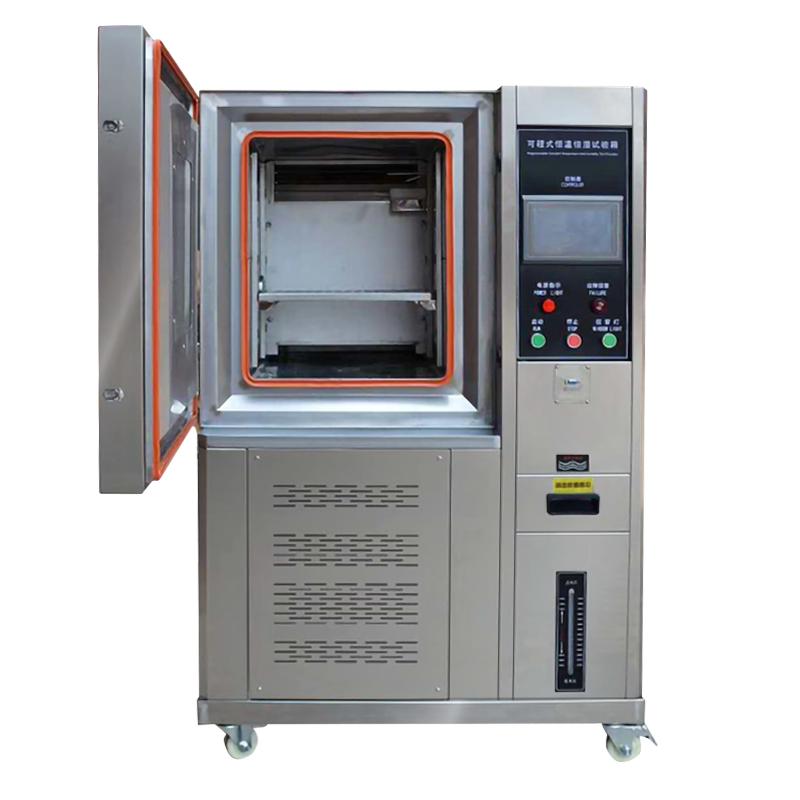
In particular, Humidity Chambers can be used to test the moisture resistance of materials used in aerospace engineering, such as composites, metals, and coatings. Moisture can cause these materials to degrade or weaken, leading to structural failure.
Humidity chambers can also be used to test the effects of humidity on electrical and electronic systems used in aerospace engineering, such as avionics, communication systems, and sensors. Moisture can cause these systems to malfunction or fail, leading to safety hazards.
Furthermore, Humidity Chambers can be used to test the effects of humidity on the performance and stability of propulsion systems used in aerospace engineering, such as engines and rocket motors. Moisture can affect the combustion process and the performance of these systems, leading to reduced efficiency and reliability.
Overall, Humidity Chambers are an essential tool in aerospace engineering for testing the effects of moisture on materials, components, and systems, and for optimizing their design for better performance and reliability under different environmental conditions. They help aerospace engineers to better understand the properties of materials and systems used in aircraft and spacecraft, and to develop more reliable and durable products for various applications in the aerospace industry.
- 1GB/T 10586-2006 Detailed explanation: Core technical indicators and acceptance specifications for damp heat Test Chamber
- 2Damp heat testing chamber FAQ and solutions
- 3Humidity cabinet test equipment
- 4Talking about the performance test of epoxy resin film coated on PET
- 5Damp heat testing chamber and low-Temperature Test Chamber
- 6What are the reasons why the high-low temperature alternating heating and Humidity Chamber cannot be thermostatic?
- 7What are the requirements for the installation site of the low/high Temperature Test Chamber?
- 8The working principle of the three major systems of Humidity Chamber
- 9Application of Constant Temperature and Humidity Chamber in Lithium Battery