Different test methods and similarities and differences of salt spray test
Salt spray test is a test method commonly used to test the corrosion resistance of materials. In the salt spray test, the test sample is exposed to an aqueous solution containing sodium chloride, so that it is exposed to a high-concentration salt spray environment for a certain period of time to simulate the corrosion situation in the real environment. Salt spray test is usually used to test the corrosion resistance of materials such as metal materials, coatings and anti-corrosion treatments. This test evaluates the corrosion resistance of the sample in a salt spray environment to judge its corrosion resistance in actual use. Commonly used testing standards include ASTM B117, ISO 9227, etc. According to different test purposes and application requirements, salt spray tests can be carried out in different ways.
test method
Common salt spray test methods mainly include the following:
NSS test method: NSS refers to the neutral salt spray test, which is a neutral salt spray made of 5% NaCl aqueous solution, and the test time is usually 48 hours.
AASS test method: AASS refers to the acetic acid salt spray test, which is made of 0.26% NaCl and 0.5% acetic acid, and the test time is usually 24-48 hours.
CASS test method: CASS refers to the copper-accelerated acetic acid salt spray test. The copper-accelerated acetic acid salt spray is made of 0.3% NaCl and 0.3% acetic acid. The test time is usually 24-48 hours.
SCAB test method: SCAB refers to the silver-accelerated acetate spray test, which is made of 0.2% NaCl and 0.3% acetic acid, and the test time is usually 24-48 hours.
SWAAT test method: SWAAT refers to the salt water acetic acid vapor test, which uses 3.5% NaCl and 0.25% acetic acid aqueous solution to heat and evaporate the salt water acetic acid vapor, and the test time is usually 24 hours.
SWAAT + UV test method: The SWAAT + UV test method is a method that combines the salt water acetic acid vapor test and the ultraviolet radiation test, and is used to evaluate the common resistance of metals and coating materials to multiple environmental factors such as humidity, salt spray and ultraviolet radiation. Corrosion resistance under the action.
PROHESION test method: PROHESION test method is a highly accelerated salt spray test method, which uses copper to accelerate acetic acid salt spray, and constantly changes the test angle and test time during the test to simulate different climates and environmental conditions. The trial period is usually 1-2 weeks.
Kesternich test method: The Kesternich test method is a highly accelerated acid fog test method, using acid fog made of sulfuric acid and water, and the test time is usually 1-2 weeks.
The salt spray test methods listed above are just some common ones. In fact, there are other different test methods and test parameters, such as test temperature, humidity, air velocity, test angle and test time, etc., which may affect the test results. Therefore, when conducting salt spray tests, it is necessary to select appropriate test methods and test parameters according to the specific test purpose and application requirements, and ensure that the test operation is standardized and standardized to obtain accurate and reliable test results. Note that different salt spray test methods and standards may have some differences, such as test temperature, humidity, test time, salt spray concentration and other parameters may be different. Select the appropriate test method and standard, and conduct the test in accordance with the prescribed operating procedures, so as not to cause too much interference to the accuracy and reliability of the test results.
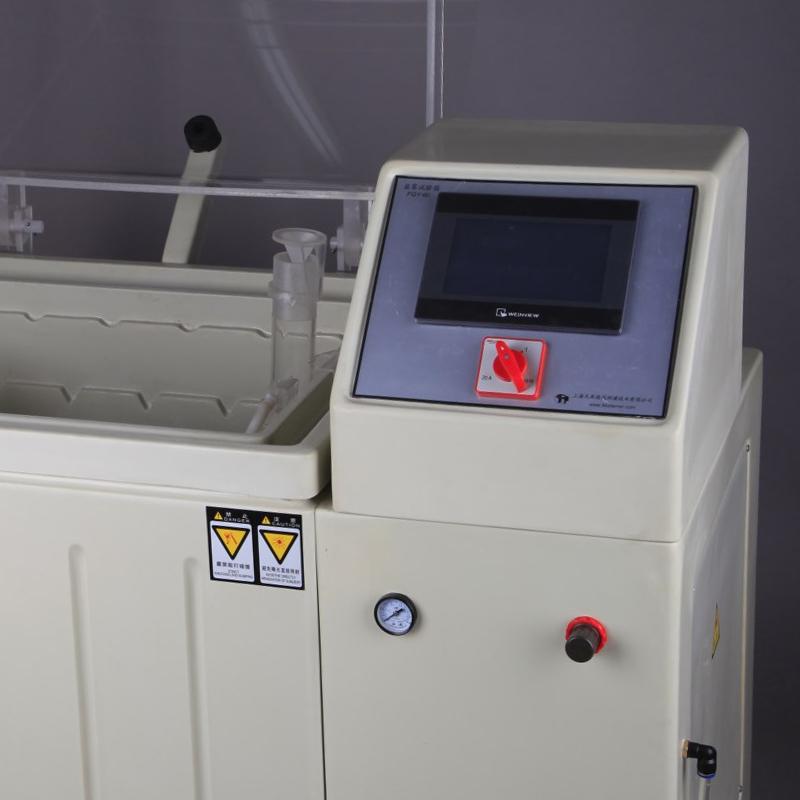
NSS, AASS, and CASS
NSS, AASS and CASS are three common test methods in salt spray test. Their main difference lies in the preparation of test liquid and test conditions, etc., as follows:
NSS test method: NSS is the abbreviation of neutral salt spray test. The test is carried out with neutral salt spray made of 5% NaCl aqueous solution, and the test time is 48 hours. The NSS test method is suitable for testing the corrosion resistance of general metal materials and coatings, such as steel, aluminum, zinc, copper, etc.
AASS test method: AASS is the abbreviation of acetic acid salt spray test. The test is carried out with acetic acid salt spray made of 0.5% acetic acid and 0.26% NaCl aqueous solution, and the test time is 24~48 hours. The AASS test method is suitable for testing the corrosion resistance of coatings and surface treatments, such as electroplating, anodizing, etc.
CASS test method: CASS is the abbreviation of copper-accelerated acetic acid salt spray test. The test is carried out with copper-accelerated acetic acid salt spray made of 0.3% acetic acid and 0.3% NaCl aqueous solution. The test time is 24 to 48 hours. The CASS test method is suitable for testing the corrosion resistance of coatings and surface treatments, such as electroplating, anodic oxidation, etc., and compared with the NSS and AASS test methods, the CASS test method is more accelerated and accurate.
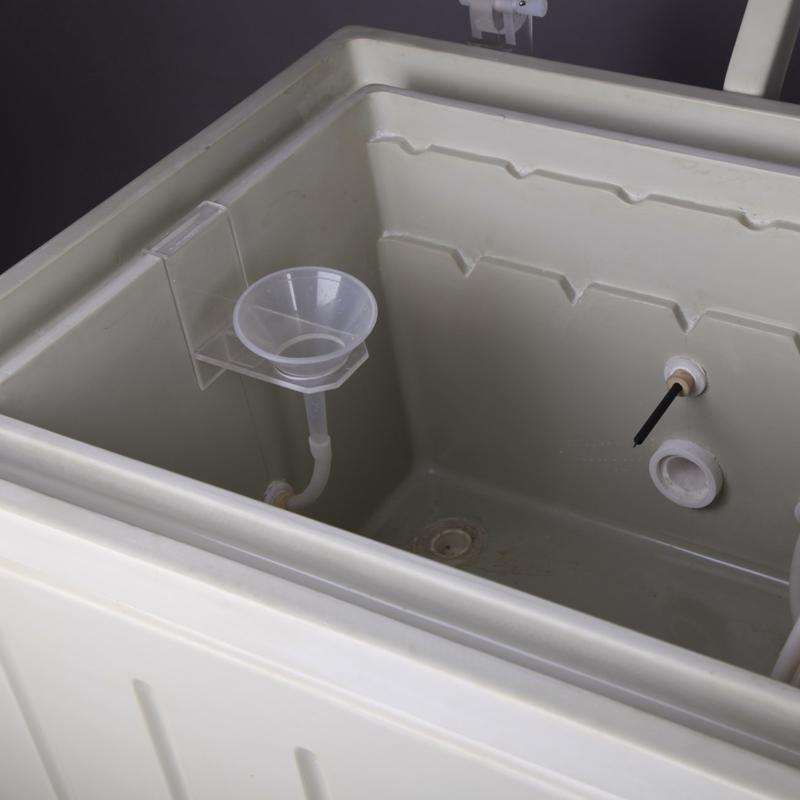
In addition to the preparation of the test solution and the test time, there are some other differences between NSS, AASS and CASS, including the following aspects:
The pH value is different: the salt spray used in the NSS test method is neutral, with a pH value of about 6.57.2; the salt spray used in the AASS test method is acidic, with a pH value of about 3.13.3; and the salt spray used in the CASS test method The mist is neutral with a pH of about 6.5~7.2.
Different test results: Due to the different test liquids, there are certain differences in the test results of the NSS, AASS and CASS test methods. Generally speaking, the CASS test method is more accelerated and accurate, and can detect the corrosion performance and durability of coatings and metal materials faster; while the AASS test method is more rigorous and demanding, which can better simulate the actual environment corrosion in the.
Different test equipment and operation methods: Although the NSS, AASS and CASS test methods are all salt spray tests, there may be differences in their test equipment and operation methods. For example, the CASS test method requires the use of copper accelerator, but NSS and AASS do not; the CASS test method needs to recycle and filter the test salt spray, but NSS and AASS do not have this requirement.
Different scope of application: There are also certain differences in the applicable materials and coating types of NSS, AASS and CASS test methods. Generally speaking, the NSS test method is suitable for testing the corrosion resistance of general metal materials and coatings, such as steel, aluminum, zinc, copper, etc.; the AASS test method is suitable for testing the corrosion resistance of coatings and surface treatments, such as Electroplating, anodic oxidation, etc.; while the CASS test method has a wider range of applications, not only for testing the corrosion resistance of coatings and metal materials, but also for testing the durability and quality evaluation of various chemical treatments and surface treatment methods.
Different economical and environmental protection: Due to the different test liquids, there are certain differences in the economical and environmental protection of NSS, AASS and CASS test methods. Generally speaking, the NSS test method is one of the lowest cost and most widely used salt spray test methods, while the AASS and CASS test methods are more rigorous and precise than NSS, and the test cost and liquid handling cost are correspondingly higher; at the same time , The CASS test method requires the use of copper accelerators, so there may be certain problems in terms of environmental protection.
Different test time: There are also certain differences in the test time of NSS, AASS and CASS test methods. Generally speaking, the test time of NSS test method is 48 hours; the test time of AASS test method is 2448 hours; and the test time of CASS test method is 2448 hours. Due to the difference in test time, there are certain differences in the test results and acceleration effects of the three test methods.
Different simulated environments: NSS, AASS and CASS test methods also have certain differences in simulated environments and corrosion conditions. Generally speaking, the NSS test method mainly simulates the marine environment, snowmelt salt in winter areas, etc.; the AASS test method mainly simulates road salt on the motorway; and the CASS test method mainly simulates environmental conditions such as industrial environment, cooling water, and electronic appliances.
Different detection methods: NSS, AASS and CASS test methods also have certain differences in detection methods. Generally speaking, the detection of NSS test method mainly includes methods such as visual inspection, microscopic inspection, quality evaluation and weight change; the detection of AASS test method mainly includes visual inspection, microscopic inspection, thickness change, color change, red rust and white rust, etc. Detection indicators; while the detection of the CASS test method mainly includes detection indicators such as visual inspection, microscope inspection, thickness change, copper ion deposition and red rust.
Different test temperature: NSS, AASS and CASS test methods also have certain differences in test temperature. Generally speaking, the test temperature of the NSS test method is 35°C; the test temperature of the AASS test method is 50°C; and the test temperature of the CASS test method is 50°C. Due to the different test temperatures, the three test methods also have certain differences in simulating the actual environment and acceleration effects.
Different test apparatus: NSS, AASS and CASS test methods also have certain differences in test apparatus and equipment. Generally speaking, the NSS test method requires the use of independent salt spray Test Chambers or corrosion test cabinets and other equipment; the AASS test method requires the use of special corrosion test cabinets and automatic sprayers; and the CASS test method requires the use of equipment with copper accelerators and Corrosion test cabinets and other equipment for automatic sprayers.
Different test standards: NSS, AASS and CASS test methods also have certain differences in test standards and evaluation methods. Generally speaking, NSS test methods are usually evaluated using ASTM B117 standards; AASS test methods are evaluated using ASTM B368 standards or JIS H 8502 standards; and CASS test methods are evaluated using ISO 9227 standards.
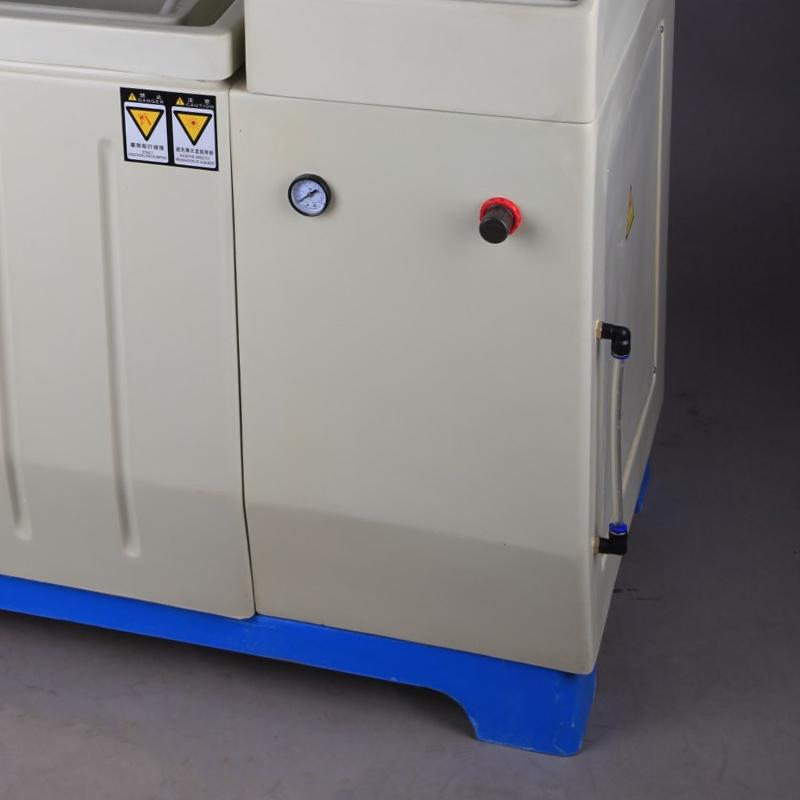
To sum up, NSS, AASS and CASS test methods are all common methods in salt spray test, and their main differences lie in the preparation of test solution and test time. According to different test purposes and application requirements, it is necessary to select appropriate test methods and standards, and conduct tests in strict accordance with the prescribed operating procedures to obtain accurate and reliable test results. In addition to the preparation of test solution and test time, there are other differences among NSS, AASS and CASS test methods, including test results, pH value, test equipment and operation methods. When selecting a suitable test method, it is necessary to comprehensively consider these factors according to the specific test needs and application requirements, and select a suitable test method and standard to avoid too much interference on the accuracy and reliability of the test results. Different test methods may use different standards and evaluation methods for testing and evaluation. It is necessary to select appropriate standards and methods according to specific testing needs and application requirements, and conduct testing and evaluation in strict accordance with the prescribed operating procedures. At the same time, when conducting the salt spray test, it is also necessary to pay attention to the control and adjustment of the test conditions and test environment, so as not to cause too much interference to the accuracy and reliability of the test results. There are certain differences among NSS, AASS and CASS test methods in terms of test time, simulated environment and acceleration effects, etc., but these differences do not mean that one method is better or worse than others. When selecting a test method, it is necessary to select a more appropriate method according to actual needs and specific conditions, and conduct the test strictly in accordance with the prescribed test standards and operating procedures, so as not to cause too much interference to the accuracy and reliability of the test results.
- 1Working Principle and Application Analysis of Ceiling Salt Spray Tester
- 2Principle, significance and method of salt spray test
- 3Salt spray test NSS, ACSS, CASS difference
- 4Salt Spray Tester in salt spray testing
- 5Hardware salt spray test method
- 6Cyclic corrosion test and its test procedures
- 7How Salt Spray Tests Improve the Quality of Metal Plating and Coatings
- 8How does the surface coating prevent corrosion?
- 9What surface treatment should be done for aluminum before salt spray test?