Constant temperature and humidity alternating Test Chamber FAQ and its solutions
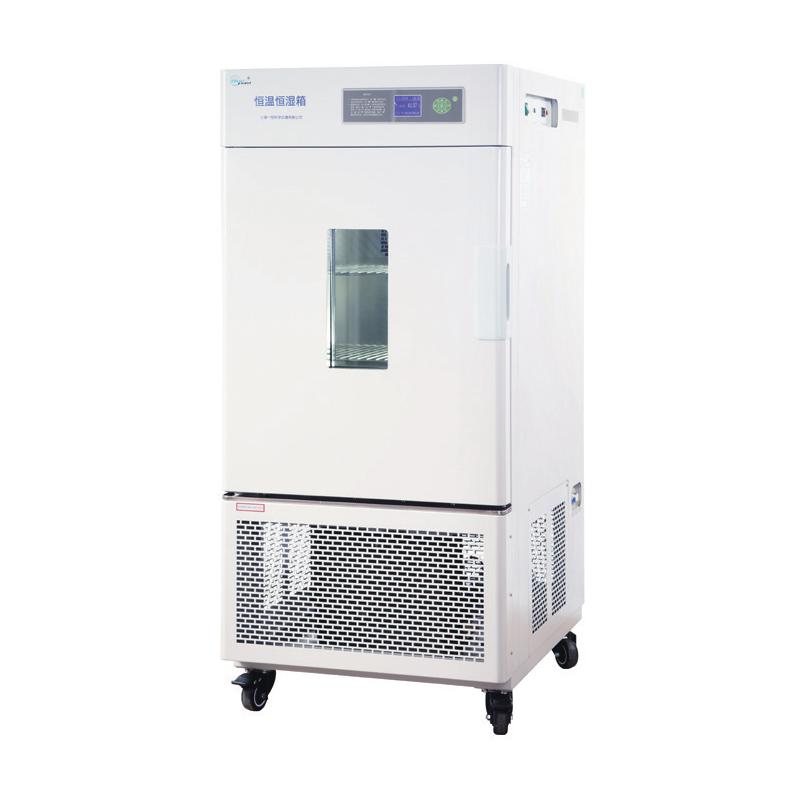
The constant temperature and humidity alternating Test Chamber is an experimental equipment that can simulate the durability and stability of items in different environments. It can alternately carry out simulation tests in different environments such as high temperature and high humidity, low temperature and low humidity under the set temperature and humidity conditions, so as to test the performance and durability of items in different environments.
common problem
Inaccurate temperature or humidity readings.
Unstable temperature or humidity.
The device is heating or cooling unevenly.
The device is leaking or the Water Tank is insufficient.
An error occurred in program operation.
Solution
Temperature or humidity calibration: place the thermometer or hygrometer in a constant temperature and humidity alternating Test Chamber, and set the Test Chamber to a known humidity or temperature. After waiting a period of time, compare the thermometer or hygrometer reading with the temperature or humidity reading displayed by the Test Chamber. If there is a difference, a calibration adjustment is required. Calibration can be done by adjusting the temperature or humidity calibration parameters in the controller.
Equipment uniformity calibration: Place several thermometers or hygrometers inside the Test Chamber, and set the Test Chamber to a known humidity or temperature. After waiting for a period of time, compare whether the readings of each metering point are consistent. If there is a difference, a uniformity calibration adjustment is required. This can be done by adjusting how and where the heating, cooling and fans work, and by adjusting the position of items inside the Test Chamber.
Equipment Water Tank capacity calibration: fill the Water Tank in the Test Chamber with water, and record the water capacity. Then set the Test Chamber to a certain humidity or temperature, after measuring for a period of time, pour out the Water Tank and record the remaining water capacity. Subtract the previously recorded water capacity from the remaining water capacity to obtain the amount of water used by the Test Chamber at that humidity or temperature. If the amount of water used is inconsistent with the capacity in the specification, a Water Tank capacity calibration adjustment is required. It can be calibrated by adjusting the Water Tank capacity parameter in the controller.
North and South Chao reminds you: The constant temperature and humidity alternating Test Chamber needs to be calibrated and maintained regularly. At the same time, it is necessary to regularly clean the interior of the equipment, check the performance and condition of heating, cooling, control, sensors and other equipment, and replace or repair problematic parts in time. In addition, it is recommended to carry out maintenance according to the operation manual of the equipment and the maintenance instructions provided by the manufacturer to ensure the long-term stable operation of the equipment.
Precautions
In the process , the following points should also be paid attention to:
Reasonably arrange the placement of samples to ensure that the samples can be subjected to uniform temperature and humidity distribution.
Do not accumulate too much sundries or samples inside the Test Chamber to avoid affecting the operation of the equipment and the accuracy of the data.
According to actual needs, reasonably select the temperature or humidity range and accuracy of the Test Chamber to avoid inaccurate test data due to mismatching equipment parameters.
Before testing, it is best to preheat or precool the equipment to ensure that the equipment can reach the required temperature and humidity conditions.
During the use of the equipment, the humidity and temperature changes and test data are recorded in time, and analyzed and processed as needed.
In short, the constant temperature and humidity alternating Test Chamber is a commonly used environmental simulation test equipment, but it is necessary to pay attention to the use and maintenance of the equipment during use to ensure the stability of the equipment and the accuracy of the test data.