Varnish glossiness performance
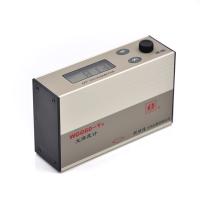
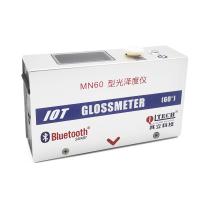
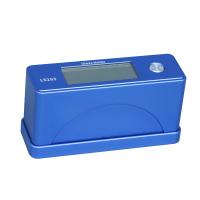
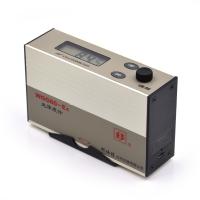
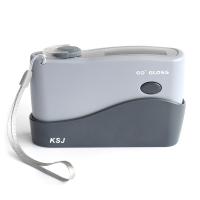
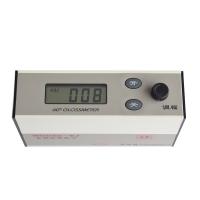
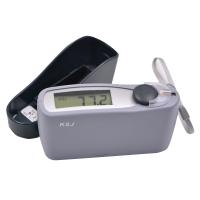
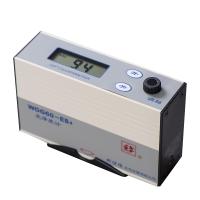
In the paint construction, the varnish regains its original brightness (gloss) after being polished, which is called the "reflective" property of the varnish. (Related instrument: gloss meter)
The restoration of gloss may be global (over the entire surface) or partial (the surface remains largely matte and the gloss is restored only in individual parts of the surface), and in both cases this should be considered Varnish is substandard.
If after polishing, the gloss does not change at all within the time limit specified in the technical conditions, the varnish can be considered qualified.
The point of varnish (or enamel) to restore the gloss properties is dry. When removing the next layer of varnish, the paint layer will be more solid if applied to a matte surface than to a glossy surface, because the result of beating is that many Hardly visible scratches are deposited on the varnish surface, and the next layer of varnish (or enamel) can penetrate into the scratches. The result of one layer of varnish penetrating into another layer of varnish strengthens its mutual cohesion.
The reason why the polished varnish regains its luster has not been clarified recently. The "reflective" performance of the varnish may be due to the excessive oil content in the paint and the lack of resin. Result of premature sanding on varnish.
For example, No. 1 and No. 4 oil-based varnishes should not regain their gloss within 24 hours after sanding.



- 1Principle and Application of Glossiness Tester
- 2Working Principle and Application of Metal Gloss Meter
- 3Basic principle and application analysis of insulating paint gloss Detector
- 4Working principle and application analysis of film Glossmeter
- 5Principle and application analysis of microporous gloss meter
- 6 FZ/T 01097 Analysis of fabric gloss test method
- 7Evaluation and Application of Optical Properties of Powder coatings
- 8Coating coatings - Determination of surface gloss and Gloss meter
- 9The Importance and Method of Gloss Measurement of Paint Film