How is Varnish polishing determined?
The polishing of the varnish film is not only to achieve a certain aesthetic effect, but also to increase the durability of the paint film.
Dust, moisture and gas are less likely to adhere to the polished surface, and the polished surface can better reflect sunlight that can damage the paint film.
The degree of ease of polishing and the brightness achieved after polishing depend on the performance of the paint film and the material used for polishing.
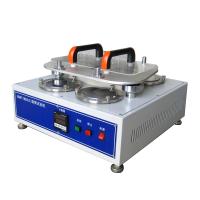
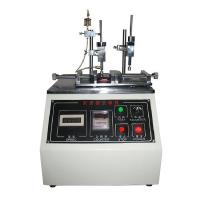
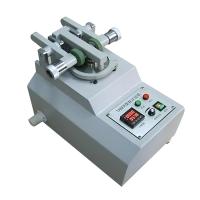
The polishing of the oil-based varnish film is carried out with fine balls of fumigated alcohol or ethanol. In addition, 2 to 3 drops of raw linseed oil should be poured on the cotton balls. The cotton balls are cotton balls wrapped with gauze. To buff the surface, lightly press the ball moistened with a small amount of alcohol on the surface to be buffed in a circular motion, the alcohol will damage the paint film if buffing is done on any part of the surface for longer than the time indicated. (Related instruments: Abrasion Tester)
The varnish is acceptable if the sample has the same gloss after polishing as the standard panel. It is considered qualified; the polishing time of the sample shall not exceed the polishing time of the standard plate.
When testing lacquer and lacquer, use pre-tested polishing book and polishing liquid instead of alcohol, and wipe the surface with a clean cotton standard after polishing. According to the provisions of 0CT1 0086-39 test method 27 , No. 289 grinding group book and grinding liquid were used in the test.
The same method can also be used to test the polishing performance of the polishing book and the polishing liquid, but in this case, the tested polishing book needs to be removed by cat-based varnish or nitro enamel with good polishing performance. superior.
In order to measure the polishing performance of the polishing paste, it is also possible to borrow various instruments for polishing by rubbing coal on one surface and another surface.
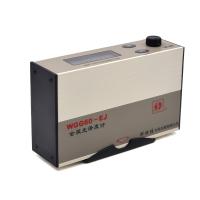
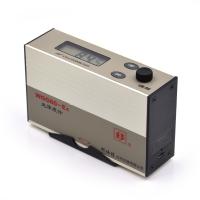
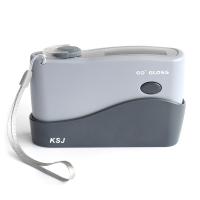
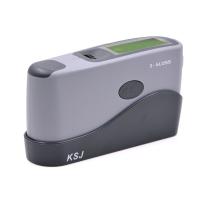
Using various instruments for measuring gloss (as described below) can measure the cancer light result (brightness) without using the inner limit. (Related instrument: gloss meter)
The roughness of the coating film can be checked by cross-sectional curve diagram. When using a brush to brush the aviation enamel paint on the surface, the peaks of the brush will be left to form hillocks with a height of 16~18µ. When using a paint sprayer When spraying this enamel, its roughness is equal to 6~8µ.
When spraying glossy nitro enamel with a paint sprayer, its roughness is 4~5 µ. After polishing with pumice stone, its roughness is equal to 2~3 µ, and after polishing, its roughness becomes no greater than 1 µ. .

- 1Working principle and application of UV coating Cupping testing device
- 2Application of shakeout Tester in organic polymer film abrasion resistance testing
- 3Application of shakeout Tester in aluminum surface coating abrasion resistance testing
- 4Paint film abrasion resistance and test method thereof
- 5Polyethylene (PE) coating indentation hardness inspection and its importance in pipeline corrosion protection
- 6Paint film abrasion resistance and its test method - rubber abrasive wheels method
- 7Determination of abrasion resistance of paint film
- 8Determination method of paint film abrasion resistance and its importance
- 9Coating performance testing: the key to ensuring quality coatings