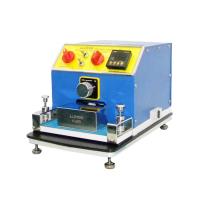
Coating key performance and detection method summary
Fluorocarbon coating is a kind of high-performance coating. Its main components are fluororesin and carbon pigment, and it has excellent characteristics such as weather resistance, chemical corrosion resistance and abrasion resistance. Fluorocarbon coatings are suitable for surface coating of various buildings, industrial facilities, vehicles, etc., such as airport terminals, large industrial equipment, automobiles, aircraft, etc., and can provide excellent anti-corrosion, anti-rust, anti-pollution effects, etc., and have a long service life and maintenance cycle.
Detection performance and equipment
| Performance name | Equipment used |
|---|---|
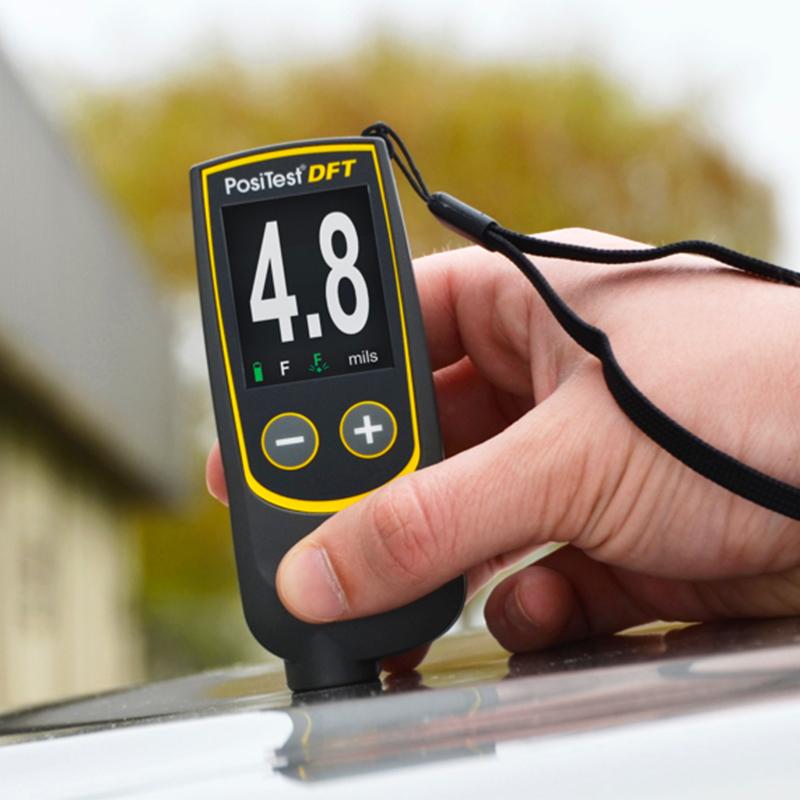
| film thickness | Coating Thickness Gauge |
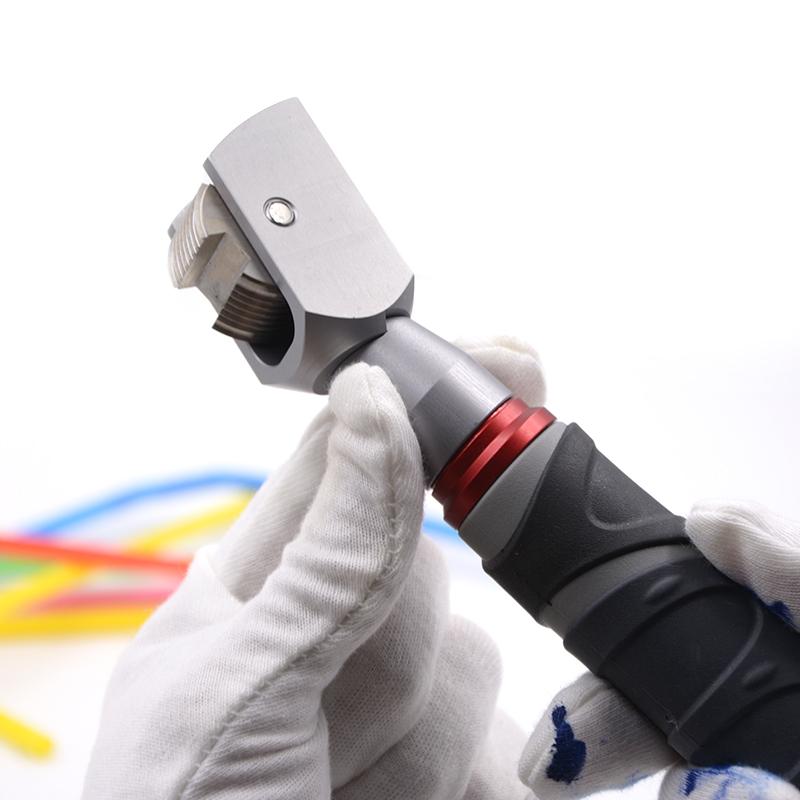
| Adhesion | Adhesion Tester |
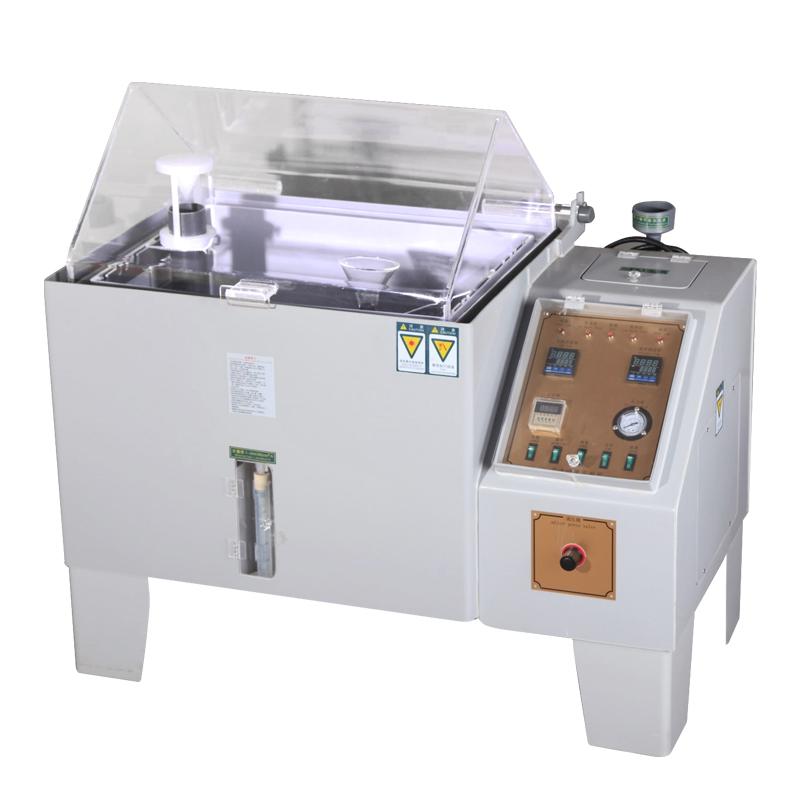
| Salt spray corrosion resistance | Salt spray Test Chamber |
| Chemical resistance | Chemical Resistance Test Chamber |
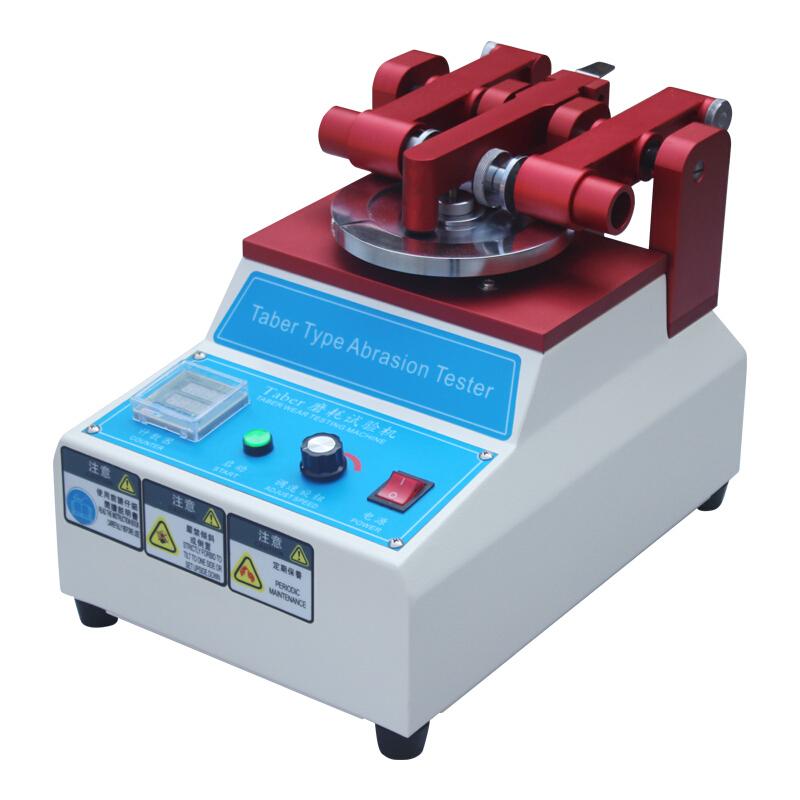
| wear resistance | Abrasion testing machine |
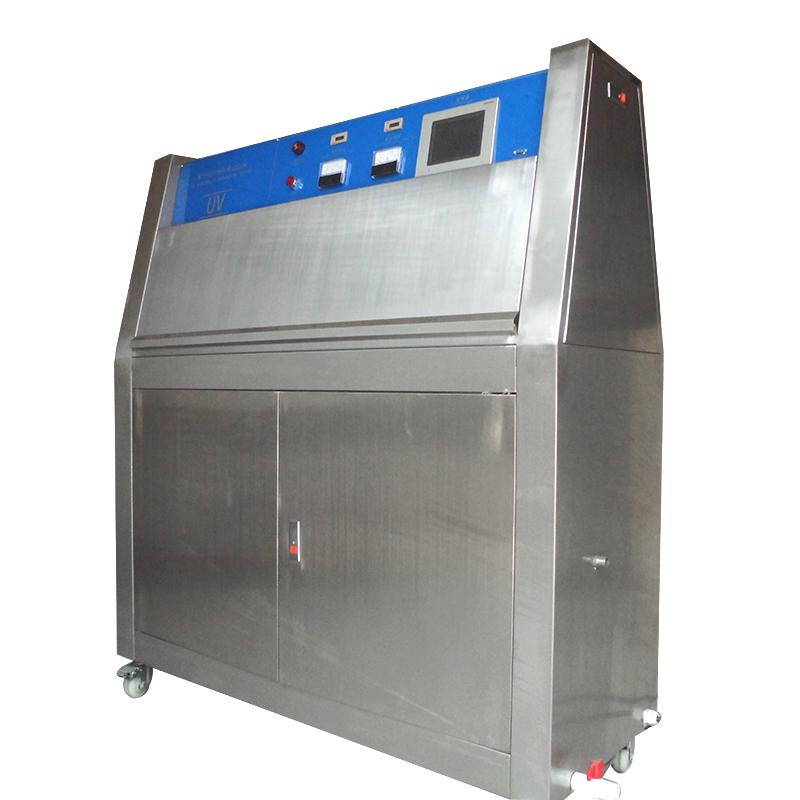
| UV resistance | UV accelerated aging Test Chamber |
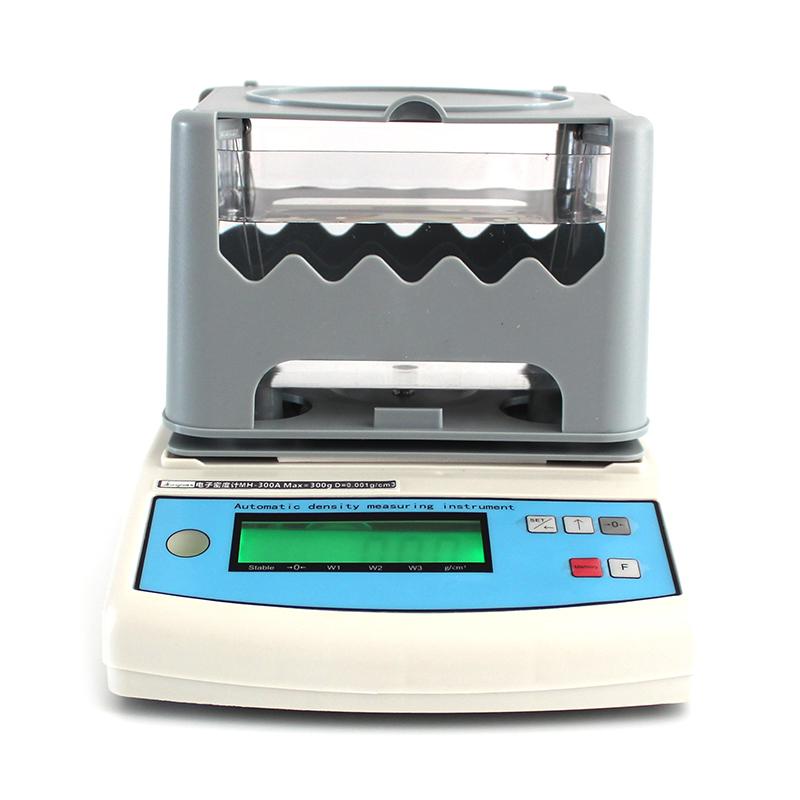
| density | Density meter |
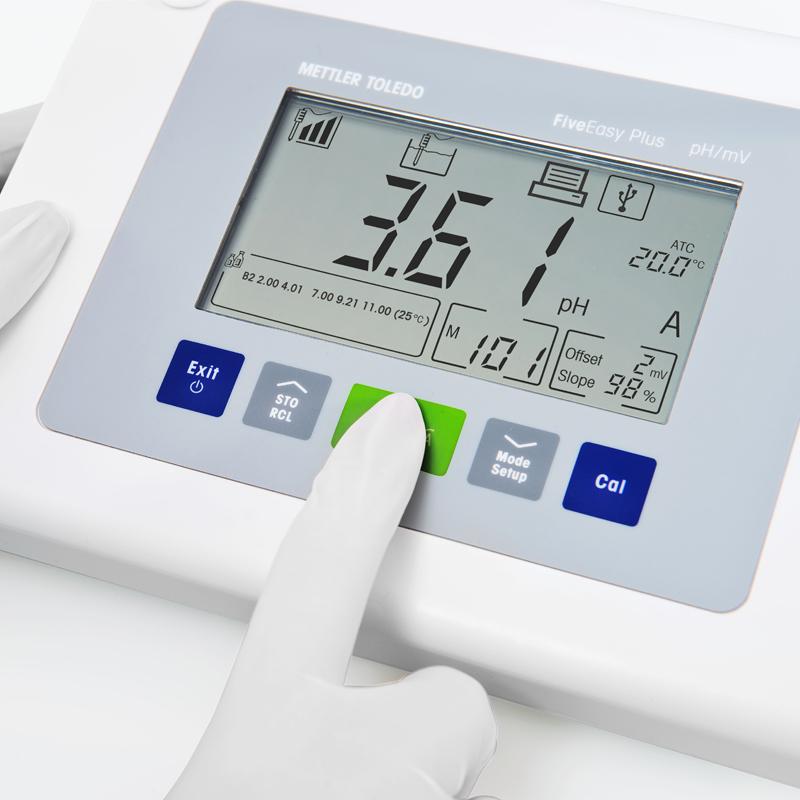
| pH value | pH meter |
Detection steps
The following are the corresponding detection steps:
Film thickness:
Clean the coating surface;
The film thickness of the coating was measured using a Film Thickness Gauge.
Adhesion:
scratch a straight line on the coating surface;
Use an adhesion Tester to measure the adhesion of the coated surface.
Salt spray corrosion resistance:
scratch a straight line on the coating surface;
Place the coating sample in a salt spray Test Chamber for salt spray corrosion test;
Observe the changes in the coating sample, such as corrosion, peeling, discoloration, etc.
Chemical resistance performance:
Place the coating sample in a chemical resistance test box and expose it to chemical reagents;
Observe the changes in the coated samples and use a microscope to observe their surface topography.
Wear resistance:
Place the coated sample in the abrasion Tester;
A wear test was performed to observe the wear of the coated samples.
UV resistance:
Place the coating sample in the UV accelerated aging test box;
A UV aging test was carried out to observe the changes of the coated samples.
density:
Place the paint sample in the density meter;
Measure the density of a paint sample.
pH value:
Place the paint sample in the pH meter;
Measure the pH of the paint sample.
For each test, the specific steps will be different, and you need to refer to the corresponding test standards or methods. Commonly used standards or methods include: ASTM, ISO, GB/T, etc. During the detection process, attention should be paid to the accuracy and repeatability of the instrument, as well as the source and storage method of the sample.