Application of Constant Temperature and Humidity Chamber in Lithium Battery
Lithium battery is an important energy storage device, and its safety and reliability are of paramount importance. Damp heat test is a method of safety testing for lithium batteries. Its purpose is to evaluate the safety performance of lithium batteries in high temperature and high humidity environment, so as to test the durability and reliability of lithium batteries.
In the damp heat test, the lithium battery will be placed in a high temperature and high humidity environment, usually at 85°C and 85% relative humidity, to simulate extreme usage conditions. Under this condition, if the lithium battery does not fail, it shows that it has high safety and reliability and can be used in a wider range of applications.
In the damp heat test, various performance parameters of lithium batteries are tested and evaluated, such as battery capacity, internal resistance, cycle life, discharge rate, self-discharge rate, etc. Changes in these parameters can help evaluate the stability and durability of lithium batteries in hot and humid environments.
Testing equipment
The following instruments and equipment are required to perform the damp heat test:
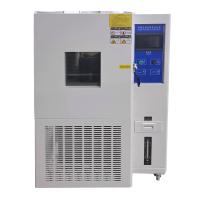
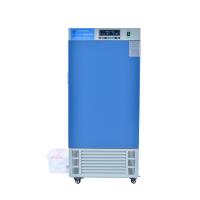
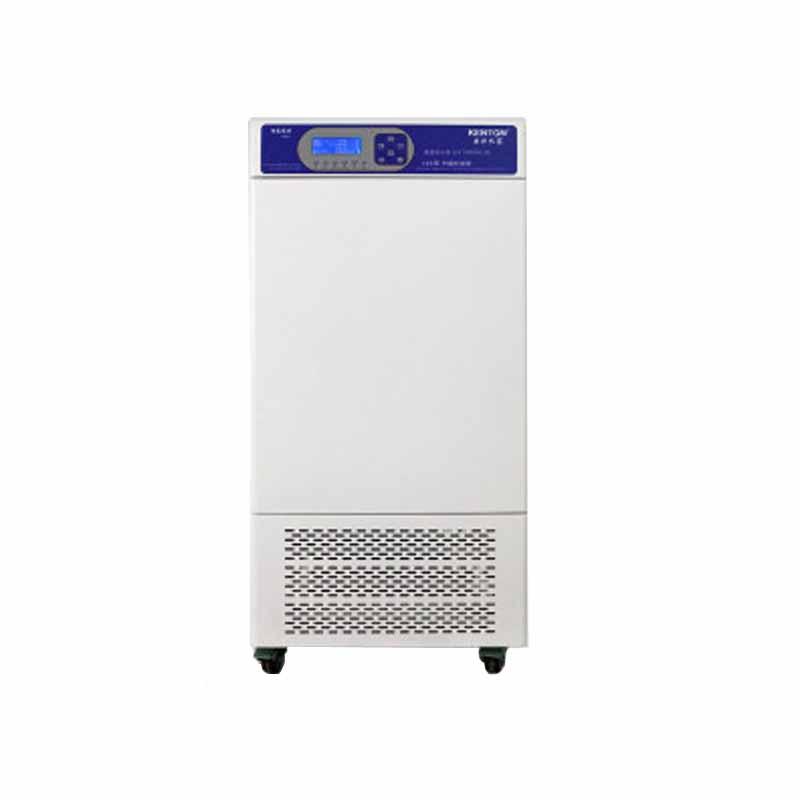
Humidity Chamber: Used to test batteries in high temperature and high humidity environment.
Battery test system: used to test performance parameters such as battery capacity, internal resistance, cycle life, discharge rate, self-discharge rate, etc.
Data logger: used to record the changes of various parameters during the battery test.
test steps
The following are the general damp heat test test steps:
Prepare samples: select lithium batteries that meet the specifications as samples, and mark and record according to the test requirements.
Place the sample in a humid heat chamber: place the sample in a humid heat chamber under pre-set temperature and humidity conditions.
Test battery performance: Test and record parameters such as capacity, internal resistance, cycle life, discharge rate, and self-discharge rate of lithium batteries through the battery test system.
Continuous observation: Place the sample in a humid heat box for a certain period of time, and continuously observe the changes in the performance parameters of the battery.
Result analysis: analyze the performance of the sample according to the test results, and evaluate the stability and durability of the battery in a hot and humid environment.
Beichao reminds you: damp heat test should be conducted under the guidance of professionals to ensure the safety and reliability of the test process. At the same time, relevant safety operating procedures should also be followed to avoid harm to the environment and personnel.

- 1GB/T 10586-2006 Detailed explanation: Core technical indicators and acceptance specifications for damp heat Test Chamber
- 2Constant Temperature and Humidity Chamber
- 3Humidity cabinet test equipment
- 4Principle and Application of Constant Temperature and Humidity Chamber Biochemical Incubator
- 5Damp heat testing chamber and low-Temperature Test Chamber
- 6Principle Characteristics and Application of New material Constant Temperature and Humidity Chamber
- 7The working principle of the three major systems of Humidity Chamber
- 8What are the Dehumidification modes in the Humidity Chamber?
- 9Humidity chamber FAQ and its solution