What is Ammonia Toxic Gas detection alarm?
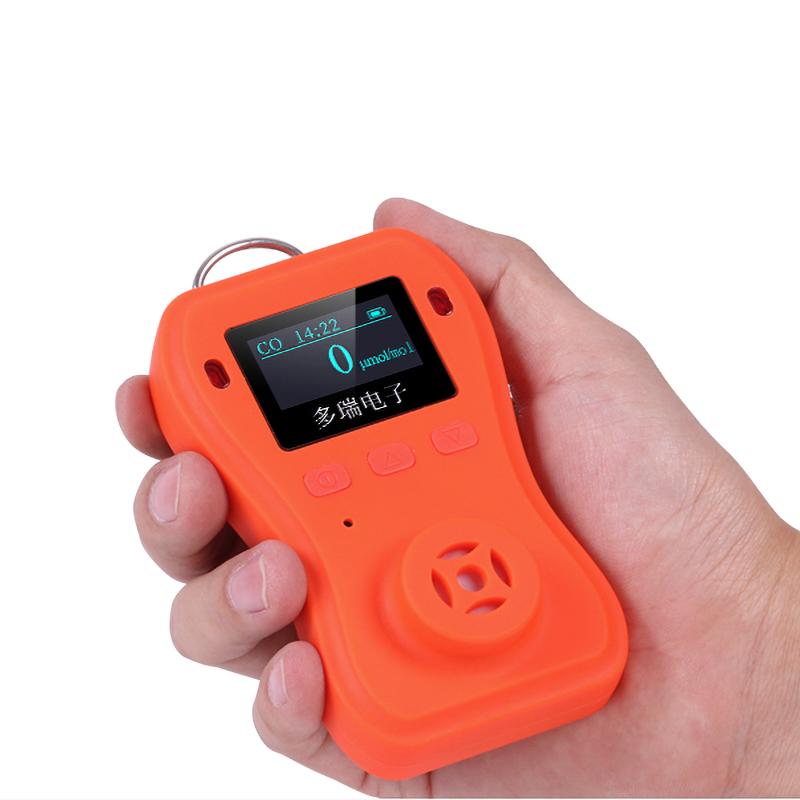
Ammonia toxic gas detection alarm is a device used to detect the concentration of ammonia (NH3) in the air. It measures the concentration of ammonia in the indoor air through sensors based on the toxicity of ammonia gas, and triggers an alarm when it exceeds a set threshold to remind people to take corresponding measures.
Working principle
Ammonia toxic gas detection alarms usually use electrochemical sensors, semiconductor sensors or infrared sensors to detect the concentration of ammonia gas. The sensor chemically reacts or absorbs light with ammonia gas, generating an electrical or optical signal. The sensor measures and analyzes the strength of this electrical or optical signal, and determines the concentration of ammonia gas in indoor air according to the measurement results. Once the ammonia concentration exceeds the set threshold, the alarm will issue an alarm signal such as sound, light or vibration.
Application field
Ammonia toxic gas detection alarms are widely used in the following fields:
Agriculture and animal husbandry: used to monitor ammonia concentrations in livestock farms, crop storage warehouses, and other places to ensure the health of animals and crops.
Chemical plants and manufacturing: Used to monitor ammonia leaks in chemical plants, manufacturing plants, and other locations to ensure the health and safety of workers.
Refrigeration and refrigeration environments: Used to monitor ammonia leakage in refrigeration and refrigeration facilities to ensure the normal operation of the facility and the safety of the working environment.
Laboratories and research institutions: used to monitor ammonia concentrations in laboratories, research institutions, and scientific research sites to ensure safety and accuracy of experimental results.
Wastewater treatment and water treatment: It is used to monitor the concentration of ammonia in wastewater treatment plants and water treatment plants to ensure the safety of the treatment process and the quality of water
General technical parameters
The following are examples of some technical parameters in a sulfur fluoride gas alarm:
| Technical parameters | describe |
|---|---|
| Detection range | Minimum and maximum detection ranges for SF6 gas concentrations in indoor air |
| resolution | The number of decimal places in the measurement result |
| response time | Time from when the SF6 concentration exceeds the threshold to when the alarm is triggered |
| sensitivity | Sensitivity to changes in SF6 concentration |
| Operating temperature range | The temperature range in which the device can operate normally |
- 1How to choose a Gas detection alarm
王进 - 《辽阳市计量测试所》