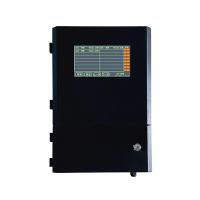
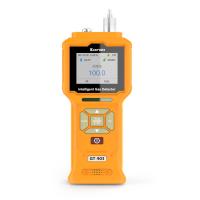
What is a methane combustible gas alarm?
A methane combustible gas alarm is a device used to detect the concentration of methane in the air. Based on the flammability of methane gas, it measures the concentration of methane in indoor air through sensors and triggers an alarm when a set threshold is exceeded to remind people to take corresponding measures.
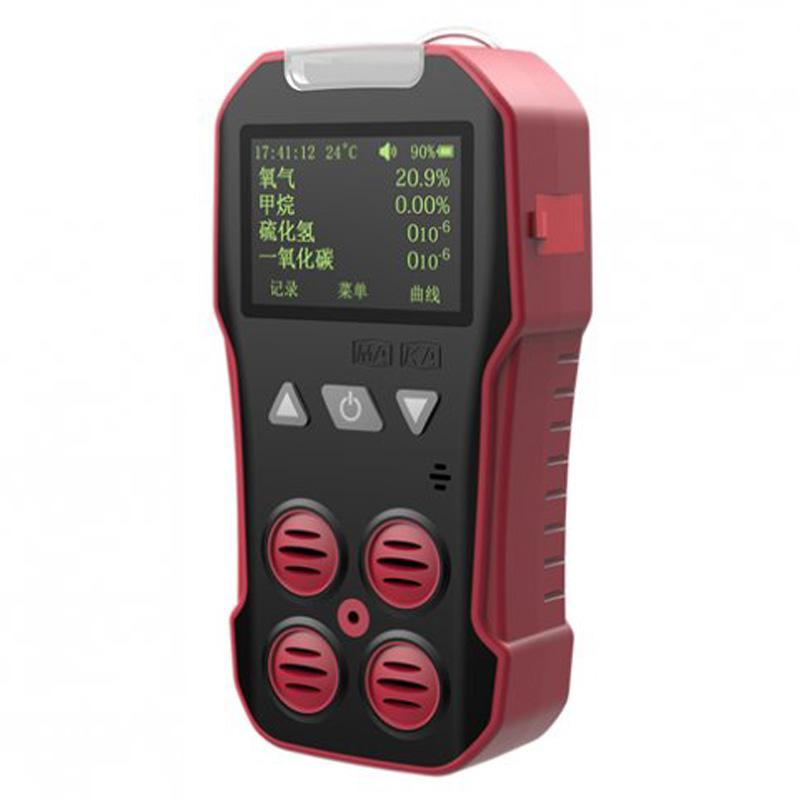
Working principle
Methane combustible gas alarms typically use electrochemical sensors or semiconductor sensors to detect the concentration of methane. The chemical materials in the sensor react chemically with methane to generate an electrical signal. The sensor measures and analyzes this electrical signal and determines the concentration of methane in indoor air based on the measurement results. Once the concentration of methane exceeds a set threshold, the alarm will issue an alarm signal such as sound, light or vibration.
Application field
Methane combustible gas alarms are widely used in the following fields:
Oil and gas industry: Used to monitor methane leaks during oil and gas extraction, transportation, and storage to prevent fires and explosions.
Industrial sites: Used to monitor methane leaks in chemical plants, processing plants, manufacturing plants, and other industrial sites to ensure the safety of workers.
Mining industry: used to monitor methane gas in coal mines, metal mines and other mining sites to prevent mine accidents.
Construction and renovation industry: It is used to monitor methane leaks during building construction, renovation, and maintenance to ensure the safety of construction personnel and residents.
Household and commercial premises: Used to monitor natural gas leaks in homes and commercial premises to ensure indoor safety and prevent fires.
General technical parameters
Here are some examples of parameters in a methane combustible gas alarm:
| Technical parameters | describe |
|---|---|
| sensitivity | Sensitivity to changes in methane concentration |
| Operating temperature range | The temperature range in which the device can operate normally |
| power supply | The type of power supply and voltage required for the device |
| alarm method | Alarm methods such as sound, light or vibration after the alarm is triggered |
| Maintenance requirements | Equipment maintenance and calibration requirements |