Application and related standards of ultraviolet aging test box in ceramics
Ceramics generally do not need to be subjected to UV aging tests, because ceramic materials themselves have better weather resistance and durability. Compared to other materials such as plastics, paints, etc., ceramics are less sensitive to UV light and less susceptible to UV radiation. Ceramics generally have high chemical and thermal stability and can maintain their performance and appearance for a long time under various environmental conditions.
However, in special application cases, such as ceramic coatings or special ceramic materials (such as glazes, etc.), UV aging tests may be required to evaluate their weather resistance and performance stability. In this case, the UV aging test can simulate the exposure of the ceramic material in the outdoor environment to evaluate its performance such as UV resistance, chemical resistance, abrasion resistance, etc.
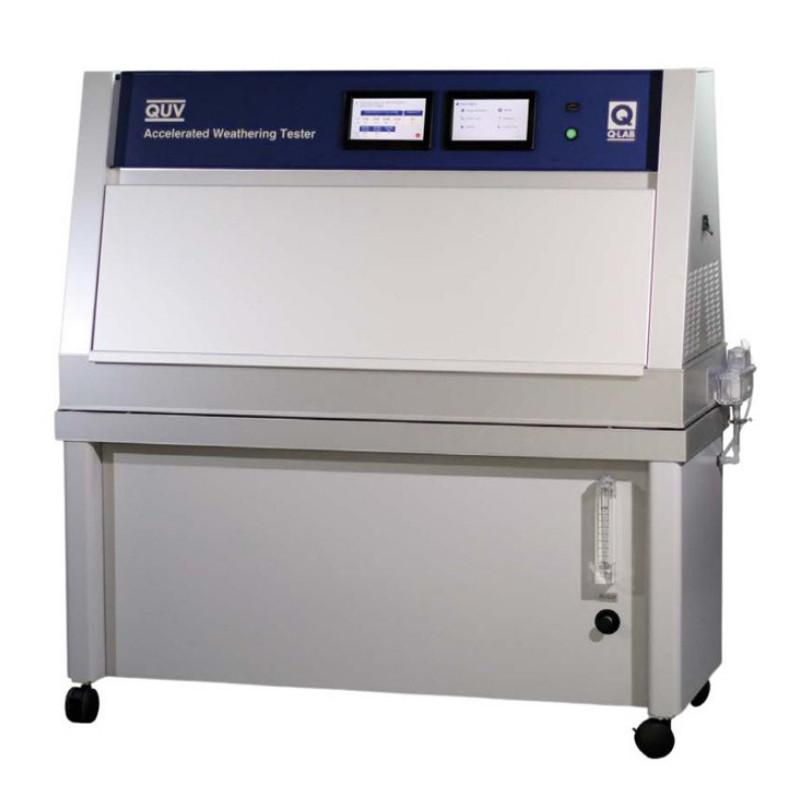
Industry Standard
Standards for ceramics usually cover the material's physical properties, chemical properties, mechanical properties, dimensional requirements, and requirements for specific application areas. Below are some common industry standards and specifications that apply to different types of ceramic materials:
ASTM C242: Standard Specification for Ceramic Tile
ASTM C373: Standard Test Method for Water Resistance of Ceramics and Glass
ISO 10545 Series: International Standards for the Physical and Mechanical Properties of Ceramic Tiles and Ceramic Sheets
ISO 13006: International Standard for product definition, dimensions and tolerances of ceramic and stone tiles
ISO 27447: International standard for wear resistance of ceramic tiles
GB/T 3810.6: Chinese National Standard for Physical and Mechanical Properties of Ceramic Tiles
GB/T 6566: Chinese National Standard for Determination Methods of Radioactive Elements in Ceramic Products
These standards are usually formulated and published by international standards organizations (such as ASTM, ISO) or national standardization institutions (such as the National Standards Committee of CHINA). Specifically, the corresponding standard should be selected according to the type and application field of the ceramic material.
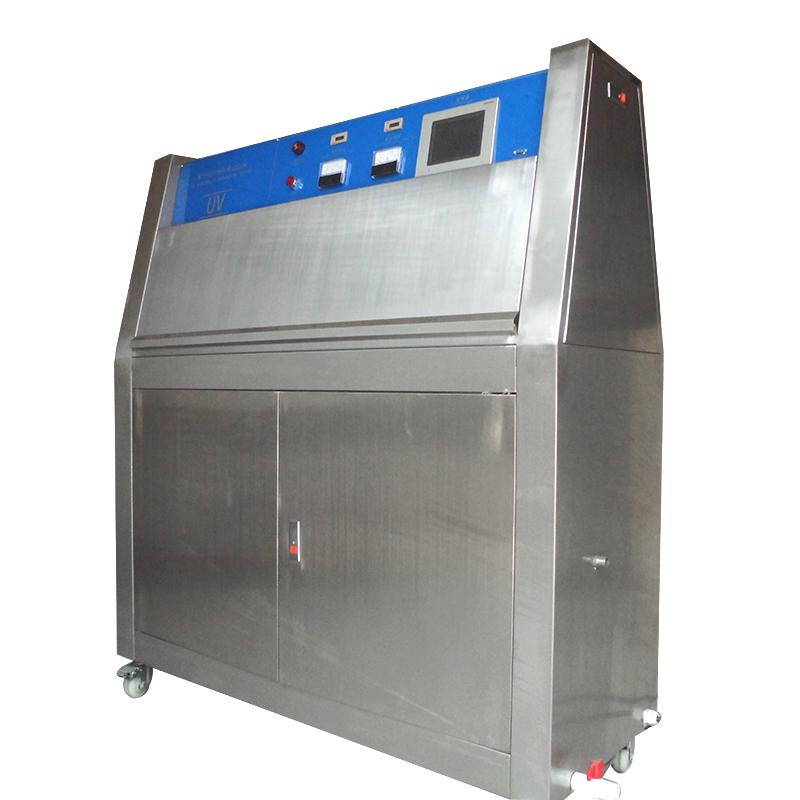
Applications
The following are some specific application examples of ceramics:
Construction field: Ceramic tiles and ceramic plates are widely used for indoor and outdoor decoration and covering of floors, walls, bathrooms, kitchens, etc. Ceramic tiles are abrasion-resistant, water-resistant, and easy to clean, making them ideal for high-traffic areas and humid environments.
Medical Devices: Ceramics are used in the manufacture of medical devices and equipment such as dental restorative materials, artificial bones and joints, dental implants, etc. Ceramics have advantages such as biocompatibility, corrosion resistance and mechanical strength in the medical field.
Electronic field: Ceramic materials are used in the manufacture of electronic components and devices, such as ceramic capacitors, ceramic dielectrics, ceramic insulators, etc. Ceramics have good insulation performance, high temperature resistance and chemical stability in the electronic field.
Environmental protection: Ceramics can be used for environmental governance and pollution control, such as ceramic filter materials and ceramic membranes for water treatment, gas purification and solid waste treatment.
Art and Decoration: As an art and decoration material, ceramics are used to make pottery, ceramic sculptures, ceramic vessels, tile murals, etc.
Ceramic Coatings: Ceramic coatings are applied to metal, plastic, or other substrates to provide properties such as wear resistance, corrosion resistance, thermal conductivity, or insulation. For example, ceramic coatings are used in automotive engine parts, cutting tools, stoves, etc.
These application cases are only a small part of the application fields of ceramics, and the actual application can be customized and expanded according to different industries and needs. As a multifunctional material, ceramics have broad application prospects.
- 1Application and test of UV aging Test Chamber in silicon oxidation
- 2Application of UV aging Test Chamber in sunscreen clothing
- 3Application and test method of UV aging Test Chamber in Aluminum profile
- 4Application of xenon lamp photoaging Test Chamber in industrial protective coatings
- 5Ultraviolet aging Test Chamber, aging test principle, application, operation and selection problems
- 6Ultraviolet aging Test Chamber selection skills
- 7Five test methods for evaluating coating durability
- 8Test method for yellowing resistance of polyurethane synthetic leather
王学川;周志军;张哲;强涛涛 - 《皮革与化工》
- 9Detailed Explanation of Laboratory Conditioning Test Technology for Polymer Materials
颜景莲 - 《电子世界》