Application and test method of UV accelerated weathering Test Chamber in automotive Glass film
The main purpose of UV aging test for automotive glass film is to evaluate its weather resistance and durability to determine its service life and performance stability in outdoor environments. The UV aging test can simulate the effect of ultraviolet radiation in sunlight on automotive glass film materials.
The effect of ultraviolet rays on automobile glass film
Here are some specific reasons:
Evaluate weather resistance: Automobile glass film is exposed to outdoor environment and will be affected by factors such as ultraviolet rays, high temperature, and humidity changes. The UV aging test can simulate these factors to evaluate the weather resistance performance of the glass film under actual use conditions.
Evaluate performance stability: Ultraviolet radiation will have adverse effects on automotive glass film materials, such as color fading, yellowing, deterioration, etc. Through the UV aging test, the performance stability of the glass film can be evaluated to determine whether it can maintain the required performance during long-term use.
Ensure quality control: By conducting UV aging test, the quality of automotive glass film can be controlled and verified to ensure that the product meets relevant quality standards and specifications.
Guide product improvement and development: Through the results of UV aging test, we can understand the performance change of glass film under ultraviolet radiation, so as to guide product improvement and development to improve its weather resistance and durability.
The UV aging test can provide important information about the durability and stability of automotive glass films in outdoor environments, helping manufacturers and consumers to make informed decisions and ensuring that products can work safely and reliably under various climatic conditions.
Industry Standard
Industry standards for automotive glass films may vary by region and country. The following are some common international and regional standards and specifications that apply to the performance and quality control of automotive glass films:
ISO 9001:2015: International standard for quality management systems, applicable to various industries, including manufacturers of automotive glass films.
ISO 14001:2015: International standard for environmental management systems, applicable to environmental management and sustainable development.
ASTM D1044: Standard test method for scratch resistance of plastic materials, which can be used to evaluate the scratch resistance of automotive glass films.
ANSI/ISEA 105: Standard Specification for Abrasion Resistance of Protective Gloves, part of which (Section 3.21) applies to the Abrasion Resistance Test of Glass Films.
ANSI/SAE Z26.1: A standard for automotive safety glass issued by the American Society of Automotive Engineers (SAE), part of which (Section 5.1) applies to the visible light transmittance requirements of automotive glass films.
In addition, some countries or regions may have specific standards and regulations, such as FMVSS 205 (Federal Motor Vehicle Safety Standard) in the United States and ECE R43 (Economic Commission Regulations in Europe) in Europe, which are applicable to the requirements for visible light transmittance and transparency of automotive glass films.
Specifically, according to the requirements of the region and the target market, select the applicable standards and specifications, and ensure that the products meet the relevant quality and performance requirements. Manufacturers usually refer to applicable national and regional regulations to ensure that their products are legal and compliant in the market.
Specific application cases
The following are some specific application cases of automotive glass film:
UV protection: Automotive glass film can provide ultraviolet (UV) protection to reduce the damage of ultraviolet rays to passengers and interiors in the car. This helps reduce the risk of skin cancer and sunburn, and reduces aging and fading of interior materials.
Privacy Protection: Car glass film can increase the privacy of car windows and prevent others from peeking into the car from the outside. This plays a role in protecting driver and passenger privacy, property security and preventing theft.
Heat control: Transparent high-performance automotive glass film can reduce the entry of solar heat, lower the temperature inside the car, provide a more comfortable driving and riding experience, reduce the load on the air conditioning system, and save fuel.
Glass shatter protection: Safety-type automotive glass film can increase the impact resistance of the glass, reduce the splash of debris caused by accidents, collisions or shattering, and protect drivers and passengers from injury.
Landscaping: Decorative automotive glass films can add a personalized look to vehicles, making them more attractive and unique through designs such as different colors, patterns, and decals.
These application cases are only a small part of the automotive glass film, and the actual application can be more customized and expanded according to different needs and market trends. Automotive glass film has various functions and benefits, which can improve driving and riding comfort, safety and privacy.
operation method
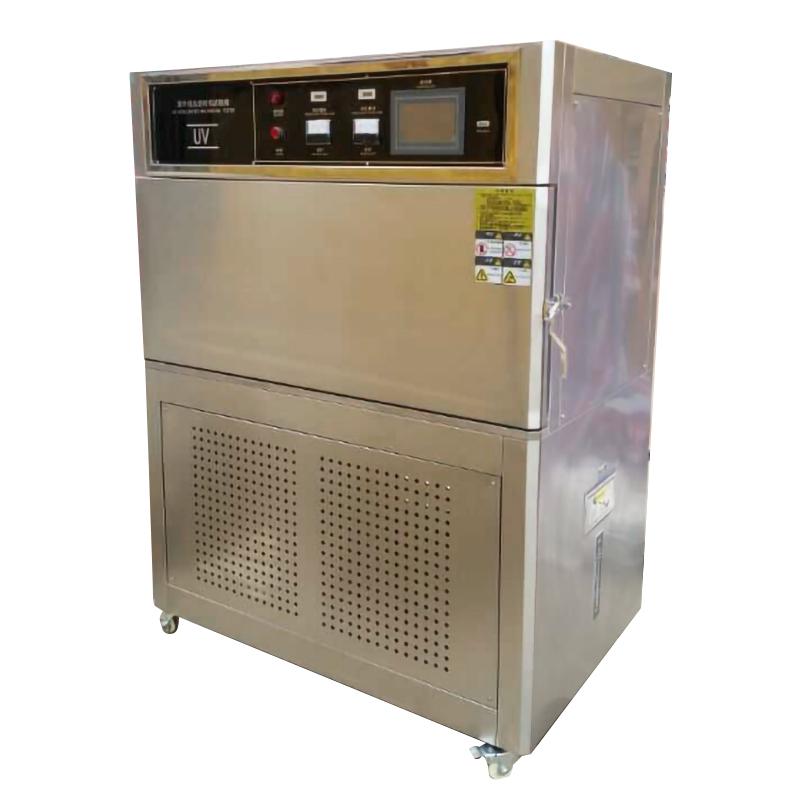
When testing the aging resistance of automotive glass films, the UV aging Test Chamber can be used to simulate ultraviolet radiation in sunlight and other environmental conditions. The following are the steps and precautions for using the UV aging Test Chamber to test the aging resistance of automotive glass film in general:
Sample preparation: According to the standards or requirements, select the appropriate size automotive glass film samples for testing. Ensure that samples comply with relevant specifications and requirements.
Test condition setting: According to the required test conditions and standard requirements, set the parameters of the UV aging Test Chamber, including radiation intensity, temperature, humidity, etc. Pay attention to the correct setting according to the standard or requirement.
Sample placement: Paste the automotive glass film sample on the test plate to ensure that the sample surface is flat, free of bubbles and wrinkles, and avoid mutual interference between samples.
Test run: Start the UV aging Test Chamber, and expose the samples to UV radiation under the set conditions. According to the standard requirements, set the appropriate test time, usually hundreds to thousands of hours.
Periodic observation: Periodically observe the changes of the samples, including color change, fading, yellowing, deterioration, etc. Document any visible changes or damage.
End of Test and Evaluation: After the test is completed, samples are removed for evaluation and testing. The physical and optical properties of the automotive glass film can be tested to determine its aging resistance.
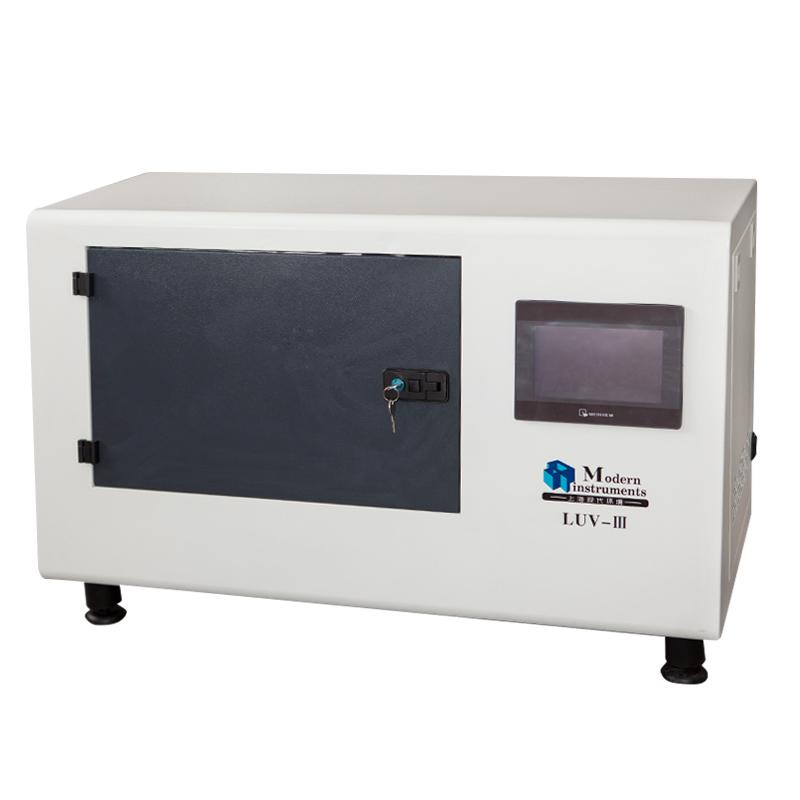
When carrying out UV aging test, the following matters need to be paid attention to:
Make sure that the UV aging Test Chamber equipment is working properly, and operate in accordance with the operation manual and safety requirements.
Check and record the temperature, humidity, radiation intensity and other parameters of the Test Chamber to ensure its stability and accuracy.
Ensure that the selection, preparation and placement of samples comply with standards and requirements.
Regularly inspect and maintain Test Chamber equipment to ensure proper operation and accuracy.
Pay attention to observe and record any changes in the sample during the test for subsequent evaluation and analysis.
Please note that the exact test method and operation steps may vary according to the standard and specific test requirements, so you should carefully read the relevant standard and follow the correct test procedure before conducting the UV aging test.
- 1Principle and application of plastic rope UV aging Test Chamber
- 2The working principle and application of UV aging Test Chamber for die casting aluminum
- 3The basic principle and application of UV aging Test Chamber
- 4Basic principle and application of anode UV aging Test Chamber
- 5The relationship between natural aging and accelerated aging
- 6Artificial climate accelerated weathering test and natural aging conversion
- 7UV aging Test Chamber in solar photovoltaic weathering test
- 8Application of UV aging Test Chamber in drying rack
- 9Application of UV aging Test Chamber in furniture