Application of UV aging box in automobile interior
The purpose of the UV aging test is to evaluate the weather resistance of automotive interior materials and determine their service life and performance under long-term UV radiation and climatic conditions. UV radiation has the following effects on automotive interior materials:
Fading: UV radiation can cause the color of the surface of automotive interior materials to fade or fade.
Durability Decreased: UV radiation reduces the durability of automotive interior materials, making them brittle, cracked or inelastic.
Deformation: Long-term UV radiation can cause deformation of automotive interior materials, such as deformation, warping or twisting of plastic materials.
Reduced wear resistance: UV radiation can reduce the surface hardness of automotive interior materials, thereby affecting their wear resistance.
Reference standard
Industry standards that meet the UV aging test of automotive interior materials mainly include the following:
ISO 4892-2: This standard specifies methods and procedures for UV radiation aging testing of plastic materials under laboratory conditions and is suitable for evaluating the weather resistance of automotive interior materials.
SAE J2412: This is a standard developed by the American Society of Automotive Engineers, which specifies the UV radiation aging test methods and requirements for automotive interior materials.
Specific application cases
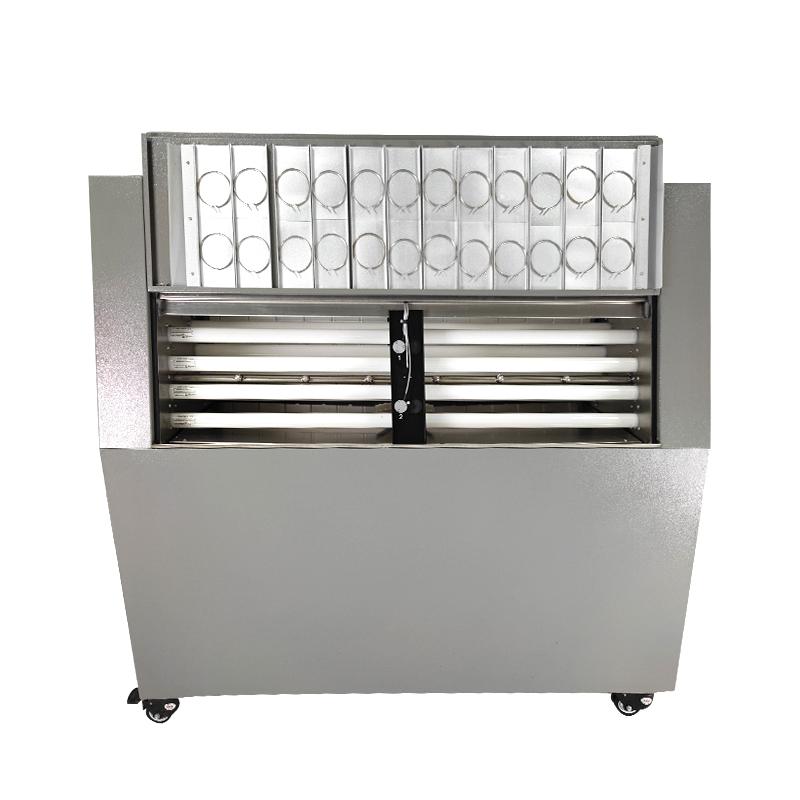
The specific applications of UV aging Test Chambers in automotive interiors are as follows:
Seat Materials: For materials such as fabric, leather, and artificial leather for car seats, UV aging tests can assess color stability and durability.
Dashboard: Automotive dashboards are often exposed to sunlight, and UV aging tests can assess their resistance to fading, cracking and deformation.
Interior Panels: For plastic interior panels and trims, UV aging tests can assess changes in color stability, durability and surface quality.
Test method
Use the UV aging Test Chamber to test the aging resistance of automotive interior materials, generally follow the following steps:
Prepare samples: Prepare samples that meet the requirements according to the characteristics and dimensions of the actual automotive interior materials.
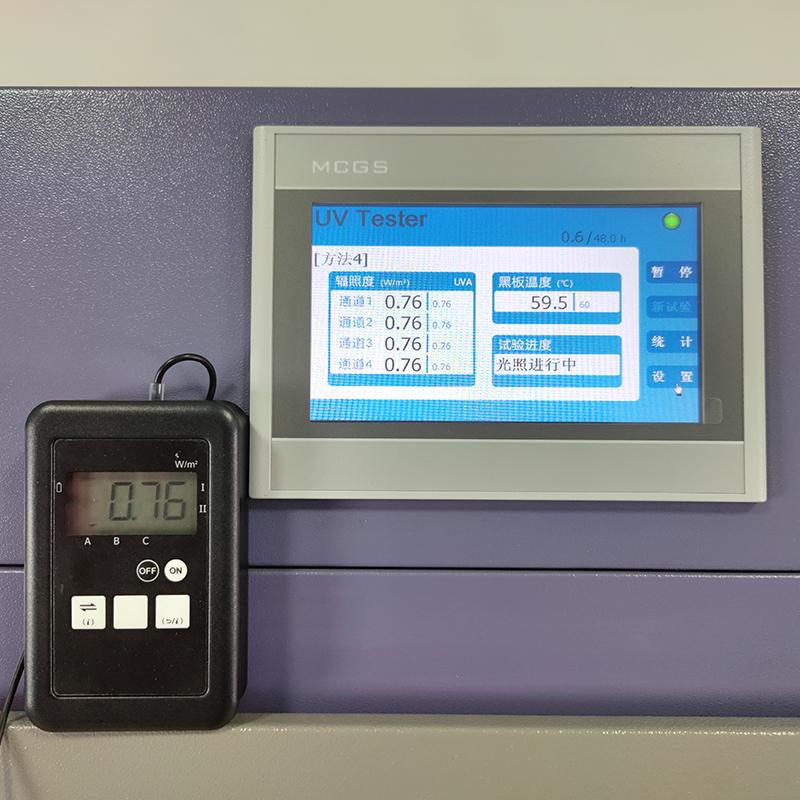
Set test conditions: According to the test requirements or applicable standards, set the test conditions such as ultraviolet radiation intensity, temperature and humidity.
Sample placement: Place the automotive interior material sample on the sample table in the UV aging Test Chamber to ensure that the sample is exposed to a light source of UV radiation.
Running test: According to the set test conditions, the sample is continuously exposed to ultraviolet radiation and other test conditions for a certain period of time.
Observation and Evaluation: Regularly observe and evaluate changes in samples, including color changes, surface conditions, changes in physical properties, etc., and record and record relevant data.
RESULTS ANALYSIS: Assess the aging resistance and expected life of automotive interior materials based on sample changes and performance losses observed during the test.
* Test procedures and parameter settings should be adjusted and confirmed according to test standards, characteristics of automotive interior materials, and actual needs. It is recommended to refer to applicable standards and related equipment instructions before performing UV aging tests to ensure test accuracy and reliability.