What are the Dehumidification modes in the Humidity Chamber?
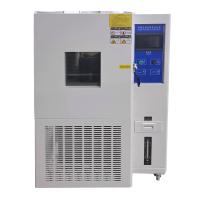
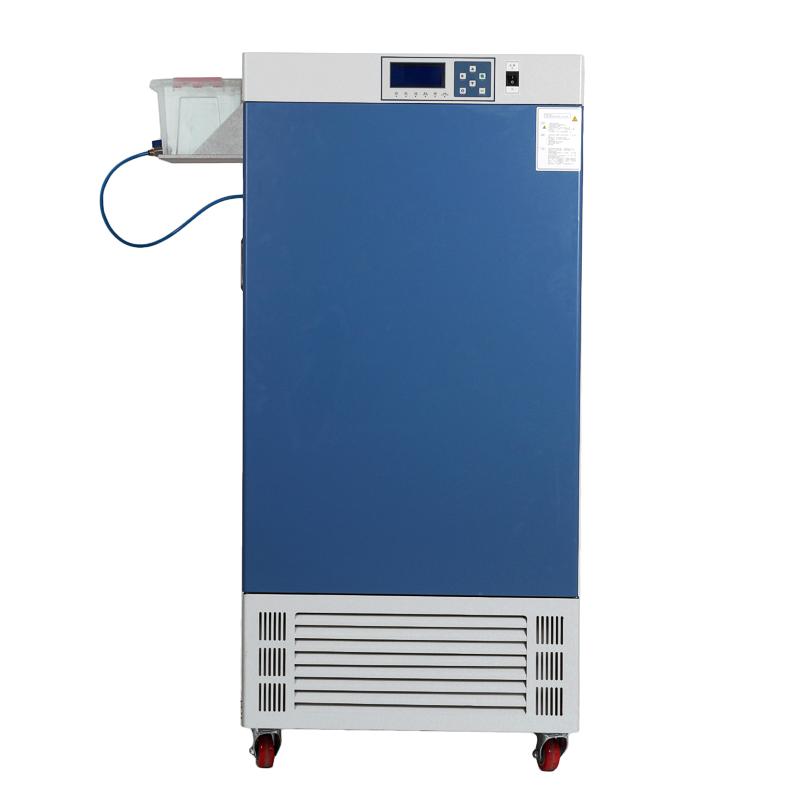 The dehumidification methods of the constant temperature and humidity Test Chamber are usually as follows:
Condensing dehumidification: refrigerant refrigeration is used to form condensed water on the condenser pipe, and the water vapor in the air is condensed into liquid water and discharged.
Adsorption dehumidification: use special hygroscopic materials (such as silica gel, molecular sieve) to absorb water vapor in the air to achieve the purpose of dehumidification. Generally, adsorption dehumidification has better effect, but the hygroscopic material needs to be replaced regularly.
Membrane dehumidification: Use a special dehumidification membrane to separate water vapor, convert moisture into water, and discharge it out of the Test Chamber. Membrane dehumidification has a better effect, but the diaphragm needs to be replaced regularly.
Heat pump dehumidification: Using heat pump technology, water vapor is converted into water and discharged out of the Test Chamber through circulating refrigeration and heating. The heat pump dehumidification effect is stable, but the price is higher.
Different dehumidification methods have their own advantages and disadvantages. When choosing an appropriate dehumidification method, factors such as test requirements, equipment cost, and dehumidification efficiency should be considered.




- 1GB/T 10586-2006 Detailed explanation: Core technical indicators and acceptance specifications for damp heat Test Chamber
- 2Humidity chamber core components dismantling: how to select compressors/Sensors
- 3Inaccurate lab data? 90% of people ignore Test Chamber calibrating issues
- 4Constant Temperature and Humidity Chamber
- 5Chip high-low temperature heat and humidity performance test
- 6Application of Humidity Chamber in building materials and flooring industry
- 7Principle, application and selection of programmable Humidity Chamber for die casting
- 8Humidity Humidity Chamber principle, application and selection
- 9Principle, application and selection of field effect transistor programmable Humidity Chamber