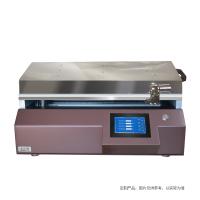
Application of ultraviolet-visible absorption Light spectrum in colloids
Ultraviolet-visible (UV-Vis) absorption spectroscopy has a wide range of applications in colloid science. Colloids are systems between molecules and macroscopic substances, formed by tiny particles (colloidal particles) suspended in a dispersion medium.
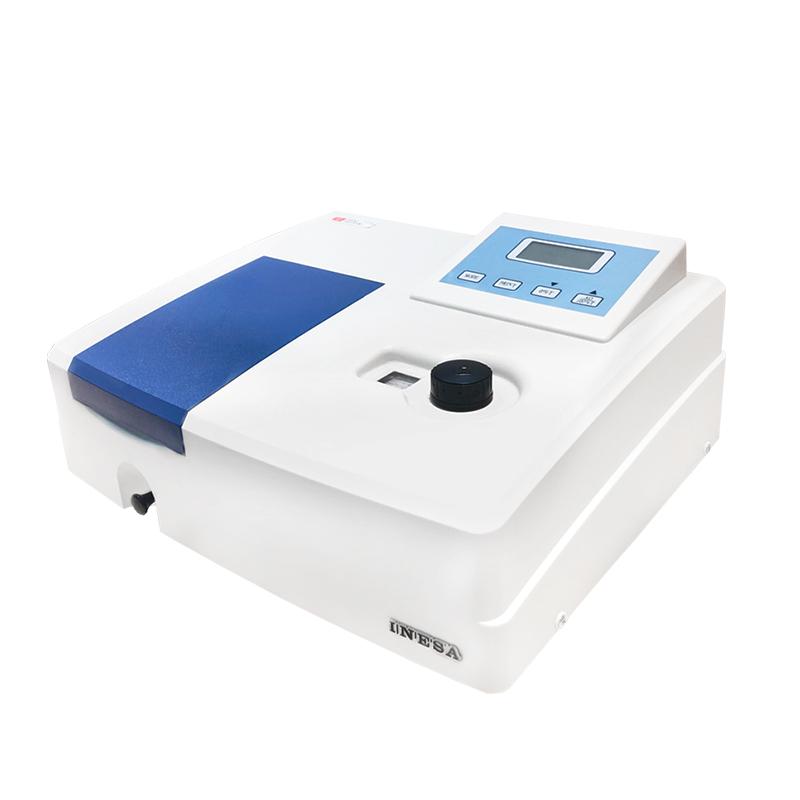
Particle size and morphological characterization: The size, shape and distribution of colloidal particles have an important influence on their optical properties. By measuring the UV-Vis absorption spectrum of colloidal systems, information about the size distribution and shape of particles can be obtained. For example, the average size and morphological changes of particles can be determined by the peak positions and shapes of the absorption spectra.
Concentration measurement of colloidal solutions: UV-Vis absorption spectroscopy can be used to measure the concentration of substances in colloidal solutions. By analyzing the relationship between absorbance and the concentration of colloidal particles or solutes in solution, a calibration curve can be established and the concentration of substances in unknown solutions can be determined accordingly. This has important applications in both colloidal chemistry and biochemistry.
Characterization of dispersion media: Colloidal particles are suspended in the dispersion medium, and the dispersion medium itself also affects the absorption of light. By measuring the absorption spectra of colloidal solutions and pure dispersion media, the absorption properties of dispersion media can be understood, so as to better understand the optical properties of colloidal systems.
Surface Plasma Resonance (SPR) Sensing: Surface Plasma Resonance is a light-based phenomenon used to detect the adsorption process of chemical or biomolecules occurring on the surface of colloidal particles. By combining UV-Vis absorption spectroscopy and SPR technology, highly sensitive molecular recognition and detection can be achieved, which is widely used in biosensing and environmental monitoring.
To sum up, the application of UV-Vis absorption spectroscopy in colloid science covers many aspects such as particle characterization, concentration measurement, dispersion medium analysis and sensing technology. Through the analysis of absorption spectroscopy, the structure, properties and interactions of colloidal systems can be revealed, providing powerful tools and methods for colloid scientific research and application.