Factors Affecting Coating Viscosity
The viscosity of the paint refers to the viscosity or fluidity of the paint under certain conditions, and is one of the important indicators of the performance of the paint.
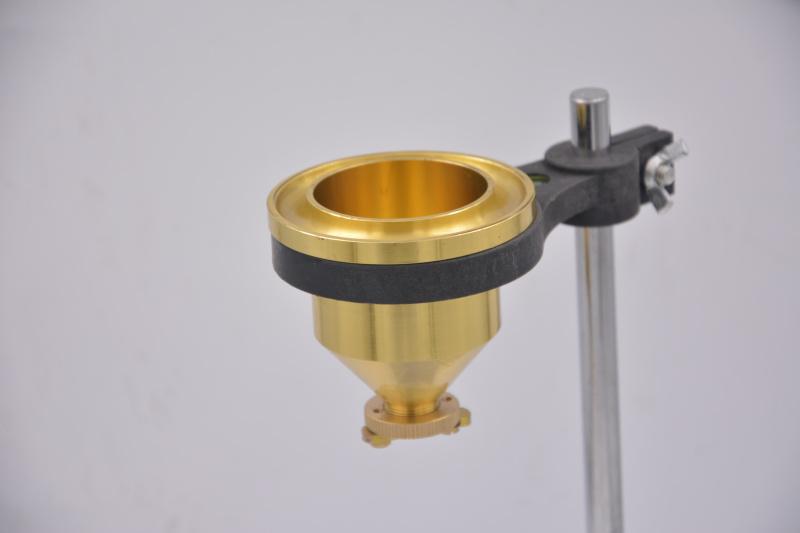
The viscosity of coatings is affected by many factors. The following are some common factors affecting the viscosity of coatings:
Solvent selection:
The type and amount of solvent in a paint can significantly affect the viscosity of the paint. Typically, coatings with higher solvent content have lower viscosity because the solvent reduces the viscosity of the paint and makes it flow more easily. Conversely, coatings with lower solvent content have higher viscosity.
Solids Content:
The amount of solids in a paint can also have an effect on viscosity. Coatings with high solids content typically have higher viscosity because solid particles or polymers increase the viscosity of the paint.
Temperature:
The effect of temperature on paint viscosity is common and significant. In general, an increase in temperature reduces the viscosity of the paint, making it easier to flow. Conversely, a decrease in temperature increases the viscosity of the paint, making it more viscous. The effect of temperature on paint viscosity can be achieved by heating or cooling the paint to adjust the viscosity.
Additives and auxiliaries:
Additives and auxiliaries in coatings (such as leveling agents, dispersants, defoamers, etc.) can also affect viscosity. The role of these additives and auxiliaries is to change the intermolecular interaction or surface tension inside the coating, thereby affecting the fluidity and viscosity of the coating.
Stirring and mixing:
Stirring and mixing the paint can change its viscosity. Fully stirring and mixing the paint can make it more uniform, reduce viscosity and improve fluidity.
Different types of coatings may have different requirements and adaptations for viscosity, and specific coating formulations and process parameters will also affect viscosity. Therefore, in practical applications, viscosity adjustment and control need to be carried out according to specific conditions to meet the requirements of coatings.
- 1Coating viscosity determination and viscosity influencing factors
- 2Paint viscosity
刘登良 - 《《涂料工艺》》
- 3Determination of paint viscosity
- 4Water-based paint laboratory testing project procurement instrument selection plan
- 5Control the viscosity of uniform filament coatings
- 6How to measure Coating viscosity with ISO cup
- 7How to measure Coating Viscosity?
- 8How to save time and money with proper measurement Viscosity?
- 9Coating viscosity determination method and related standards