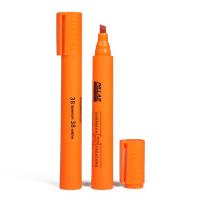
Dyne pen test method
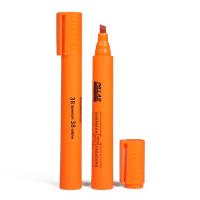
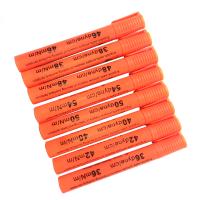
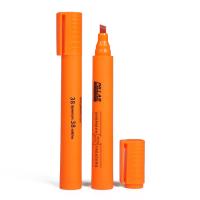
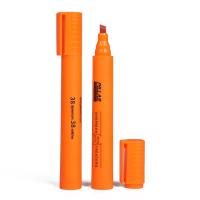
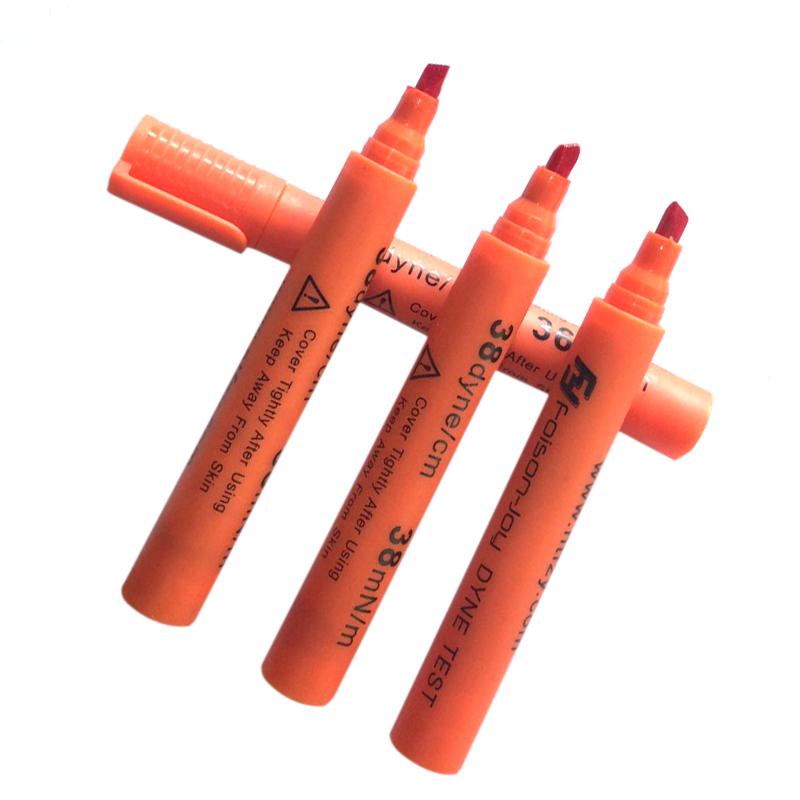
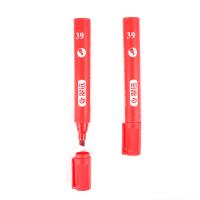
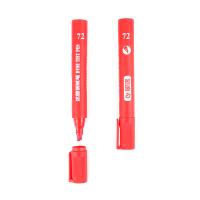
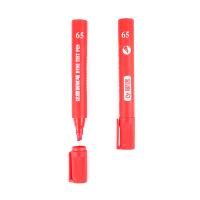
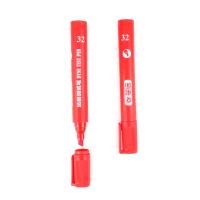
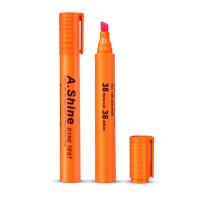
The Dyne pen is a tool commonly used for surface tension testing to evaluate the wettability and coating properties of material surfaces. The following is the general determination method for the Dyne pen test:
Preparation:
Make sure the surface being tested is clean, dry and oil-free.
The dyne pen is calibrated according to its marked surface tension value to ensure its accuracy.
To test:
If the ink of the dyne pen evenly and continuously wetting the entire surface does not form a breakpoint or stagnation, it means that the surface has sufficient wettability and the surface tension is higher than or equal to the calibration value of the dyne pen.
If the ink of the dyne pen forms a breakpoint, stagnation, or beads on the surface, it means that the surface has poor wettability and the surface tension is lower than the calibrated value of the dyne pen.
Gently touch the dyne pen perpendicular to the surface under test and quickly move it over the surface.
Observe the behavior of the dyne pen on the surface:
Judgment result:
If the calibration value of the dyne pen is 38 dyn/cm, and a breakpoint or stagnation is formed on the surface to be tested, the surface tension is lower than 38 dyn/cm.
The surface tension is higher than or equal to 38 dyn/cm if the dyne pen is calibrated to 38 dyn/cm and is evenly wetted on the surface under test without breaking or stagnation.
According to the comparison of the behavior of the dyne pen and the calibration value, the following conclusions can be drawn:
It should be noted that the dyne pen test results can only provide a relative assessment of the surface tension, and cannot give an accurate surface tension value. In addition, the test results may also be affected by other factors, such as surface roughness, surface treatment, temperature, etc. Therefore, when conducting the dyne pen test, other factors should be comprehensively considered and used as a reference for surface wettability and coating performance.

- 1Application of Dyne pen in surface tension measurement
- 2Dyne pen in film printing
- 3How to Use a Dyne Pen to Determine Surface Energy
- 4How to Ensure the Accuracy of the Dyne Pen Test
- 5Dyne Pen Controls Surface Tension of Printed Coatings
- 6Four simple steps to use the dyne pen correctly
- 7Dyne pens and test fluid -- how do they work?
- 8What is dyne level?
- 9What is dyne (surface tension)?