Application of STIP-scan in fish pond water quality detection
Water quality testing is crucial for fish ponds. It can ensure that fish grow in a suitable water quality environment, prevent the occurrence of disease and death, while optimizing aquaculture management and improving aquaculture benefits. Through water quality testing, key indicators in the water body can be monitored, such as pH value, dissolved oxygen, temperature and conductivity, as well as potential pollutants and pathogens. In this way, water quality problems can be detected in time, and necessary regulatory measures can be taken to ensure the healthy growth of fish and ensure the sustainable development of fish ponds.
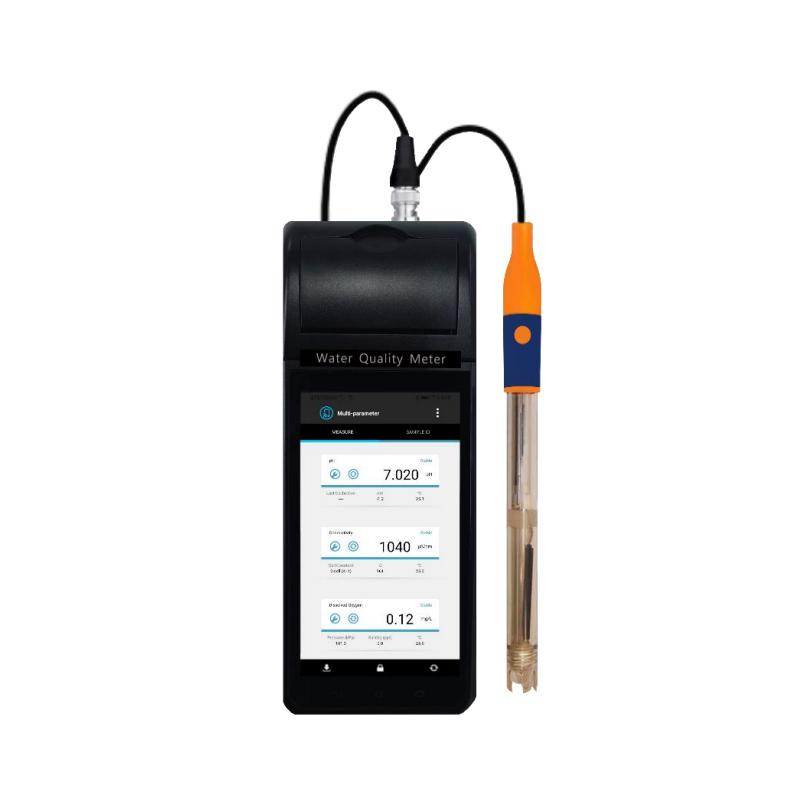
Detection index
In fish pond water quality testing, seven indicators are generally required to be tested, including dissolved oxygen, pH value, temperature, ammonia nitrogen, nitrite, nitrate, and suspended solids. These common indicators and corresponding requirements are as follows:
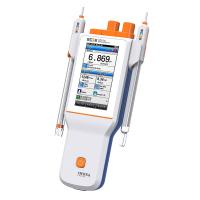
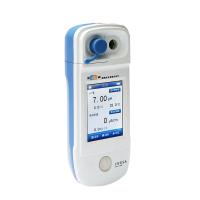
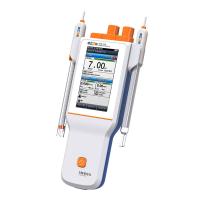
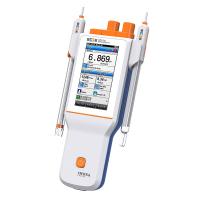
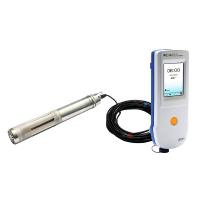
Dissolved Oxygen (DO): Dissolved oxygen is one of the important indicators in fish pond water. The water quality Detector can be used to measure the dissolved oxygen content in the water body to assess the adequacy of oxygen in the fish pond water body. The appropriate dissolved oxygen concentration range is 5-8 mg/L to ensure normal breathing and survival of fish.
pH: Water quality Detectors can be used to measure the pH of fish pond water. Fish are sensitive to changes in water pH, and too high or too low pH may negatively affect fish growth and health. The appropriate pH range is 6.5-8.5 to maintain the physiological balance of fish.
Temperature: Fish are also sensitive to changes in water temperature, and too high or too low a temperature may negatively affect their growth and physiological function. The appropriate water temperature depends on the type of fish and is usually between 18-30 degrees Celsius, but different species may have different requirements.
Ammonia nitrogen: The concentration of ammonia nitrogen should be lower than 0.02 mg/L, and high concentrations of ammonia nitrogen are toxic to fish.
Nitrite: The concentration of nitrite should be less than 0.2 mg/L, and high concentrations of nitrite can cause harm to fish.
Nitrate: Nitrate concentrations should be less than 10 mg/L, too high nitrate levels may cause health problems in fish.
Suspended solids: The concentration of suspended solids should be controlled within an appropriate range, and the transparency of the water body is usually required to ensure the visual observation and feeding of fish.
The eligibility criteria for these indicators can vary according to the species, growth stage and feeding conditions of specific fish. Usually, the quality of qualified fish ponds should meet the requirements of the above indicators and match the ecological environment of specific fish. In addition, the following points need to be noted:
Regular water quality testing is recommended, especially during seasonal changes and critical stages of the fish feeding cycle.
Ensure that the fish pond water has good circulation and ventilation to avoid the accumulation of harmful substances in the water.
Reasonably control the amount of bait and the density of fish to avoid water quality problems caused by excessive feeding and excessive intensive breeding.
According to the water quality test results, take necessary water quality adjustment measures, such as oxygenation device, filtration system, water aeration, etc., to improve water quality.
Ensuring that the water quality of fish ponds is qualified is the key to the health and growth of fish. If the water quality index exceeds a reasonable range, it may have adverse effects on the survival and health of fish. Therefore, regular testing of water quality and timely adjustment and improvement measures according to the test results are important steps to maintain good water quality in fish ponds. By using water quality Detectors for regular water quality monitoring and parameter measurement, fish pond managers can keep abreast of the quality of fish pond water bodies and take necessary measures to adjust and improve water quality to ensure the health and growth of fish.

- 1Water quality testing routine 9 indicators
- 2Summary of relevant standards for water quality testing
- 3STIP-scan working principle, use method, application field
- 4Four differences between water quality test pen and STIP-scan
- 5Nine detection parameters of heavy metals water quality monitor
- 6Eight Routine Test Indicators for Well Water Quality Testing
- 7STIP-scan FAQ and solutions
- 8What are the factors considered in STIP-scan selection?
- 9How to correctly select Tongao water quality testing instruments?


