Nine detection parameters of heavy metals water quality monitor
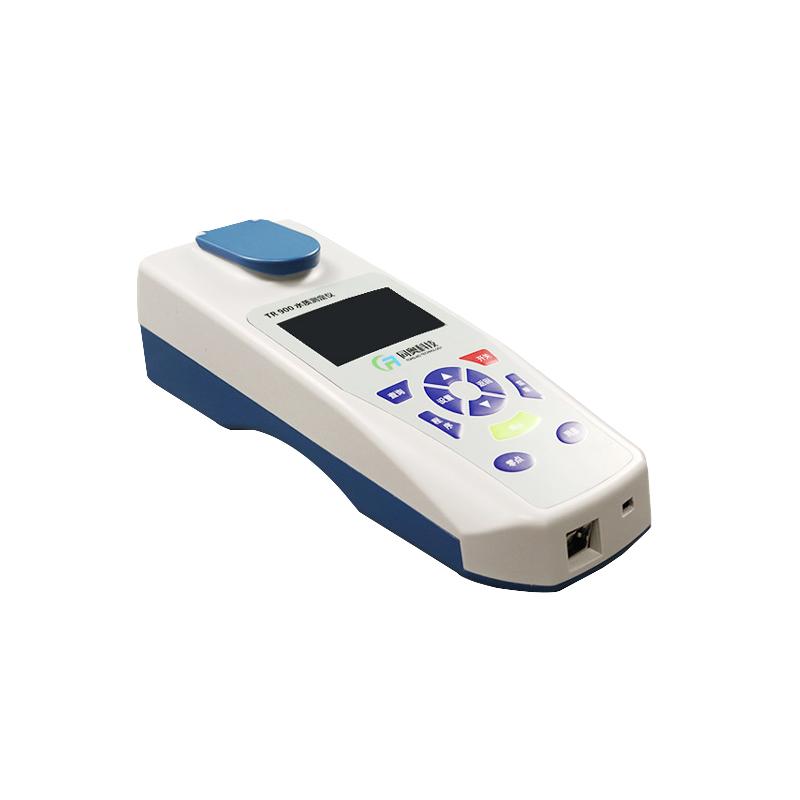
Water heavy metal monitors are used to detect the content of heavy metal elements in water samples to assess the degree of pollution in water bodies and determine whether they meet relevant water quality standards. The following are some common heavy metal parameters in water quality and their detection methods:
Lead (Pb): Lead is a common heavy metal pollutant in water quality, which can be detected by atomic absorption spectroscopy (AAS), inductively coupled plasma emission spectroscopy (ICP-OES) and other methods.
Cadmium (Cd): Cadmium is a toxic heavy metal with potential harm to water and organisms. Cadmium detection methods include atomic absorption spectroscopy, electrochemical methods, etc.
Chromium (Cr): Chromium exists in various forms, among which hexavalent chromium (Cr6 +) is harmful to the human body. Commonly used detection methods include atomic absorption spectroscopy, ICP-OES, etc.
Mercury (Hg): Mercury is a toxic substance that is harmful to the human body and the ecological environment. The detection methods of mercury include atomic fluorescence spectroscopy, hydride generation atomic absorption spectroscopy, etc.
Nickel (Ni): Nickel is a common heavy metal in water quality, which can be detected by atomic absorption spectroscopy, inductively coupled plasma emission spectroscopy and other methods.
Copper (Cu): Copper is an important trace element, but high concentrations of copper can have toxic effects on aquatic organisms. Detection methods for copper include atomic absorption spectroscopy, electrochemical methods, etc.
Zinc (Zn): Zinc is an important trace element, but high concentrations of zinc can cause toxicity to aquatic organisms. Detection methods for zinc include atomic absorption spectroscopy, electrochemical methods, etc.
Silver (Ag): Silver is an element with antibacterial properties and is often used to evaluate the content of antibacterial agents in water quality monitoring. The detection methods of silver include atomic absorption spectroscopy, ICP-OES, etc.
Cobalt (Co): Cobalt is a trace element commonly used to assess environmental pollution and industrial emissions in water bodies. Cobalt detection methods include atomic absorption spectroscopy, inductively coupled plasma emission spectroscopy, etc.
The detection of these heavy metal parameters can help assess the pollution degree of water bodies, understand environmental conditions, and provide a reference for environmental protection and water resources management. Heavy metal monitors for water quality usually use advanced analytical techniques and instruments, such as atomic absorption spectroscopy, photoelectric colorimetry, electrochemical methods, etc., to ensure accuracy and reliability.
- 1Water quality testing routine 9 indicators
- 2Summary of relevant standards for water quality testing
- 3STIP-scan working principle, use method, application field
- 4Four differences between water quality test pen and STIP-scan
- 5Application of STIP-scan in fish pond water quality detection
- 6Eight Routine Test Indicators for Well Water Quality Testing
- 7STIP-scan FAQ and solutions
- 8What are the factors considered in STIP-scan selection?
- 9How to correctly select Tongao water quality testing instruments?


