STIP-scan working principle, use method, application field
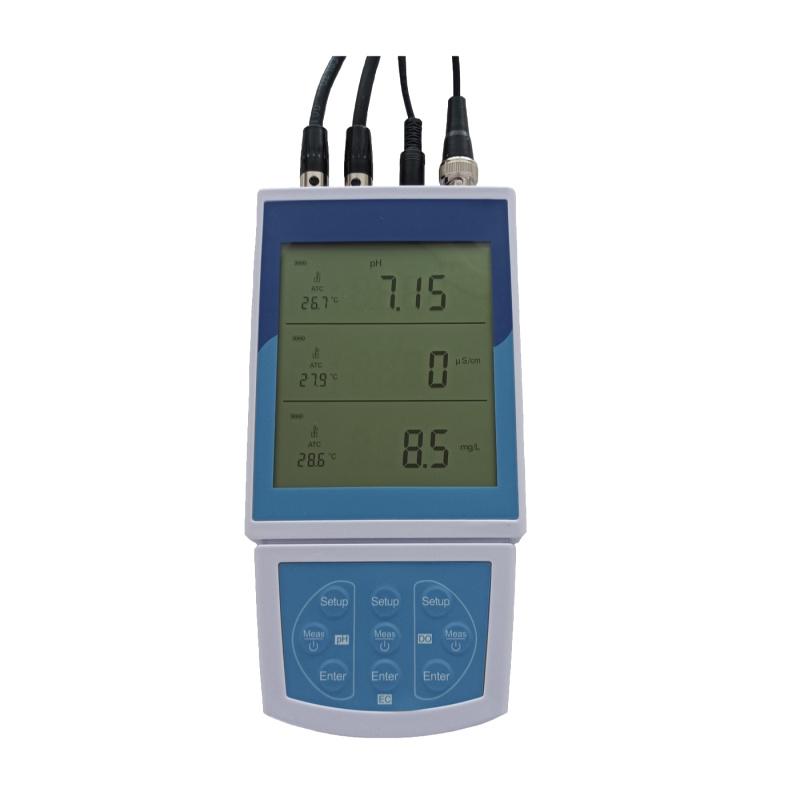
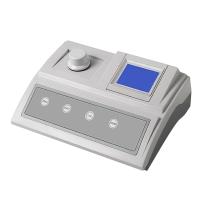
A water quality Detector is an instrument used to measure and analyze various indicators in a water body to evaluate the quality and suitability of water. The following will introduce the working principle, use method, precautions and application fields of the water quality Detector in detail.
How it works
The working principle of water quality Detectors is based on different measurement techniques and sensors. Common measurement techniques include electrochemical method, optical method, chromatography method, fluorescence method, etc. Each technique has specific sensors or probes for measuring different indicators in water, such as pH value, dissolved oxygen, conductivity, turbidity, residual chlorine, ammonia nitrogen, etc. These sensors measure specific properties or reactions of target substances in the water body by contact with or immersion in the water sample, and then convert the measurement results into numerical display or output.
How to use
Connect the sensor and power supply correctly according to the instruction manual of the instrument.
Collect water samples as needed and ensure that the water samples meet the measurement requirements and standards.
Calibration operations are performed according to the requirements of the instrument to ensure accurate measurement results.
Select the parameters you want to measure, such as pH, dissolved oxygen, conductivity, etc., and follow the instrument's instructions to measure.
Record measurements and perform data analytics and processing as needed.
Precautions
The instrument's sensors and probes need to be kept clean and in good condition to ensure accurate measurement results.
Follow the instrument's instructions for use and safe operating procedures to prevent instrument damage and personal injury.
For specific measurement items, additional preprocessing steps such as filtration, dilution, etc. may be required to ensure accurate measurement results.
Calibration and maintenance of the instrument are carried out regularly to ensure the accuracy and stability of the instrument.
Read and comply with standards and regulations related to water quality testing to ensure reliability and compliance of test results.
Application field
Water quality Detectors are widely used in various fields and industries, including but not limited to:
Environmental Monitoring: Used to assess the quality of natural water bodies, groundwater, rivers, lakes and oceans, and to detect water pollutants and environmental impacts.
Drinking water and wastewater treatment: Used to monitor and control water quality parameters in drinking water and wastewater treatment processes to ensure water safety and compliance.
Agriculture and fishery: It is used to test irrigation water quality, aquaculture water quality and fish pond water quality, and maintain a good environment for agricultural and fishery production.
Industrial production: Used to monitor the quality of industrial wastewater, process water and circulating water, control production processes and protect the environment.
Laboratory Research: Used for scientific research, teaching experiments, and new product development to analyze and evaluate water quality.
The use of water quality Detectors can provide timely and accurate water quality information, help protect and improve the quality of water resources, and ensure human health and environmental sustainability.

- 1Water quality testing routine 9 indicators
- 2Summary of relevant standards for water quality testing
- 3Four differences between water quality test pen and STIP-scan
- 4Nine detection parameters of heavy metals water quality monitor
- 5Application of STIP-scan in fish pond water quality detection
- 6Eight Routine Test Indicators for Well Water Quality Testing
- 7STIP-scan FAQ and solutions
- 8What are the factors considered in STIP-scan selection?
- 9How to correctly select Tongao water quality testing instruments?


