Water quality testing routine 9 indicators
Nine common indicators in water quality testing include pH value, dissolved oxygen, ammonia nitrogen, total nitrogen, total phosphorus, permanganate index, chemical oxygen demand, suspended solids, and coliforms. The detailed functions of each indicator are as follows:
pH value
pH value is a measure of the acidity and alkalinity of water, reflecting the concentration of hydrogen ions in the water. pH has an important impact on dissolved substances, biological activity, and waste disposal in water. Generally, water with a pH between 6.5 and 8.5 is considered healthy. A pH below 6.5 may indicate increased acidity in the water, which may cause harm to aquatic life.
Dissolved oxygen (DO)
Dissolved oxygen refers to the dissolved oxygen content in water and is vital to the survival and reproduction of aquatic organisms. Dissolved oxygen in water comes from the atmosphere and photosynthesis of aquatic plants, as well as mechanical oxidation and biological oxidation in water. Dissolved oxygen levels are affected by factors such as temperature, pressure, light, turbulence, and organic waste.
Ammonia nitrogen
Ammonia nitrogen refers to the content of free ammonia and ammonia compounds in water bodies, and is usually an indicator of organic waste decomposition and biological growth. Excessive ammonia nitrogen content may lead to eutrophication of water bodies and the death of aquatic life.
Total nitrogen
Total nitrogen refers to the total amount of nitrogen substances in water bodies, including organic nitrogen and inorganic nitrogen. It is an important indicator for assessing the degree of pollution and eutrophication of water bodies. High concentrations of total nitrogen may lead to eutrophication of water bodies, trigger algae blooms, and affect the balance of water ecosystems.
Total phosphorus
Total phosphorus refers to the total amount of phosphorus substances in the water body and is an indicator of eutrophication and excessive algae growth in the water body. Excessive total phosphorus will cause excessive algae reproduction in water bodies, causing cyanobacteria blooms and other problems, affecting water quality and the survival of aquatic life.
Permanganate Index (CODMn)
COD is a measure of the concentration of organic matter in water, and the permanganate index is a method of measuring the oxidizing properties of organic matter in water samples. The permanganate index is often used to evaluate the concentration and biodegradability of organic matter in water bodies, and is one of the important indicators for evaluating the degree of water pollution.
Chemical Oxygen Demand (COD)
COD refers to the amount of oxidant required for the oxidation reaction of organic matter and oxidant in water under certain conditions. It reflects the concentration of organic matter in water and is one of the important parameters for assessing the degree of water pollution.
Suspended solids
Suspended solids are suspended particulate matter in water bodies, including sediment, dust, microorganisms, suspended organic matter, etc. The content of suspended solids can affect the transparency, water color, nutrient cycle, and the living environment of aquatic organisms in the water body.
Coliforms
Coliforms are representatives of a type of intestinal bacteria and are often used to evaluate whether water bodies are contaminated by bacteria and reflect the sanitary status of water bodies. Coliform test results can indicate whether the water is contaminated and suitable for human contact and drinking.
These conventional nine indicators are usually used to evaluate the basic quality of water bodies and serve as the basis for water quality monitoring and water resources management.
How to detect?
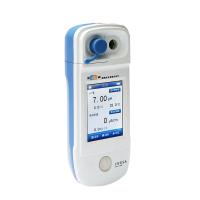
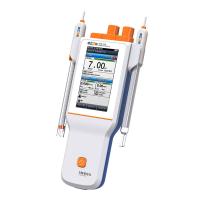
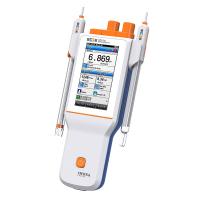
The detection of pH value is usually carried out by using a pH electrode or pH test paper. The pH electrode is an electrochemical sensor specifically designed to measure the acidity and alkalinity of a solution. The electrode can be directly inserted into the water sample for measurement. The pH test paper is a simple testing method. The test paper is immersed in the water sample, and the pH value of the water sample is determined by comparing the color change of the test paper with the standard Color Chart.
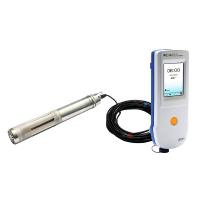
Dissolved oxygen can be measured using a Dissolved Oxygen Meter or dissolved oxygen electrode. Dissolved Oxygen Meters measure the dissolved oxygen content in water through chemical or electrochemical methods, while dissolved oxygen electrodes measure the concentration of dissolved oxygen in water samples through electrochemical methods.
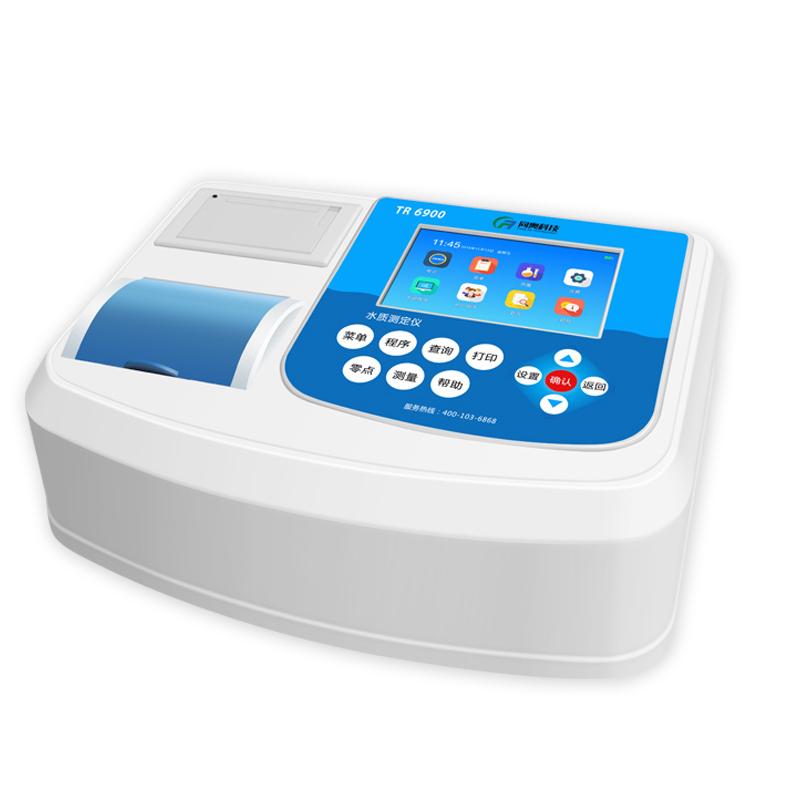
The detection of parameters such as ammonia nitrogen, total nitrogen, total phosphorus, chemical oxygen demand (COD) and permanganate usually requires water samples to be collected and brought back to the laboratory for analysis. Commonly used analysis methods include spectrophotometry, colorimetric colorimetry, UV spectrophotometry, titration, chemical analysis, etc.
The detection of suspended solids can be carried out by filtering the water sample and weighing the filter membrane. Sedimentation analysis can also be performed using a suspensIon Meter or centrifuge.
The detection of coliforms usually uses culture methods or molecular biology methods. The culture method is to inoculate the water sample on a plate containing coliform culture medium, culture the typical colonies of coliform bacteria, and count them. Molecular biology methods determine the presence or absence of coliform bacteria by detecting specific DNA sequences in water samples.
NBchao Tips: There are different testing methods and equipment for different water quality indicators. Generally, water samples need to be taken back to the laboratory for analysis after sampling on site. Choosing appropriate testing methods and equipment to ensure accurate and reliable analysis results is of great significance to water quality assessment and environmental protection. The actual water quality testing items may vary according to different countries, regions and monitoring purposes, so the corresponding standards and requirements should be referenced in specific water quality testing.

- 1Summary of relevant standards for water quality testing
- 2STIP-scan working principle, use method, application field
- 3Four differences between water quality test pen and STIP-scan
- 4Nine detection parameters of heavy metals water quality monitor
- 5Application of STIP-scan in fish pond water quality detection
- 6Eight Routine Test Indicators for Well Water Quality Testing
- 7STIP-scan FAQ and solutions
- 8What are the factors considered in STIP-scan selection?
- 9How to correctly select Tongao water quality testing instruments?


