Calibration methods of Film Thickness Gauge
Overview
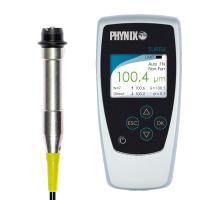
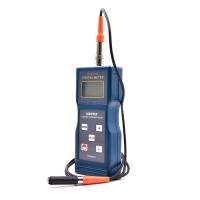
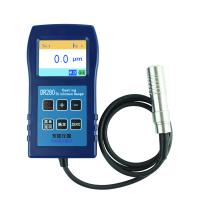
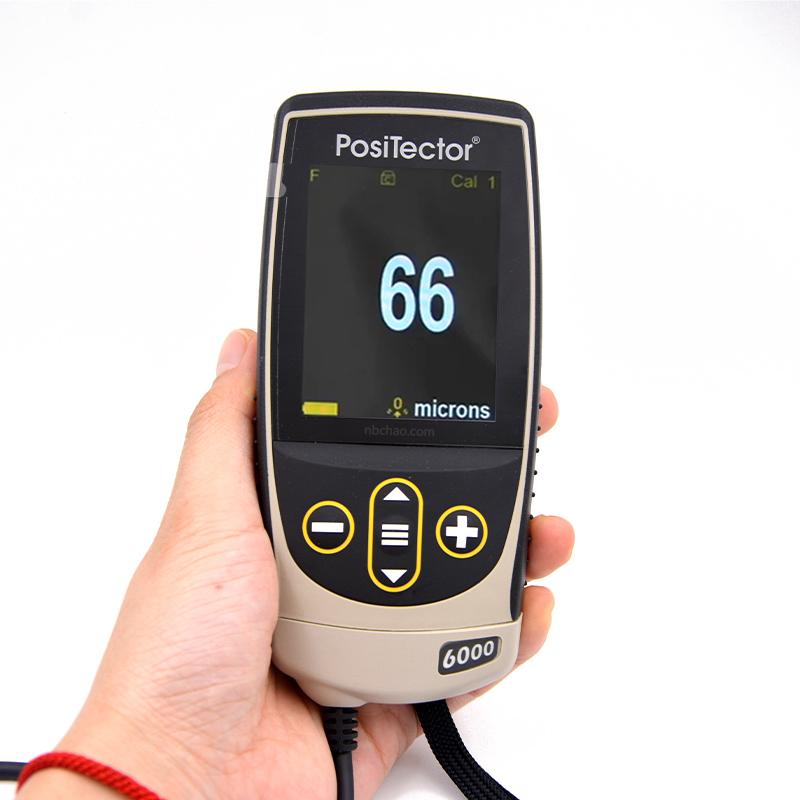
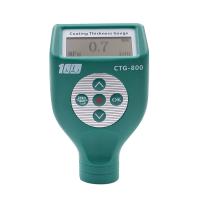
A paint Film Thickness Gauge is an instrument designed to measure the thickness of coatings or paint films. It is widely used in the coatings, coatings and surface treatment industries to assess the quality, uniformity and compliance of coatings.
The working principle of paint Film Thickness Gauges is based on the absorption and reflection characteristics of electromagnetic waves by different materials. Common paint Film Thickness Gauges use non-destructive testing methods, which determine the thickness of the coating by placing a measuring head or probe on the surface of the coating, emitting electromagnetic waves to the coating, and then measuring the reflected signal. Instruments generally have high precision and reliability, and can adapt to different types of coatings, such as paints, anti-corrosion coatings, electroplating, etc.
Paint Film Thickness Gauges are used in a wide range of applications, including real-time monitoring on automated production lines, quality control and quality assurance, comparative analysis before and after coating construction, coating wear and corrosion assessment, and more. By measuring the thickness of a coating, it is possible to determine its compliance with specification requirements, as well as predict its performance and durability. The advantages of paint Film Thickness Gauges are fast, accurate, non-destructive, and easy to operate. It provides an important tool for ensuring the quality and consistency of coatings, as well as controlling coating thickness during production.
Calibration purpose
Calibration of paint Film Thickness Gauges is done to guarantee the accuracy and reliability of the measurement results. Through calibration, the accuracy of the Thickness Gauge can be verified and the measurement results are consistent with the actual coating thickness. This is essential to meet Quality Standards, meet industry requirements, and improve product consistency. Calibration of paint Film Thickness Gauges is performed regularly to ensure stable performance of the instrument and to provide reliable measurement data to aid in quality control and quality assurance of the production process. Whether in the coatings industry, anti-corrosion coatings or other coating applications, calibration is a necessary step to ensure accurate measurement of coating thickness, thereby guaranteeing product quality and performance.
Calibration method
Several common calibration methods for paint Film Thickness Gauges include:
Fiducial Sheet Calibration: Calibration is performed using a fiducial sheet of known thickness. The fiducial sheet is usually a metal sheet or calibration sheet with an accurate calibration thickness. Place the fiducial sheet under the measuring head and the measuring instrument reads the thickness of the fiducial sheet and calibrates it.
Zero Calibration: Zero calibration is performed on uncoated substrates. Place the measuring head on the substrate and zero the measuring instrument so that it reads zero. This calibration method is suitable for measuring the thickness of uncoated substrates.
Multi-point calibration: Calibration using multiple fiducial sheets of known thickness. The accuracy and stability of measuring instruments can be improved by placing fiducial sheets of different thicknesses and aligning the measuring instrument with each fiducial sheet.
Reflection Calibration: Calibration with samples of known coating thickness and substrate reflectivity. By measuring a sample of known coating thickness and entering the reflectivity value of the sample, the measuring instrument can calibrate and provide more accurate coating thickness measurements.
Calibration with Standard Reference Samples: Calibration is performed using certified standard reference samples. These reference samples have coatings of known thickness and specific properties that can be used as a reference for calibration.
Calibration steps
Depending on the Thickness Gauge model and manufacturer, other specific calibration methods and steps may exist. When using a Thickness Gauge, carefully read the instrument's operating manual and follow the manufacturer's instructions for proper calibration to ensure the accuracy and reliability of the measurement results.

The following are examples of general paint Film Thickness Gauge calibration steps:
Prepare calibration fiducials or standard reference samples: Select the appropriate calibration fiducials or standard reference samples as required by the Thickness Gauge. Make sure these samples have a known thickness and are in good condition.
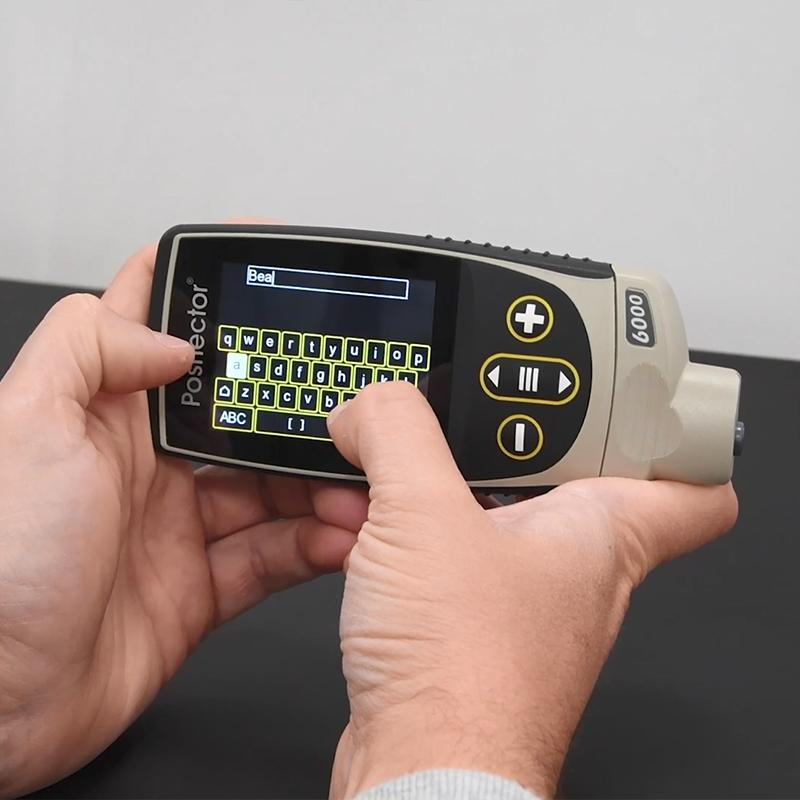
Calibration instrument: According to the operation manual of the instrument, open the Thickness Gauge and enter the calibration mode. According to specific requirements, select the appropriate calibration method.
Zero Calibration: If zero calibration is used, place the measuring head on an uncoated substrate and zero the instrument so that it reads zero.
Single-point calibration: Place the calibration datum under the measuring head, making sure it is in close contact, and calibrate according to the instrument's instructions.
Multi-point calibration: Calibrate with calibration fiducials of different thicknesses in turn. Place each fiduciary under the measuring head, calibrate and record the corresponding reading.
Reflection Calibration: Prepare samples with known coating thickness and substrate reflectivity. Place the sample under the measuring head and enter the reflectivity value of the sample as instructed by the instrument for calibration.
Verification Calibration: After the calibration is completed, use a sample of known coating thickness for verification. Measure the sample and compare it to the known thickness to ensure accurate measurement results.
Please note that the above is only a general example of calibration steps, the actual operation should be carried out according to the specific Thickness Gauge and the operating manual provided by the manufacturer. Make sure to calibrate strictly according to the instructions of the instrument, and calibrate regularly to ensure the accuracy and reliability of the measurement results.

- 1Application of Film Thickness Gauge in automobile paint thickness measurement
- 2Defelsko posiTector6000 Film Thickness Gauge FAQ Summary
- 3Application of Linshang LS220 Paint Film Thickness Gauge in Thickness Measurement of Automobile Paint Surface
- 4Three precautions for the use of paint film coating Thickness Gauges
- 5Curved (non-planar) film How to choose the right Coating Thickness Gauge
南北潮的小小编 - 《南北潮商城》
- 6Film Film thickness determination method
- 7Film thickness determination of films with TJIKN instrument
- 8Test of film thickness of workshop primer
- 9Application Scope and Selection Method of Film Thickness Measurement