How high-speed shearing Mulser works
High-speed shearing emulsifier is a commonly used emulsifying equipment, which is widely used in food, chemical, pharmaceutical and other industries. Its working principle is based on the shearing and shearing force of high-speed rotating blades to emulsify, disperse and mix materials.
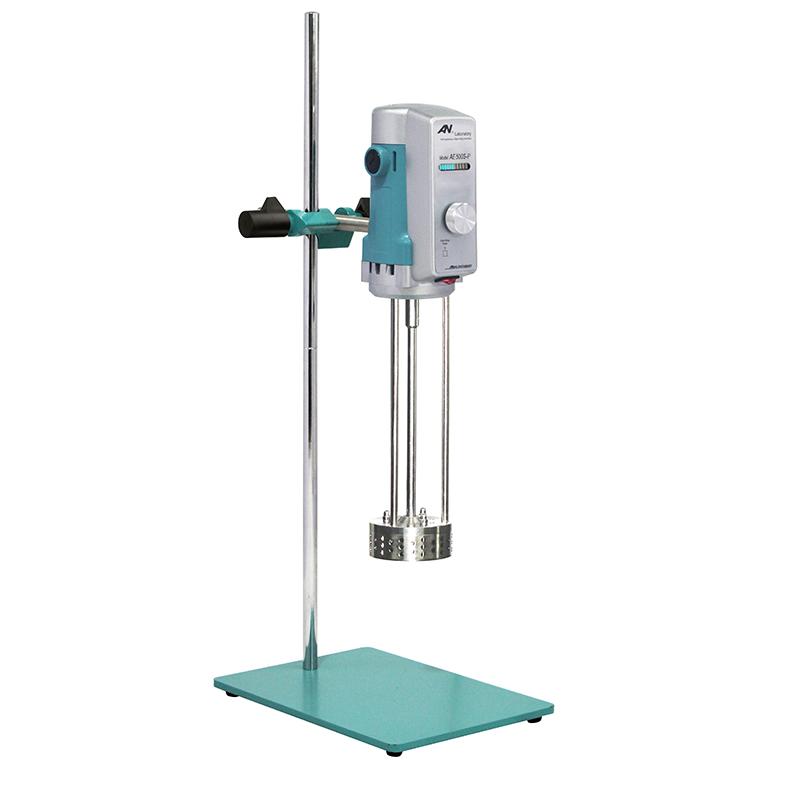
How it works
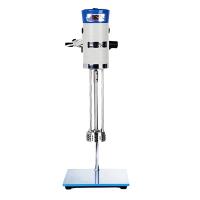
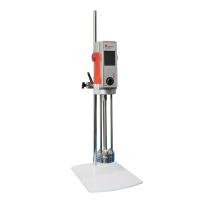
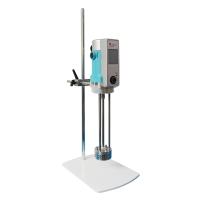
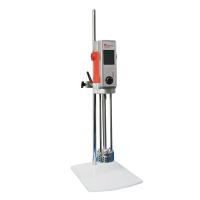
Structure and composition: The high-speed shearing emulsifier is usually composed of a main engine, a motor, a transmission system, a blade group and a container. The main engine includes a base and a drive part, and the blade group is composed of rotating blades and fixed blades.
Blade movement: The motor drives the blade group to rotate at high speed through the transmission system. A shearing area is formed between the rotating blade and the fixed blade, and the material is subjected to shearing and shearing forces in the shearing area.
Material handling process: When the emulsifier is started, the material is added to the container, and high-speed shear force is generated by the rotation of the blade group. The shear force causes the material to form high-speed turbulent motion and shear deformation between the blades. The material is subjected to the action of shear force, and the bonds between molecules are broken, forming small particles or droplets.
Emulsification effect: Under the action of high-speed shearing, the liquid phase and the solid phase in the material are mixed evenly, and tiny particles or droplets are formed to be suspended in the continuous phase. Through continuous shearing and emulsification, the particle size of the material is gradually reduced, so as to achieve the effect of emulsification, dispersion and mixing.
The working principle of the high-speed shear emulsifier is to generate shear force by rotating the blade at high speed to disperse, emulsify and mix the material. The specific emulsification effect depends on factors such as blade design, rotation speed, material characteristics and processing time. According to different process requirements, the shape, rotation speed and processing time of the blade can be adjusted to obtain the desired emulsification effect.
- 1What is the difference between Mulser and Disperser?
- 2Difference between Mulser and Disperser
- 3Three properties of ink leading to emulsification
- 4What is ink emulsification? Features of emulsion
- 5Working principle of high shear hybrid emulsifier
- 6RH-II Mulser Instructions and Precautions
- 7Analysis on the blending method of waterborne epoxy floor topcoat
- 8Discussion on Quantitative Analysis of Consequences of Mulser Explosion Accident
范军政;白春光;杨家福 - 《爆破器材》
- 9On the emulsification effect and security of Mulser
杨民刚 - 《 爆破器材》