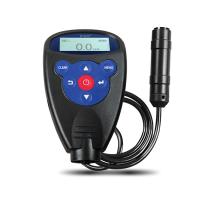
Film Thickness Gauge and its calibration method
Overview
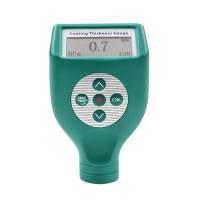
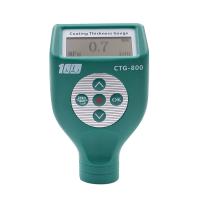
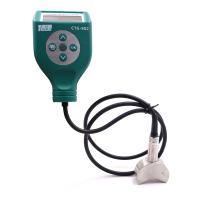
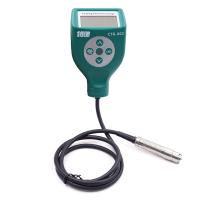
A film thickness meter is an instrument used to measure the thickness of a film or coating. Films can be thin layers prepared on different materials, such as metals, ceramics or polymers. Film thickness meters use different techniques and methods to determine the thickness of films for evaluation and monitoring during research, manufacturing and quality control.
Common film thickness measurement techniques include:
Mechanical measurement method: Using a mechanical probe or mechanical instrument, such as a scraper or scraper, the thickness is calculated by measuring the dimensional difference between the front and rear of the film.
Optical Measurement Method: Using optical techniques, such as reflection, transmission, or interference, to measure the thickness of a thin film. Common optical Thickness Gauges include reflective optical Thickness Gauges and ellipsometers.
X-ray measurement method: Using the penetration ability of X-rays, the thickness of the film is calculated by measuring the scattering or absorption of X-rays on the film.
Microwave measurement method: Using the propagation characteristics of microwaves, the thickness of the film is measured by measuring the reflection or transmission of microwaves on the film.
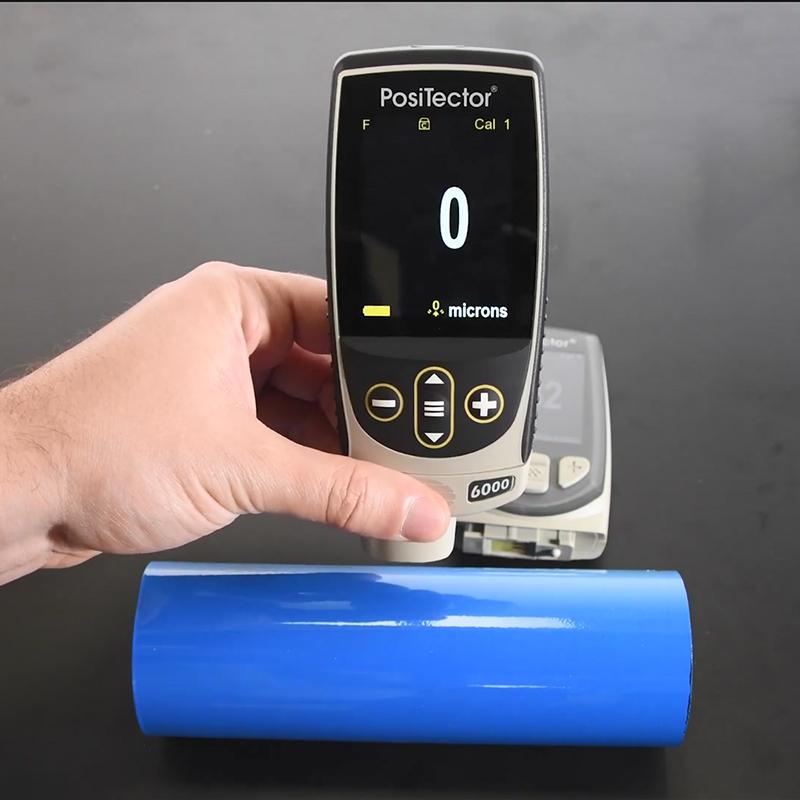
Calibration method
Calibration methods for Film Thickness Gauges can vary depending on the specific instrument type and measurement technique. Regardless of which calibration method is used, it is important to follow the instrument manufacturer's guidelines and recommendations to ensure Film Thickness Gauge accuracy and reliability. Calibration should be performed at appropriate intervals, especially before critical measurement tasks. Here are some common Film Thickness Gauge calibration methods:
Standard sample calibration:
Calibration is performed using a standard sample of known thickness. Standard samples are usually provided by a certification body or manufacturer and their thickness has been accurately measured. Based on the comparison between the standard sample and the film thickness meter measurement results, the accuracy and deviation of the instrument can be determined and adjusted accordingly.
Multi-point calibration:
Select multiple standard samples of different thicknesses for calibration. By calibrating at different thickness points, the accuracy and linearity of the film thickness meter over the entire measurement range can be tested. Based on the comparison of the standard sample with the measurement results, a calibration curve or calibration coefficient can be generated for correction in subsequent measurements.
Internal calibration:
Some Film Thickness Gauges have internal calibration capabilities that can self-calibrate using built-in reference materials or standards. These reference materials have known physical properties with which the instrument calibrates itself. Internal calibration can be performed periodically to ensure instrument accuracy and stability.
External calibration:
Send the film thickness meter to a dedicated calibration laboratory or certification body for calibration. In a laboratory environment, the film thickness meter is fully calibrated and verified using sophisticated measuring equipment and standard samples. This calibration method is usually periodic and performed as needed.
Precautions
Here are some things to note when calibrating a Film Thickness Gauge:
Follow the manufacturer's guidelines: Carefully read and follow the operating manual and calibration guidelines provided by the manufacturer of the film thickness meter. Manufacturers often provide specific steps and recommendations to ensure a correct calibration process and accurate results.
Use the appropriate standard sample: Select the appropriate standard sample for calibration to ensure that its thickness has been accurately measured and certified. The standard sample should be similar to the film or coating to be measured to minimize measurement errors.
Environmental Control: Calibration should pay attention to the control of environmental conditions, such as temperature, humidity and cleanliness. Different film thickness meters may have different requirements for environmental conditions, ensure that the calibration is carried out in a suitable environment to obtain accurate results.
Calibration Cycle: Follow the manufacturer's recommendations and perform regular calibration according to the recommended calibration cycle. This helps maintain the accuracy and performance of the instrument and ensures the reliability of the measurement results.
Data Logging and Traceability: For each calibration, the calibration process and results are documented in detail. This allows for a historical record of the calibration to be traced and reviewed and analyzed as needed. Records include information on standard samples, instrument settings, measurement results, and any calibration adjustments.
Keep the instrument clean and maintained: Perform regular cleaning and maintenance of the instrument to ensure its proper operation and accurate measurements. Follow the manufacturer's maintenance recommendations and avoid using damaged or stained parts.
Ongoing training and technical support: Learn how to operate and calibrate the film thickness meter. Receive relevant training and keep in touch with the manufacturer for technical support and problem solving.
These considerations help ensure the accuracy, reliability and stability of Film Thickness Gauges and provide traceable calibration results. Film Thickness Gauges have a wide range of applications in many fields, including semiconductor manufacturing, optical film coating, coating industry, solar cells, optical coating, electronic equipment, and more. By accurately measuring and controlling the thickness of films, Film Thickness Gauges help ensure that the quality and performance of products meet specified requirements.
- 1Principle characteristics and application of silver Film Thickness Gauge
- 2Film Thickness Gauge FAQ and its solution
- 3Type, application and selection method of film thickness meter
- 4What is the difference between Magnetic Induction Film Thickness Gauge and eddy Current Film Thickness Gauge?
- 5Application of Film Thickness Gauge in glue thickness measurement
- 6Key elements of dual-purpose Film Thickness Gauge selection
- 7Specific selection method of magnetic film thickness meter
- 8The correct selection method of non-destructive film thickness meter
- 9Coating film thickness selection 2 big tricks to avoid pits