How to use pH meter
The following is the general use of pH meters:
Preparation:
Check that the electrodes of the pH meter are clean and intact.
Make sure the electrodes of the pH meter are calibrated or recently calibrated.
Make sure the pH meter has sufficient battery power or is connected to a power source.
Prepare samples:
Prepare the sample to be tested and place it in a suitable container.
If necessary, stir or mix the samples to ensure uniform distribution.
Measure pH:
Turn on the pH meter and wait for it to stabilize.
Immerse the pH electrode completely into the sample to be tested, making sure the electrode is covered with liquid.
Wait for a while until the pH meter stabilizes and shows an accurate pH.
Read pH:
Pay attention to the display of the pH meter, read and record the displayed pH.
Make sure the recorded data is stable, as sometimes the pH may fluctuate slightly early in the measurement.
Cleaning and maintenance:
After the measurement is complete, remove the pH electrode and gently clean the electrode surface with distilled or deionized water to remove any residual material.
Make sure the electrodes are stored in an appropriate storage solution, serviced and stored as recommended by the manufacturer.
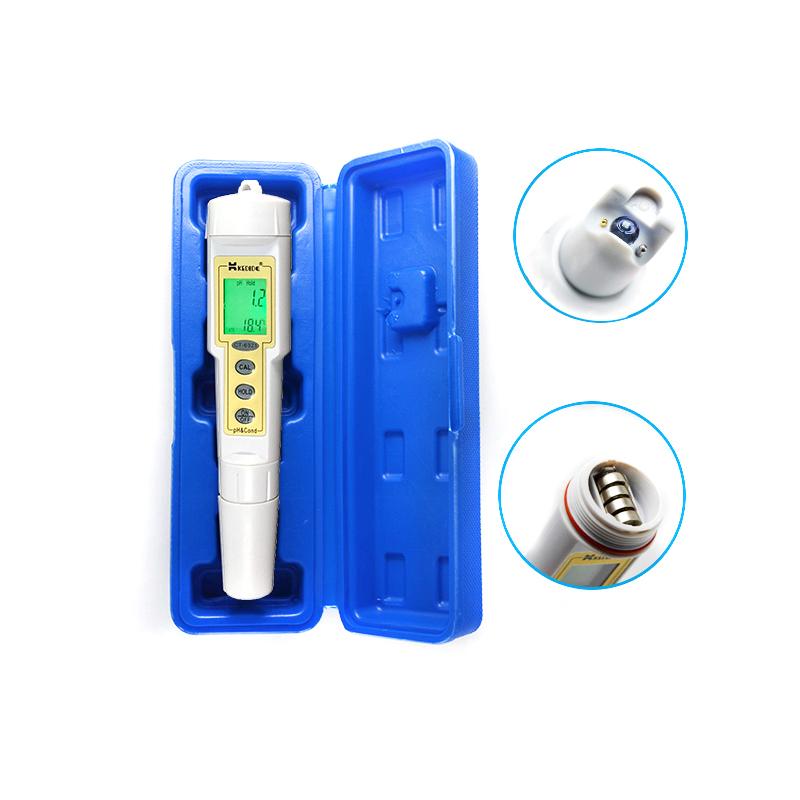
The above is the general method of using the pH meter. The specific steps may vary by pH meter model and manufacturer, so it is recommended to read the relevant instrument instructions for accurate operation steps and precautions before use. In addition, ensure that the pH meter is properly cleaned and maintained before and after measurement to ensure its accuracy and long-term reliability.
- 1Principle and Application of Standard pH Meter
- 2Method for determining amino acid pH value
- 3Basic principle and application analysis of anti-fluorine pH meter
- 4Proper use and maintenance of pH meters
- 5Understanding and Addressing Common Challenges in the Use of pH Meters
- 6Differences between three STIP-scans: pH Meter, Conductivity Meter, and Dissolved Oxygen Meter
- 7PH meter conversion of mv and ph value
- 8Common types and application differences of STIP-scan
- 9PH meter and reading rules for universal ph indicator paper