Analysis of epoxy weathering resistance and detection method
It is very important to measure the weather resistance of epoxy materials, because epoxy resins are widely used in coatings, adhesives, composites and other fields, and need to be able to resist UV radiation, temperature changes, humidity, chemicals and mechanical wear for a long time. Erosion of many factors. Weather resistance testing can help evaluate the stability, physical properties and appearance quality of epoxy materials under these conditions to ensure that they can maintain good performance and longevity in the application.
Accelerated aging test
Expose epoxy material samples for a certain period of time using simulated accelerated aging equipment, such as a UV aging chamber, a constant temperature and Humidity Chamber, or a salt spray chamber. Evaluate the weather resistance of epoxy materials by observing appearance changes, color stability, surface cracking, peeling, or other shape changes.
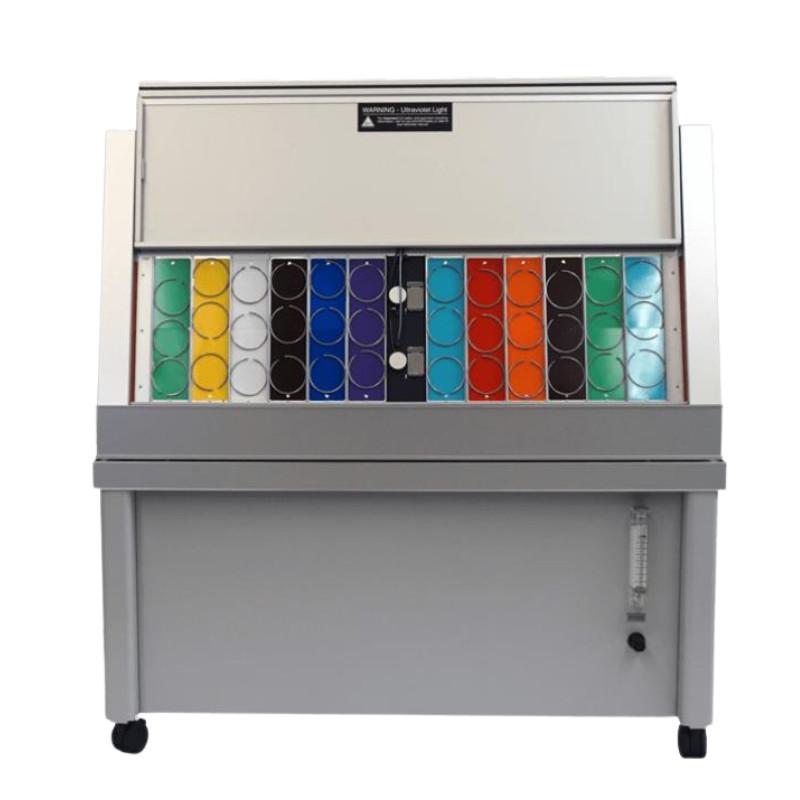
What is a UV aging Test Chamber?
Ultraviolet aging Test Chamber is a device used to simulate sunlight ultraviolet radiation and humid heat conditions in natural environment. It can accelerate the aging process of materials by emitting ultraviolet light source and providing humid heat environment to evaluate the weather resistance and durability of materials under actual use conditions. Ultraviolet aging Test Chamber is widely used in materials science, coatings, plastics, rubber, textiles, automobiles, building materials and other industries to study and evaluate the performance changes of materials such as discoloration, deterioration, cracking, embrittlement, etc., thereby guiding product design, material selection and quality control. By simulating UV radiation and humid heat conditions, UV aging chambers can help manufacturers and research institutions more accurately predict and improve material life and performance, and improve product quality and reliability.
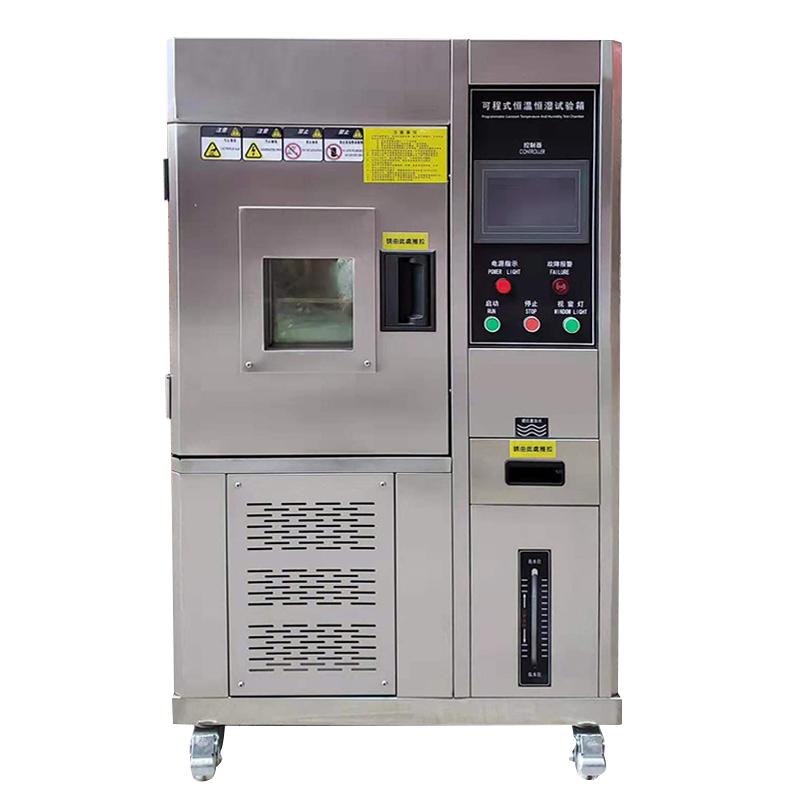
What is a constant temperature and Humidity Chamber?
A constant temperature and Humidity Chamber is a device used to control and maintain constant temperature and humidity conditions. It is usually used in laboratories, research institutions and industrial production processes for long-term constant temperature and humidity environment testing or storage of items, samples or products. Through a precise temperature and humidity control system, a constant temperature and Humidity Chamber can maintain a stable temperature and humidity level within a set range. This device is commonly used in the fields of material performance testing, biological experiments, seed cultivation, drug storage, etc., to simulate specific environmental conditions and explore the behavior and performance changes of substances under different temperature and humidity. The application of constant temperature and Humidity Chamberes helps to study and evaluate the stability, reliability and adaptability of materials, products or biological samples under different environmental conditions, thereby providing valuable data and guidance for scientific research, quality control and product development.
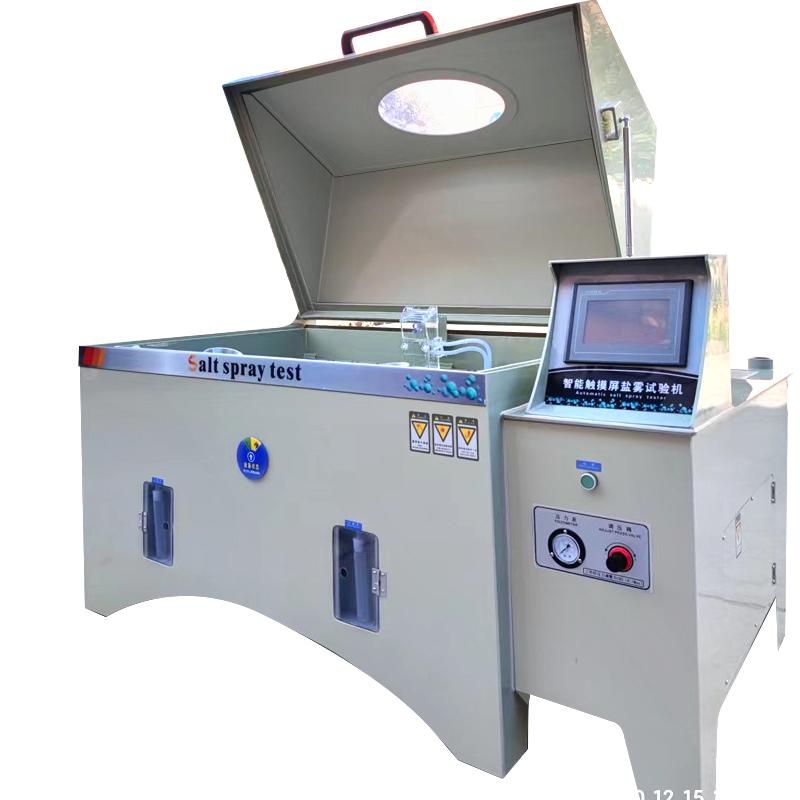
What is a salt spray Test Chamber?
A salt spray Test Chamber is a device used to simulate a salt spray environment and is commonly used to evaluate the resistance of materials and coatings to salt spray corrosion. It exposes test samples to a high-concentration salt spray environment by generating the atomization of a saline solution to simulate marine, industrial or other conditions with a high salinity environment. Salt spray Test Chambers are widely used in industries such as automotive, aerospace, electronics, marine, coatings and anti-corrosion to evaluate the corrosion resistance of products in harsh environments. The weather resistance and protective properties of materials can be evaluated by observing and measuring the degree of corrosion on the sample surface, such as rust, oxidation, coating peeling, etc. The use of salt spray chambers helps guide product design, material selection and quality control to improve product durability and reliability.
Other performance tests
Physical performance test
Measure the physical properties of epoxy samples, such as strength, hardness, impact resistance, and wear resistance. Evaluate whether the physical properties of epoxy materials are affected by weather conditions by comparing test results at different time points.
Color determination
Measure the color parameters of epoxy samples, such as brightness, hue, and chromatic aberration values, using spectroscopic measurement equipment or Colorimeters. By comparing measurements at different time points, the color stability and degree of change of epoxy materials can be evaluated.
Chemical property analysis
Use chemical analysis methods, such as infrared spectroscopy (FTIR) or nuclear magnetic resonance (NMR), to detect changes in the chemical properties of epoxy material samples under weatherproof conditions. Observe whether changes in molecular structure, chemical bond breakage, or decomposition product formation occur.
Surface characteristic measurement
Evaluate the surface quality and flatness of epoxy samples using equipment such as a surface roughness Tester or microscope. Observe for scratches, breakages, or other surface defects to determine their weather resistance and surface protection properties.
Morphological observation
The fracture morphology, cracking and deformation characteristics of epoxy material samples were inspected by microscope or fracture surface observation, and their weather resistance and fracture toughness were evaluated.
Through the above methods, the weather resistance of epoxy materials can be comprehensively evaluated to understand their stability, physical properties and degree of maintenance of appearance quality under different environmental conditions. This helps to improve the quality and service life of epoxy materials, ensuring that they can maintain good performance and reliability for a long time in applications such as coatings, adhesives, composites, etc. Specific test methods and standards may vary depending on different epoxy material types and application requirements. Before conducting tests, it is recommended to refer to relevant standards and specifications, and consult professional laboratories or testing agencies.
- 1What is weathering resistance?
- 2Study on the Composition and Function of Waterborne Wood Coatings
唐本辉 - 《华南理工大学化学与化工学院》
- 3Light resistance and weather resistance of pigments
吕仕铭 杜长森 周华 - 《《涂料用颜料与填料》》
- 4Coating weathering resistance test
- 5How to Prepare High Solids Polyester Resin?
- 6Five Characteristics of Pigment Determine Coating Quality
- 7Factors affecting the weathering performance of coating powder
陈旭峰;叶凡 - 《现代涂料与涂装》
- 8Introduction of emulsion paint light fastness and weathering resistance and acid alkalinity
- 9Film weathering resistance rating summary