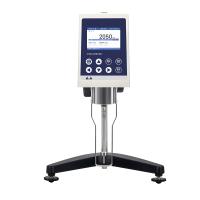
Analysis of the difference between cone-plate viscometer and Rotational Viscometer
Both Cone and Plate Viscometers and Rotational Viscometers are shear viscometers used to measure the viscosity of liquids. They have some differences in measurement principle, structure and application:
Measurement principle
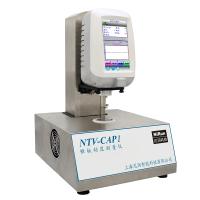
Cone Plate Viscometer: The cone plate viscometer uses a parallel conical rotor and plate, and the liquid sample is sandwiched between the two. The rotor creates a shearing force by rotating, allowing the liquid to flow between the rotor and the plate, thereby measuring the viscosity of the liquid. The cone plate viscometer is suitable for measuring liquid samples of medium to high viscosity.

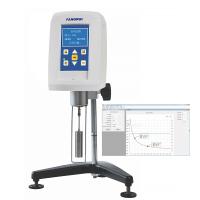
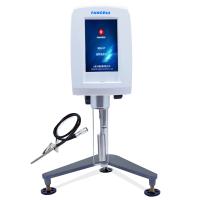
Rotational Viscometer: A Rotational Viscometer is also a shear viscometer that uses different types of rotors to apply shear force in a flowing state to measure the viscosity of liquids. Rotational viscometers are suitable for the measurement of medium to high viscosity liquid samples and are widely used in rheological studies of liquid and semi-solid substances.

Structure and function
Cone-plate viscometers: Cone-plate viscometers usually consist of a conical rotor and a flat plate with a liquid sample sandwiched between the two. They are usually more complex instruments suitable for rheological studies of liquid and semi-solid substances.
Rotational Viscometers: Rotational viscometers usually have an adjustable rotor and rotational speed, which can be selected according to the viscosity of the liquid sample. They are generally suitable for medium to high viscosity liquid sample measurements.
Application field
Cone-plate viscometer: Cone-plate viscometer is mainly suitable for rheological research of liquid and semi-solid substances, such as polymer materials, coatings, colloids, etc.
Rotational viscometer: Rotational viscometers are widely used in rheological research of liquid and semi-solid substances, and are also suitable for viscosity measurement of general liquid samples.
In a word, both cone-plate viscometers and Rotational Viscometers are shear viscometers, suitable for liquid sample measurement in different viscosity ranges. When choosing an instrument for viscosity measurement, the appropriate viscometer should be selected according to actual needs and the characteristics of the liquid sample to obtain accurate and reliable viscosity measurement results.
- 1Rotational viscometer - principle, classification, application and calibrating
- 2Application of NDJ-8S digital Rotational Viscometer in viscosity measurement of cosmetic raw materials
- 3NDJ-5S digital Rotational Viscometer accurate measurement of natural oil viscosity
- 4Viscosity of polypropylene (PP) amide measured by NDJ Viscometer
- 5Application of HBDV-1H swirl/spin High Temperature Viscometer in Viscosity Determination of Plastic Particles
- 6Rotational viscometer selection guide: How to choose the right viscosity equipment for you?
- 7Principle, type and accuracy control of Rotational Viscometer
- 8Which Viscometer to Choose for Licorice Extract Viscosity Testing? How to Test?
- 9Application of Rotational viscometer in Waterborne Polyurethane Adhesive