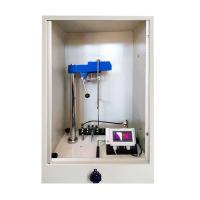
Pendulum damping test method for the determination of film hardness
Introduction
1. Principle and method of Pendulum damping test
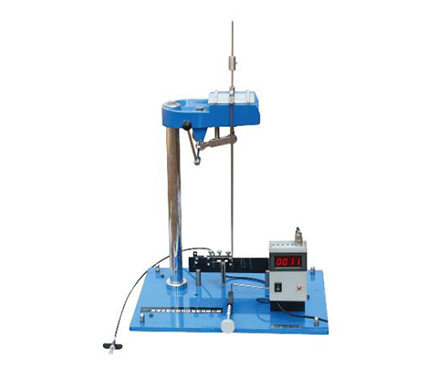
The GB/T 1730 standard specifies the determination method of paint film hardness, which is based on the principle of Pendulum damping. This method uses a swing rod, which swings within a certain period, and evaluates the hardness of the paint film through the decay time of the swing. Specifically, two steel balls are embedded under the swing rod, and the two steel balls contact the paint film template. When swinging, the fixed mass of the swing rod creates pressure on the paint film, so that the paint film produces resistance. The hardness of the paint film is positively correlated with the swinging decay time, that is, the longer the decay time, the higher the hardness of the paint film.
Two test methods are also described in the standard: Method A and Method B. Method A uses two Pendulum damping Testers, Koenig or Persaz, commonly known as the single pendulum test. Rule B uses a paint film pendulum durometer, commonly known as a double pendulum Tester. These two methods have their own advantages in different application scenarios, and appropriate methods can be selected for paint film hardness testing according to specific needs.

2. Operation points and precautions
When performing the Pendulum damping test, you need to pay attention to the following operating points and precautions:
Glass should be wiped clean with alcohol before use to ensure a clean surface.
Steel balls need to be checked regularly, and if there is abrasion or rust on the surface, they should be cleaned or replaced.
The operation process must be meticulous, especially when swinging the swing rod, it should be operated carefully to prevent the slight movement of the swing rod from affecting the test results.
In addition, film hardness is affected by a variety of factors, including film thickness, temperature, Humidity, airflow, and sample Appearance. The thicker the film, the lower the hardness value, as increasing film thickness leads to increased frictional resistance. High temperatures soften the film, and high Humidity makes the film hard, all of which affect the test results. In addition, poor airflow and sample Appearance also increase frictional resistance, thereby reducing hardness values. Therefore, when performing Pendulum damping tests, these influencing factors need to be controlled to ensure the accuracy and repeatability of test results.
3. Results representation and instrument calibration
The way paint film hardness is expressed depends on the test method used. In the double pendulum test, the paint film hardness value is expressed as the ratio of the wobble decay time to the amplitude wobble decay time on a standard Glass plate. In the simple pendulum test, the paint film hardness value is expressed as the wobble decay time. It should be noted that in the actual test, multiple measurements should be carried out, and the average value should be taken to reduce the error.
In addition, the calibration of the instrument is also one of the key factors to ensure the accuracy of the test. The calibration requirements of the double pendulum durometer and the Koenig durometer are specified in the standard to ensure the Reliability of the test results.
4. Application and Importance
Pendulum damping test has a wide range of applications in the Coating industry. It can be used to evaluate the hardness of different types of Coatings, including paints, coatings, paintings and coatings. During the painting process, the hardness of Coatings is critical to the abrasion resistance, durability and protective performance of coatings. Therefore, through paint film hardness testing, Coating manufacturers can be provided with key quality control data to help them improve product formulation and production processes.
In addition, film hardness testing also plays an important role in post-painting quality control and maintenance. For example, in the automotive industry, film hardness testing is used to assess the durability and Appearance mass of body surfaces. In the construction industry, film hardness testing is used to check the mass and weathering resistance of painted surfaces. In addition, this test method can also be used to study the performance of different Coating materials to meet specific application needs.
Conclusion
Pendulum damping test for the determination of paint film hardness in GB/T 1730 standard is a reliable method for evaluating the hardness and performance of Coatings. By carefully following the operating points and precautions, as well as the calibration of the instrument, the accuracy and repeatability of the test results can be ensured. This test method has a wide range of applications in the Coating industry and is essential for quality control and product improvement of Coating manufacturers and Applications. Therefore, understanding and mastering the Pendulum damping test for the determination of paint film hardness is one of the important tasks of Coating industry practitioners, which helps to improve the mass and Reliability of Coating products.
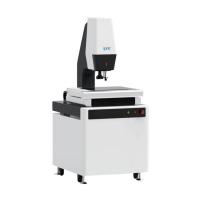
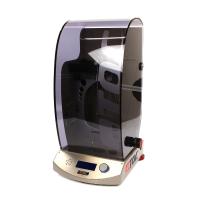
- 1Paints and varnishes Pendulum damping test method under ISO 1522
- 2GB/T1730 Interpretation of Koenig and Persaz pendulum damping test
- 3Swing bar hardness testing: a method for evaluating film hardness
- 4Film hardness testing method: pendulum hardness, pencil hardness, etc
- 5How much do you know about the difference between Konig pendulum and Persoz pendulum of Pendula Hardness Tester?
- 6Pendula Hardness Tester calibrating steps
- 7Determination method of paint film hardness - swing rod hardness, scratch hardness, indentation hardness
- 8How to calibrate the swing rod Hardness Tester?
- 9Swing rod Hardness Tester The difference between three kinds of swing rods: Koenig pendulum, Posaz pendulum, double pendulum