Coating process surface tension factor
Surface tension is one of the key factors in understanding the process of paint film formation. It can help us explain the problems that can occur during the coating process of the paint film and guide us on how to control the properties of the paint to obtain the desired coating effect.
Under the surface tension of the paint, the wet paint film will flow. On the one hand, the surface tension causes the wet paint film to minimize the surface area, from rough to smooth. On the other hand, the low surface tension of the paint will flow to the high surface tension surface to cover them. This is a factor that needs to be controlled when the paint is applied to ensure that the moisturizing paint film can automatically flatten on the surface of the substrate.
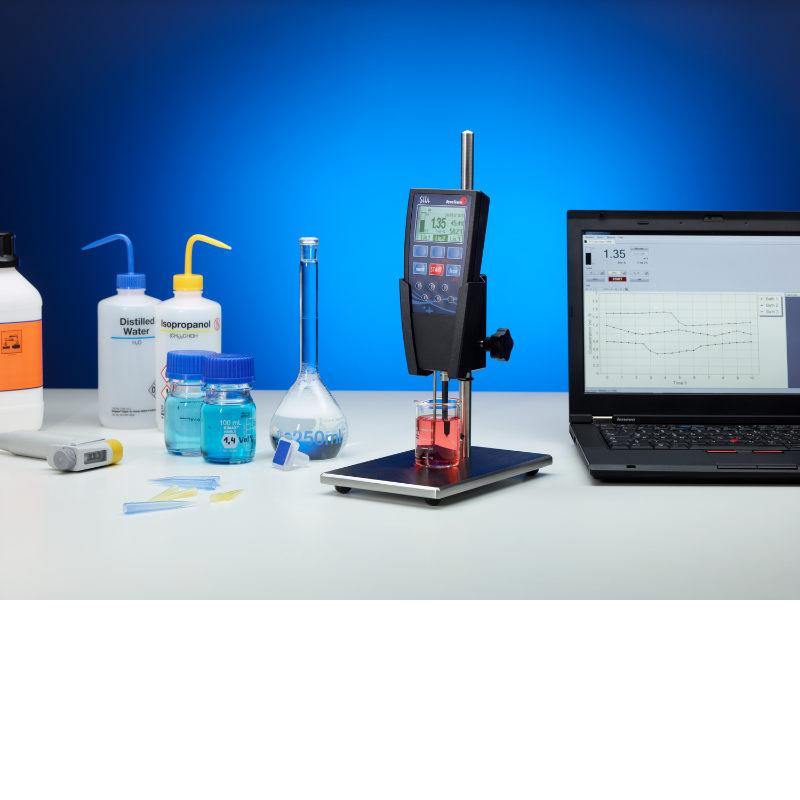
Poor film leveling can lead to various problems, such as brush marks that may appear when brushing, orange peel-like textures that may appear when spraying, and roll marks that may occur when rolling. However, if the leveling of the paint is too good, it is also prone to sagging problems. This means that when the flying material falls on the wet paint film, if the surface tension of the flying material does not match the wet paint film, the paint will produce a shrinkage or orange peel effect on the surface.
The concept of surface tension is very important. Molecules on the surface of an object experience different forces than the molecules inside them. Surface molecules are attracted inward, which leads to the existence of surface tension. The role of surface tension is to try to bring this unbalanced state towards equilibrium. Surface molecules have higher free energies and therefore require more energy to form a surface per unit area. Surface tension can also be expressed in terms of surface free energy, the minimum energy required to form a surface per unit area.
In order to reduce the total surface free energy of the system, the surface tension drives the flow of the paint for two key reasons. First, when painting, we strive to make the surface tension of the paint lower and the surface tension of the substrate higher. In this way, when the paint film is formed, the paint covers the substrate, reducing the total surface free energy. Second, higher paint surface tension makes the paint film easier to flatten, as the smooth wet paint film surface has a smaller contact area with air, which reduces the surface free energy of the paint film.
Dynamic surface tension is an important concept, especially during the coating process. Intense stirring can cause molecules with different surface tensions to mix evenly, resulting in uneven distribution of surface tension within the system. This can cause temporary surface tension layers during coating, and molecules with different surface tensions will move at different speeds. Some surfactants, such as those with shorter hydrocarbon chains or branched surfactants, are able to rapidly diffuse and reach equilibrium, reducing the surface tension of the system. Conversely, polymers with medium molecular weights and soft backbone take longer to reach surface equilibrium. Therefore, when coating is formed, choosing an appropriate surfactant or additive can help control the surface tension to obtain the desired coating effect.
In general, understanding and controlling the surface tension is one of the key factors in the coating process, which has an important impact on the quality and appearance of the paint film. According to different coating requirements, appropriate coating ingredients and additives can be selected to optimize the surface tension of the coating and achieve the desired coating effect.
- 1Water surface tension measurement based on Electronic Balance
- 2Comparison of Liquid Surface/Interfacial Tension Testing Methods: Plate vs. Ring Method
- 3Selection guide for Surface Tensiometers
- 4Application principle and precautions of platinum ring Surface Tensiometer
- 5Coating surface tension and its effects
- 6Three commonly used detection methods for surface tension
- 7Ceramic ink-jet surface tension, viscosity and solutions
- 8Determination of interfacial tension and surface tension
- 9Analysis of the difference between contact angle meter and Surface Tensiometer