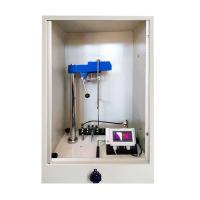
Swing bar hardness testing: a method for evaluating film hardness
In the Coating industry, film hardness is a key performance parameter that directly affects the performance of Coatings in different applications. Swing bar hardness testing is a static measurement method used to measure film hardness. This article will introduce the principle, method and importance of swing bar hardness testing in the Coating industry.
Principle
Swing bar hardness testing is a test method based on the principle of viscous resilience. Its core concept is the measurement of film hardness values at different temperatures, but these values cannot be directly compared. In swing bar hardness testing, the swing attenuation of the swing bar is mainly affected by the absorption of mechanical energy by the film, which is called the loss modulus. The loss modulus is relatively low in both the Glass and Rubber regions, and reaches its highest value at Tg (Glass transfer temperature). Swing bar hardness is closely related to film thickness, and films that are too thin can be affected by the substrate. The advantage of this test method is that it does not destroy the film, so it is suitable for quality control and research fields.
Instrument
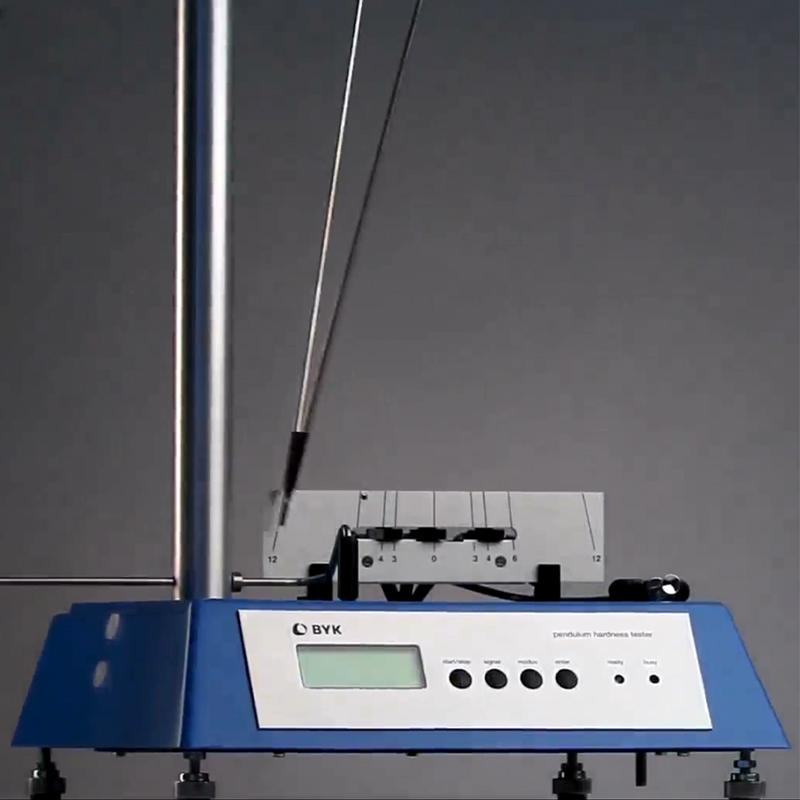
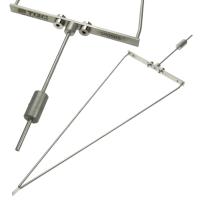
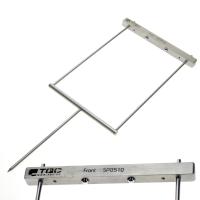
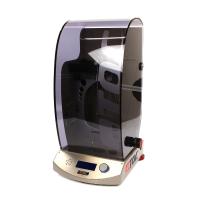
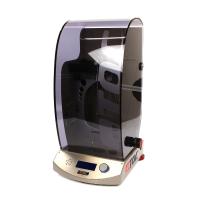
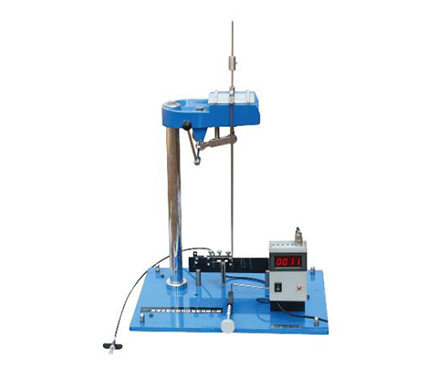
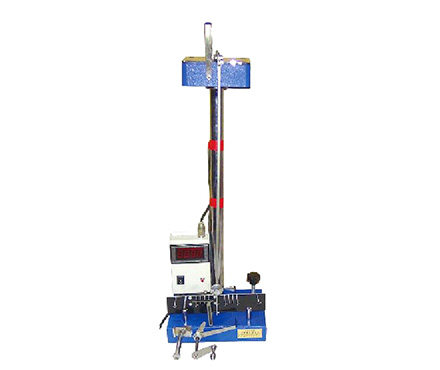
In the pendulum hardness testing, the commonly used instruments include the Konig pendulum (K pendulum for short) and the Persoz pendulum (P pendulum for short). These two testing instruments have been adopted by my country's national standard GB 1730 "Determination of paint film hardness Pendulum damping test".
K pendulum: The K pendulum is tested from 6 ° to 3 °. In the K pendulum test, two steel balls are embedded under the bar of the pendulum, and these two steel balls are in contact with the film template. By swinging the pendulum, apply pressure to the film, and then measure the time it takes to start swinging from a larger angle to a smaller angle.
P pendulum: The P pendulum is tested from 12 ° to 4 °. The principle of the P pendulum is similar to that of the K pendulum, and the hardness of the film is evaluated by the measurement of the swing time from larger to smaller angles.
Both test instruments are equipped with an optoelectronic-controlled counting device that automatically records the damping time of the swing.
Application
Swing bar hardness testing has a wide range of applications in the Coating industry:
Quality control: Manufacturers can use pendulum hardness testing to ensure that the hardness of the film meets product standards and customer requirements, thereby providing high-mass painting products.
Performance evaluation: Swing bar hardness testing helps evaluate film abrasion resistance, marring resistance, and Miscellaneous performance characteristics such as adhesion.
Film selection: Manufacturers can choose suitable Coating types and formulations according to the needs of different applications.
Film durability: Knowing the hardness of a film can help predict its durability and longevity in actual use.
The results of pendulum hardness testing are affected by factors such as the test environment, film thickness and substrate material. Therefore, when testing, it should be carried out under controlled temperature and Humidity conditions to ensure the accuracy of the test results.
Summarize
Swing bar hardness testing is an important test method for evaluating the hardness of films. It is widely used in the Coating industry to help manufacturers ensure product mass, evaluate film performance, and select Coatings suitable for different applications. The principle of swing bar hardness testing is simple and easy to operate. It is one of the indispensable tools in Coating engineering.
- 1Paints and varnishes Pendulum damping test method under ISO 1522
- 2GB/T1730 Interpretation of Koenig and Persaz pendulum damping test
- 3Pendulum damping test method for the determination of film hardness
- 4Film hardness testing method: pendulum hardness, pencil hardness, etc
- 5How much do you know about the difference between Konig pendulum and Persoz pendulum of Pendula Hardness Tester?
- 6Pendula Hardness Tester calibrating steps
- 7Determination method of paint film hardness - swing rod hardness, scratch hardness, indentation hardness
- 8How to calibrate the swing rod Hardness Tester?
- 9Swing rod Hardness Tester The difference between three kinds of swing rods: Koenig pendulum, Posaz pendulum, double pendulum