GB/T1730 Interpretation of Koenig and Persaz pendulum damping test
This standard introduces a test method for the measurement of Paints, varnishes and related coating hardness, the Koenig and Persaz pendulum damping test. This method assesses the hardness of coatings by observing the damping time. The shorter the damping time, the lower the hardness. This standard describes in detail the principle, instrument and operation procedure of the test, and provides information on calibrating and accuracy. In addition, the double pendulum damping test method and technical differences from the ISO 1522:1998 standard are introduced.
The coating hardness of Paints, varnishes and related products is one of the important parameters to measure their mass and performance. Coating hardness directly affects its scratch, abrasion and impact performance. Therefore, the development of an accurate hardness testing method is crucial for the Coating industry. Koenig and Persaz pendulum damping test is a method used to measure coating hardness, which will be described in detail in this article.
Principle
The Koenig and Persaz swing bar damping test is a swing bar-based test method used to evaluate the hardness of coatings. The principle is to place a swing bar on the surface of the coating, and then release the swing bar to observe the swing time of the swing bar within a certain amplitude range. The shorter the damping time, the lower the hardness of the coating.
Instrument
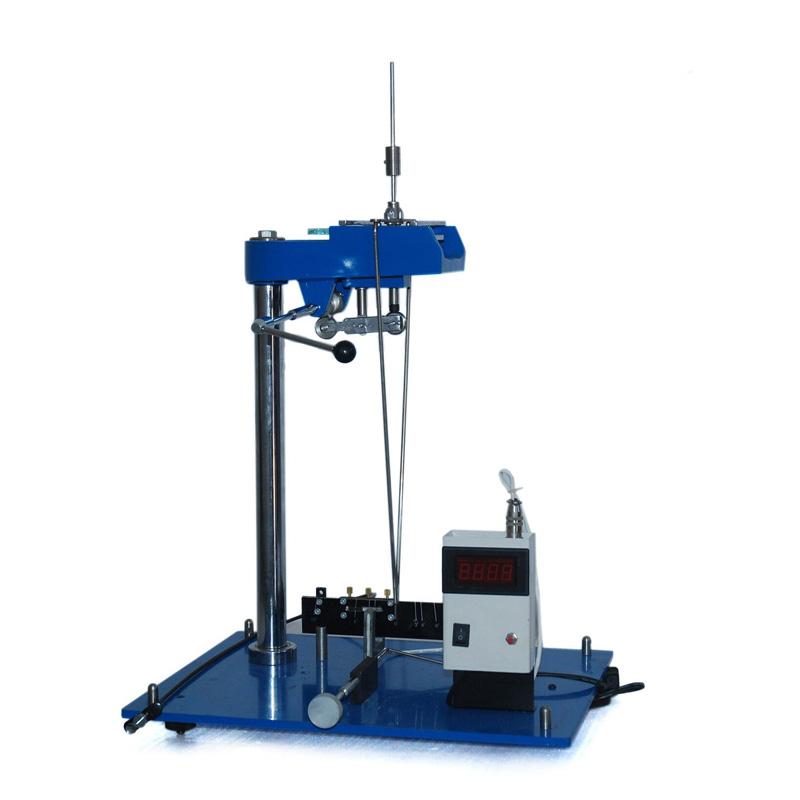
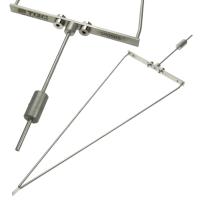
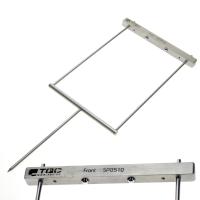
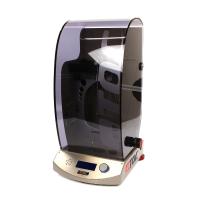
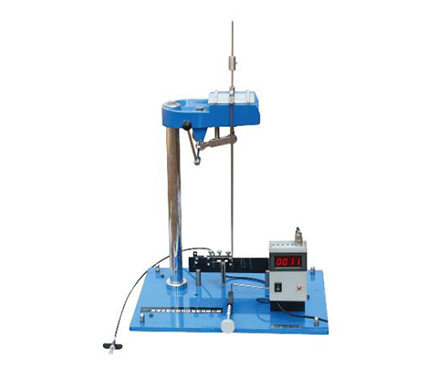
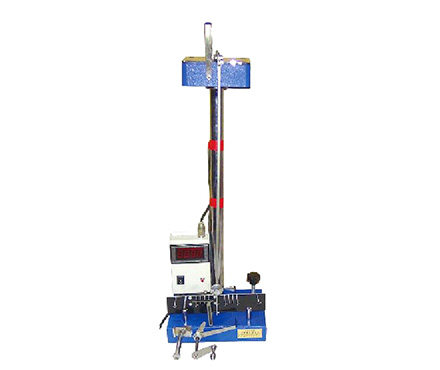
The Koenig pendulum and the Persaz pendulum are two commonly used pendulums that are used for different types of coating hardness testing, respectively. The Koenig pendulum features ball bearing support, while the Persaz pendulum uses stainless steel beads. Both pendulums need to swing on a flat table and are equipped with rulers and timing devices to record damping time.
Operation steps
Coating hardness testing involves calibrating the instrument, preparing the specimen, placing the swing bar, determining damping time, and recording data. Pay attention to environmental conditions, including temperature and Humidity.
Accuracy
The accuracy of coating hardness testing depends on the stability of the pendulum and the control of test conditions. This paper provides accuracy criteria for Koenig pendulum and Persaz pendulum, including Repeatability and deviation requirements.
Double pendulum damping test
In addition to Koenig and Persaz pendulum damping tests, this paper also introduces the double pendulum damping test method. This method uses two pendulum bars to test coating hardness, with different operating procedures and calibrating requirements.
Technical differences from ISO 1522:1998
Finally, the technical differences between this standard and the ISO 1522:1998 standard and their reasons are listed. This helps to understand the differences between the two standards and choose the test method that is suitable for the specific situation.
The Koenig and Persaz pendulum damping test is a commonly used method for the measurement of hardness of Paints, varnishes and related coatings. This paper describes the principle, instrument, operation steps, and calibrating and accuracy requirements of the method in detail. In addition, the double pendulum damping test method is introduced, and the technical differences with the ISO 1522:1998 standard are explained. By knowing this information, the Coatings industry can more accurately assess the hardness of coatings and ensure product mass and performance.
- 1Paints and varnishes Pendulum damping test method under ISO 1522
- 2Swing bar hardness testing: a method for evaluating film hardness
- 3Pendulum damping test method for the determination of film hardness
- 4Film hardness testing method: pendulum hardness, pencil hardness, etc
- 5How much do you know about the difference between Konig pendulum and Persoz pendulum of Pendula Hardness Tester?
- 6Pendula Hardness Tester calibrating steps
- 7Determination method of paint film hardness - swing rod hardness, scratch hardness, indentation hardness
- 8How to calibrate the swing rod Hardness Tester?
- 9Swing rod Hardness Tester The difference between three kinds of swing rods: Koenig pendulum, Posaz pendulum, double pendulum