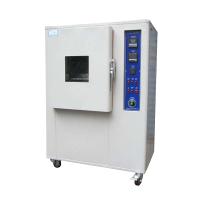
Film yellowing resistance and its determination
As the surface protective layer of various products, film will be affected by many factors during use, one of which is the influence of light, heat and electricity. When the film contains oil, the phenomenon of yellowing is a common problem. Yellowing will not only affect the appearance of the film, but also may damage the quality and market competitiveness of the product. In order to solve this problem, we need to detect the yellowing resistance of the film. This article will introduce the importance of yellowing resistance and detection methods, especially the instrumental determination method using GB/T 11186.2 method.
Concept
Yellowing resistance refers to the ability of a film to resist yellowing during use. This performance is especially important for coatings containing grease, as grease may generate yellow analysis substances during drying and oxidation, causing the film to yellow. Yellowing not only destroys the appearance of the product, but also may cause consumer dissatisfaction and reduce the market competitiveness of the product. Therefore, evaluating the yellowing resistance of films is crucial for manufacturers.
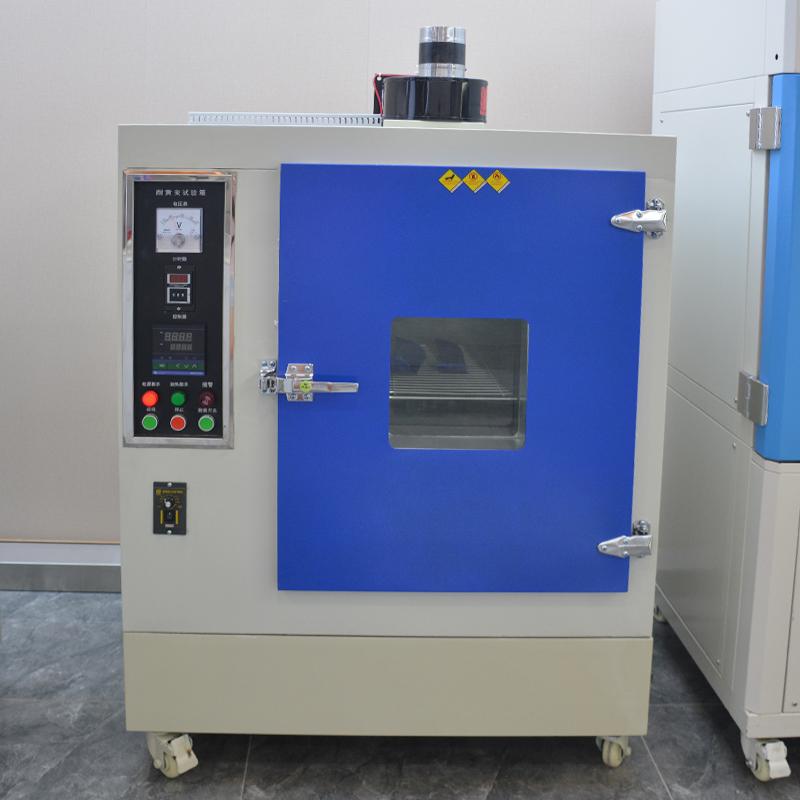
Detection method
In order to evaluate the yellowing resistance of films, the provisions of GB/T 11186.2 are usually used, which is a method based on instrumental determination. The following are the specific operation steps:
Prepare film samples to ensure that they meet product requirements, especially Color requirements.
Place the template in place in the color reader to ensure a stable Light source.
Use the color reader measurement template X, Y, Z values.
According to these Measured values, the yellowing degree value D is calculated, and the calculation formula is: D = (1.28X-1.06Z)/Y.
Based on the calculated D value, the yellowing resistance of the film can be evaluated. The lower the D value, the better the yellowing resistance of the film and the smaller the Color change. Conversely, the higher the D value, the easier the film is to yellowing.
Application
The yellowing resistance test of film is widely used in many Applications. In the field of home decoration and construction, the yellowing resistance of wall paints is very critical, because they are usually under bright rays of light and need to maintain color stability for a long time. In the automotive industry, automotive painting also needs to consider yellowing resistance to ensure that the body Color does not fading due to UV radiation. In addition, the coating of electronic product casings also needs to have good yellowing resistance to maintain the appearance quality of the product.
Conclusion
The yellowing resistance of film is one of the key performances to ensure product Appearance and quality. In order to evaluate the yellowing resistance of film, the instrumental measurement method of GB/T 11186.2-89 provides an accurate and repeatability method. This detection method has a wide range of applications and helps manufacturers provide high-quality, durable products to meet consumer demand for Color stability, while maintaining brand reputation and market competitiveness. Therefore, the research and detection of yellowing resistance is of great significance in the field of Coating detection.