Coating performance testing: leveling & sagging
With the popularity of modern assembly line construction, the construction performance requirements of Coating have become more and more stringent. From the era of manual construction to mechanized production, Coating construction performance has changed from simple smearing to exquisite film formation. To meet these requirements, we need a deeper understanding of Coating construction, leveling and sagging performance testing methods.
1. Construction
The construction performance of Coating mainly refers to the difficulty of Coating construction to the surface of the object to be coated. Coatings with good performance should be able to be easily applied, lame plating or scraping, and the resulting film should be quickly levelling without sagging, shrinking, wrinkling, bleeding or undercutting. For different construction methods, such as brushing, lame plating and scraping, there are unique construction detection methods.
Taking the national standard GB 6753.6 as an example, it specifies the brushing and flowability of Coatings in detail to ensure that the film is beautifully displayed on various surfaces such as steel, wood and cement boards. This large-area brushing test can effectively evaluate the construction performance of Coatings in practical applications.
2. leveling
Coating leveling refers to whether the Coating can quickly flow from an irregular and uneven surface state to a flat and smooth surface after construction. For Coating, this is a crucial performance.
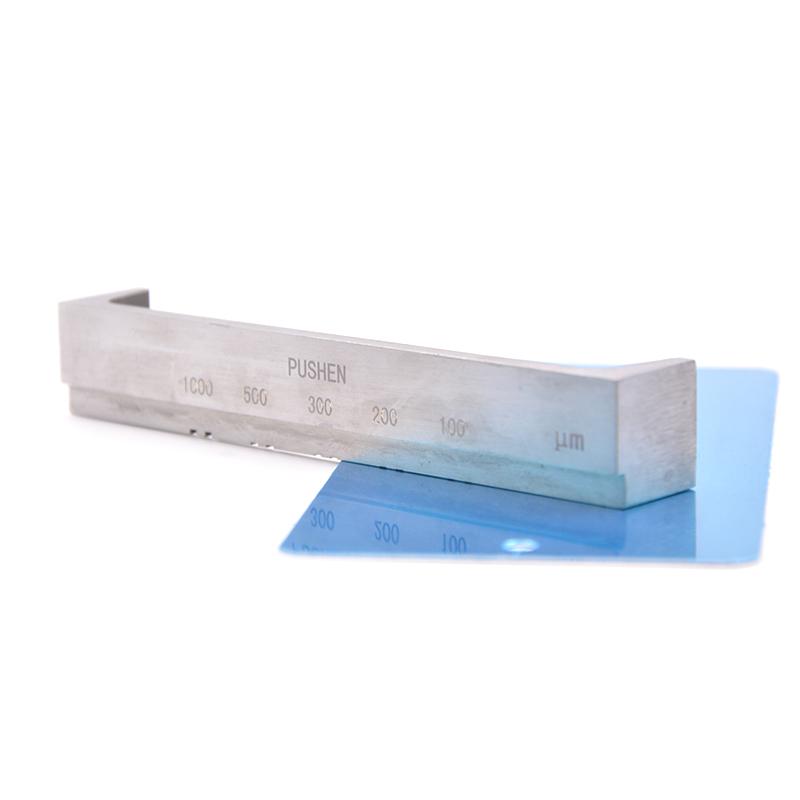
The national standard GB 1750 provides us with specific measurement methods for levelling, including brushing method and lame plating method. The brushing method requires observing how long it takes for the film to recover from brush marks to a smooth state. ASTMD 2801 in the United States uses a special drawdown blade to scrape Coatings into strip coatings of different thicknesses and observe their leveling, providing a rating method of 0 to 10.
3. sagging
Sagging describes the phenomenon that the upper part of the film becomes thinner and the lower part becomes thicker under the influence of gravity when Coating is applied on a vertical surface. This not only affects the appearance of the film, but also its performance. Therefore, proper sagging is the key performance that Coating should have.
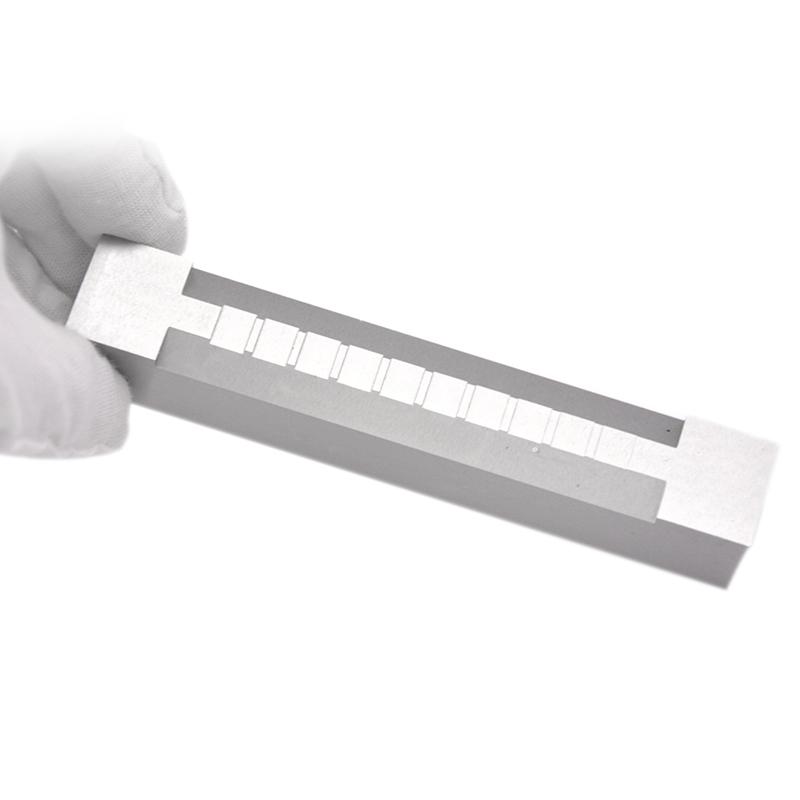
The Chinese national standard GB 9264 provides a detailed method for the determination of sagging property. First, a film of a certain thickness is coated on the test plate, and then it is placed vertically to observe the sagging phenomenon, so as to evaluate the sagging performance of the Coating.
Summarize
Modern Coating construction requires more than simple smearing, it involves various interactions between the Coating and the object to be coated. In order to ensure that the Coating can meet these high standard requirements, rigorous performance testing is essential. Through in-depth understanding and testing of Coating workmanship, leveling and sagging, we can ensure that the Coating can achieve the desired effect in various application scenarios and meet the requirements of modern production.
- 1Waterborne architectural coatings detection method
- 2Types, applications and evaluation methods of levelling agents
- 3Working mechanism and selection considerations of anti-shrinkage agent
- 4Coating surface tension and its effects
- 5Coating leveling and sagging
- 6Key Factors and Evaluation Methods of Coating Constructability
- 7Coating performance testing: ensuring the efficiency and mass of the painting process
- 8Coating levelling and sagging performance test
- 9Explore the method and application of Coating sagging test