Extender performance inspection and whiteness measurement in industrial applications
In the pigment and filler industry, performance testing is a crucial step in ensuring product quality. This article will explore in depth the importance of filler performance testing and the methods and applications of whiteness determination to help readers better understand these key industrial processes.
Part I:the importance of filler performance inspection
Fillers play a crucial role in the pigment and coatings industry. They are not only used to increase pigment volume, but also to adjust the performance of products. Different filler types have different performance characteristics, so performance inspections are required to ensure product consistency and quality.
Part II: Performance Differences of Different Fillers
Different fillers have great differences in chemical composition and physical properties. Therefore, only some fillers have the same performance test methods as pigments. For example, for pigments and fillers, it is usually necessary to measure parameters such as 105 ℃ volatiles, water solubility, sieve residue, oil absorption, and pH value of water suspension. However, for other performance test methods, different product varieties may require different methods, depending on the requirements of the product.
Part III: Determination of whiteness
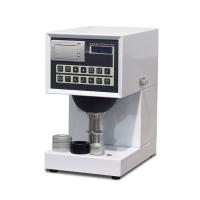
Whiteness is an important parameter to measure the performance of fillers. It reflects the color and reflection characteristics of fillers and is usually determined using instruments. In whiteness determination, the absolute reflectance of a standard whiteboard is used as a benchmark to determine the absolute reflectance of the specimen surface. This helps to evaluate the whiteness value of fillers and is crucial for pigment and filler manufacturers.
Part IV: Instruments and methods for measuring whiteness
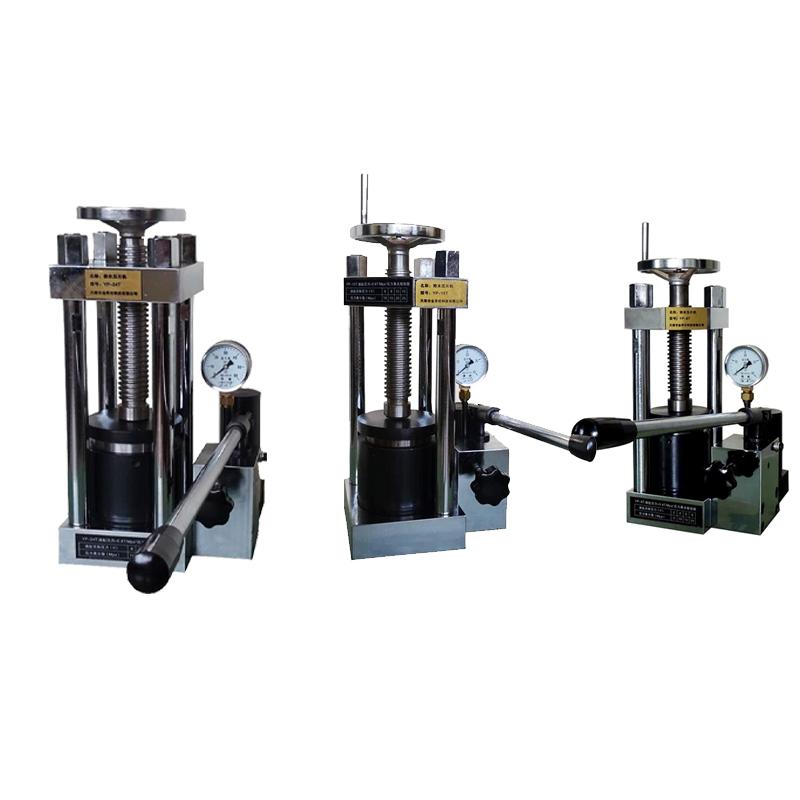
Whiteness measurement is usually carried out using a Colorimeter equipped with different geometric lighting conditions, such as d/0 or 45/0, and covering the wavelength range between 380 and 780nm. During the measurement, a powder sample press is required to prepare the sample to ensure that its surface is flat, free of texture, defects and stains. The instrument needs to be calibrated, using a transfer standard whiteboard and a working standard whiteboard to ensure the accuracy of the measurement.

Part V: Experimental Procedures for Whiteness Determination
Take a certain amount of sample, put it into the powder sample press, and press it into a flat surface test plate. Usually three test plates need to be prepared to ensure consistency.
Using a transfer standard whiteboard and a working standard whiteboard, calibrate according to the instrument instructions to ensure the accuracy of the measurement.
The three sample plates are respectively placed on the measuring holes, the absolute reflection ratio of each sample plate is measured, and the average value of the measurement results of the three sample plates is taken.
Part VI: Presentation and Calculation of Results
The results of the whiteness measurement are expressed as the arithmetic mean of the measurements of the three samples, and the results are usually reported to one decimal place.
Part VII: Reference Standards
In order to ensure the consistency and comparability of tests, whiteness determination usually follows national and international standards, such as GB/T 19590-2004 "Ultrafine Calcium Carbonate".
Part VIII: Conclusion
Filler performance inspection and whiteness determination are critical steps in ensuring product quality in the pigment and filler industries. With proper performance inspection and whiteness determination, manufacturers can ensure that products meet specific requirements, improve product performance, reduce costs, and reduce adverse environmental impacts. Proper application of these industrial processes is essential to ensure product quality and market competitiveness.