Determination of melt viscosity: revealing key properties of polyester resins and coatings
Melt viscosity is a key physical property used to measure the flow characteristics of polyester resins, powder coatings, and other substances that are solid at room temperature but melt when heated. This property is critical for many industrial applications, such as the preparation of powder coatings, the production of polyester resins, and the performance of coatings. This article will introduce the determination method, principle, and important applications of melt viscosity in industry.
1. Scope and description
The melt viscosity test method is suitable for a variety of fields, including coatings, plastics, polyester resins, etc. It is mainly used to determine the internal resistance of these substances in the molten state in order to better understand their fluidity under different conditions. For paint manufacturers, understanding the melt viscosity is one of the key factors to optimize the production process and ensure product quality. In the production of polyester resins, controlling the melt viscosity can affect the performance of the product and the application field.
2. Principle
The principle of melt viscosity testing is to measure the fluidity of a substance by applying shear forces at a constant temperature. In the test, the substance is in a molten state, forming a layer of fluid that is static at the bottom and a layer of moving fluid driven by a rotating cone above. The velocity layer between these two layers causes changes in internal viscosity, converting resistance into a viscosity reading.
3. Instruments and materials
Balance (accurate to 0.001g)
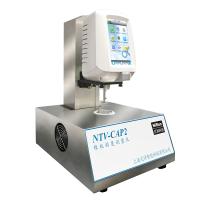
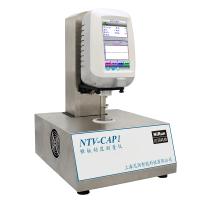
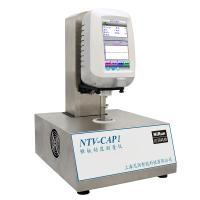
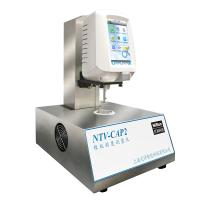
ICI cone-plate viscometer: ICI cone-plate viscometer usually consists of a controlled thermostatic Heating Plate, rotating cone, torque converter, and reading display system. This instrument can be used to determine the melt viscosity of substances at different temperatures.
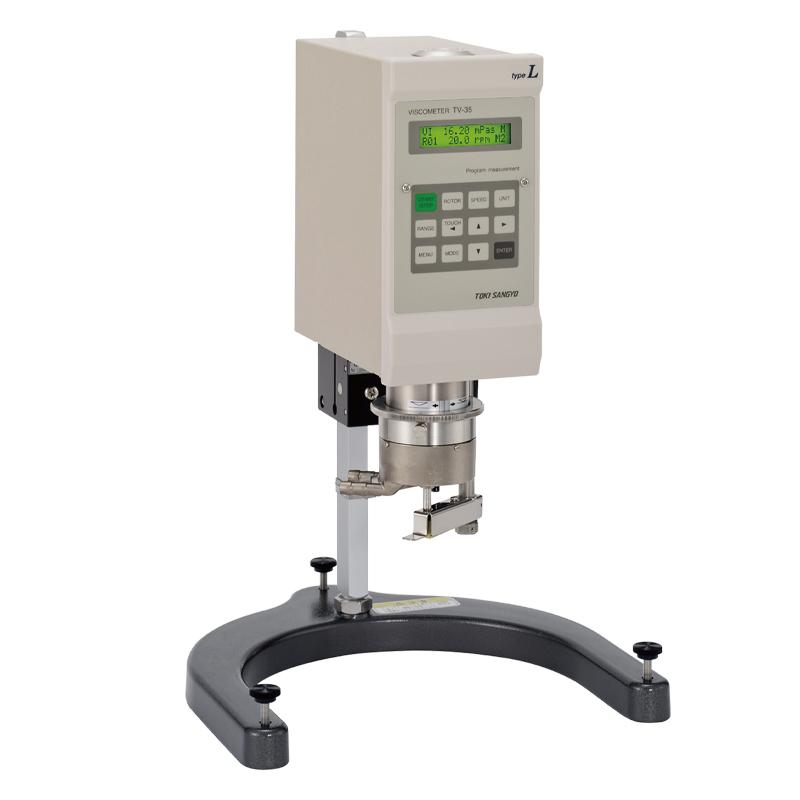
4. Determination method
Perform parallel assays of two specimens. First, place an appropriate amount of the tested sample between clean cone plates. Then, heat the sample to a set temperature, usually at 150 ℃ or 175 ℃, etc. Once the sample has melted and is constant at the selected temperature, start the rotating cone and wait for the viscosity indication to stabilize before recording the reading.
5. Display of results
Take the average of the two measurements and report the test results to one decimal place.
6. Reference standards and references
The determination of melt viscosity is detailed in standards such as the international standards organization (ISO) and the German industrial standard (DIN). For example, ISO 28841-1 covers the determination of viscosity by rotary viscometers, while DIN 53214 specifically deals with the determination of paints and varnishes.
7. application field
Melt viscosity testing is widely used in a variety of industrial fields. Here are some examples of applications in the main fields:
A. Polyester resin production: In the manufacture of polyester resins, the melt viscosity test is used to control the quality of the polyester resin and ensure that it meets the requirements of a specific application. Different types of polyester resins may have different melt viscosities, so this test can help manufacturers precisely control the characteristics of the product.
B. Powder coating preparation: For powder coating manufacturers, it is essential to understand the melt viscosity of the coating at different temperatures. This helps to optimize the spraying process and ensure that the coating has proper fluidity and adhesion when applied.
C. Plastic processing: Plastic product manufacturing requires testing the melt viscosity of raw materials to ensure that they can exhibit appropriate fluidity and processability during processing such as injection molding or extrusion.
8. Conclusion
The determination of melt viscosity is essential for a variety of industrial applications, especially in the fields of polyester resins, powder coatings and plastics processing. By understanding the fluidity of a substance at different temperatures, manufacturers can accurately control the properties of a product, ensuring that it performs optimally in a specific application. Melt viscosity testing is a simple yet effective method that is widely used in industrial practice. Detailed guidance is provided by different standards and references to ensure accuracy and repeatability of the test.
- 1Determination of thermal plasticity Resin melt flow rate
- 2Molecular weight and distribution characteristics of polyester resin in thermosetting powder coatings
- 3Density Determination Method and Application
- 4Determination method of cone-plate viscometer and its application
- 5Thermal plasticity polyvinyl chloride (PVC) powder coatings in highway engineering: technical requirements and inspection methods
- 6Determination of compatibility of powder coatings: methods, effects and applications
- 7Evaluation of flowability of powder coatings: key factors and significance
- 8Evaluation and Application of Optical Properties of Powder coatings
- 9Importance of powder coatings curing degree and detection method