Film water resistance testing: theory and application
In the coatings industry, the water resistance of the coating film is a key performance parameter. This not only determines the actual application range of the coating, but also the long-term stability and durability of the coating. In order to ensure the high quality of the coating, it is essential to conduct exhaustive water resistance tests.
The importance of coating water resistance testing
Water resistance refers to the degree to which the physical and chemical properties of a coating film change under prolonged exposure to water or water vapor. Good water resistance means that the paint retains its color, luster and adhesion in humid or water-soaked environments. This is especially important in applications such as ships, bridges, outdoor furniture and building exteriors.
Test materials and instruments
1. Baseplate: The baseplate is required to be flat, free of distortion, and free of any visible cracks and wrinkles. Generally, 120mmX25mmX (0.2~ 0.3) mm tinplate is used.
2. Water: Use distilled or deionized water to ensure pure water quality to reduce interference from other factors in the test results.
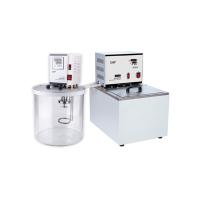
3. Glass sink: used for soaking the test plate.
4. Test plate preparation: Except for special regulations, prepare the coating film on the tinplate according to the specified method to ensure that the coating film is uniform and free of defects.
5. Coating film thickness determination: ensure the consistency of coating film thickness to ensure reliable test results.
6. Test board edge treatment: Use a mixture of paraffin and rosin to seal the edge to prevent water intrusion at the edge.
Determination method
1. Immersion test method:
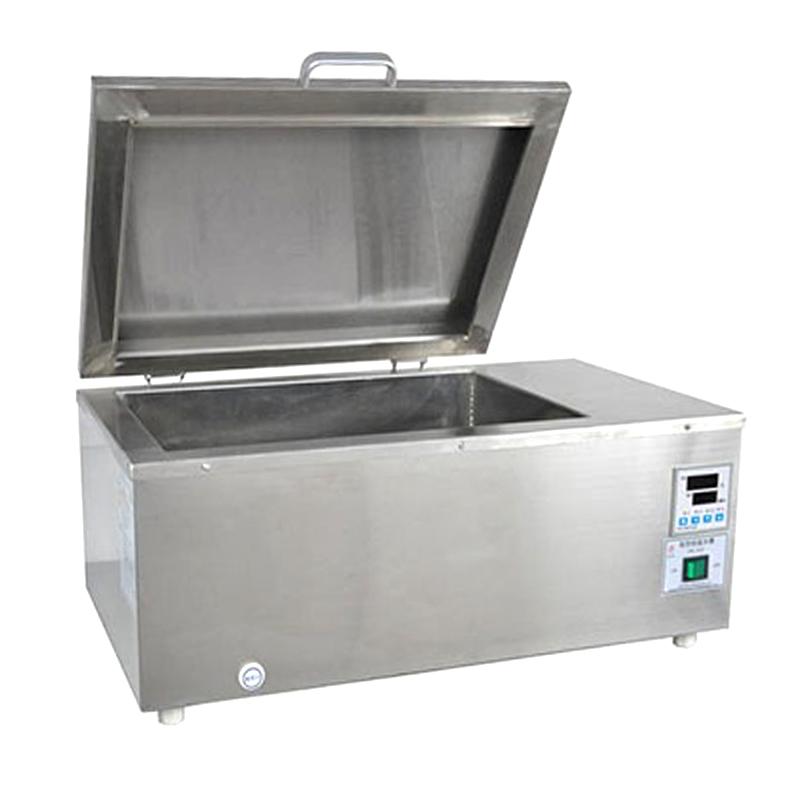
- Test plate soaking: Add distilled or deionized water to a glass sink, adjust the water temperature to 23 ± 2 ℃, and soak 2/3 of the three test plates in water.
- Test board inspection: After the specified soaking time, remove the test board, absorb the surface moisture, and perform a visual inspection to observe whether there is loss of light, discoloration, foaming, wrinkling, falling off, rust, etc.
2. Soaking in boiling water test method:
- Test plate soaking: Add distilled or deionized water to a glass sink, keep the water boiling, and soak two-thirds of the three test plates in water.
- Test plate inspection: same as the immersion test method, check the change phenomenon of the coating film.
Evaluation of results
For the results of the measurement, if at least two of the three test plates meet the technical requirements of the product, the water resistance of the coating is determined to be qualified.
Reference standards
The national standard GB/T 1733--93 "Determination of water resistance of paint film" provides authoritative guidance for this test, ensuring the professionalism and accuracy of the test.
conclusion
The water resistance test of the coating film not only provides a strong guarantee for consumers about the quality of the coating, but also provides intuitive feedback on the product performance for the coating manufacturer. Through standardized test methods, the stability and durability of the coating in practical applications can be guaranteed to meet the needs of various application scenarios.