The Critical Study of Coating Specimen State Adjustment and Test Temperature Humidity
The quality and performance of coatings often depend on a variety of factors, among which the condition adjustment of the sample and the temperature and humidity environment of the test are undoubtedly crucial. In order to ensure the quality and performance of the coating, the condition adjustment of the coating sample and the temperature and humidity environment of the test must be properly controlled and managed.
1. Concept of state regulation and test environment
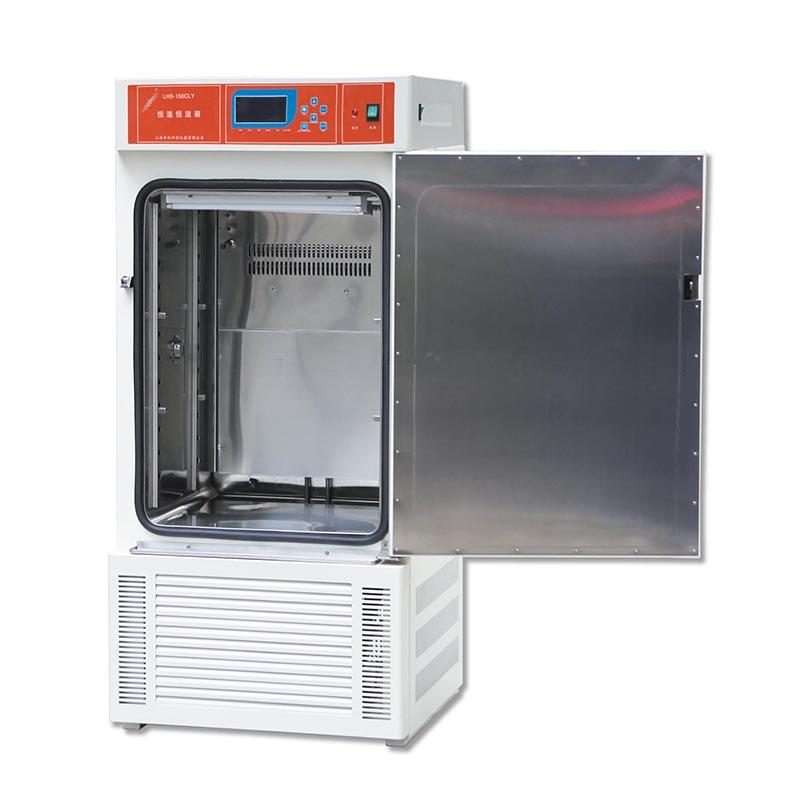
The condition adjustment environment refers to the environment in which the coating sample is exposed before testing, while the test environment is the environment in which the sample is exposed during the entire test period. These two environments are mainly defined by the specified values of two parameters, temperature and relative humidity, or one of the parameters, and remain within the allowable range within the specified time.
2. Temperature and humidity requirements for paint samples
In coating testing, there are two main temperature and humidity conditions:
Standard conditions: Temperature is 23 ± 2 ℃ and relative humidity is 50 ± 5%. This is a commonly used condition and is suitable for most paint samples.
Standard temperature: The temperature is 23 ± 2 ℃, and the relative humidity is the ambient humidity. In some specific tests, such as the determination of viscosity or consistency, the temperature control range may need to be more stringent, with a maximum of ± 0.5 ℃.
It should be noted that for places where it is difficult to maintain the above two conditions or for non-arbitration purposes, other temperature and humidity conditions may be specified. However, regardless of the conditions, the final experimental results should be specified in detail.
3. Condition adjustment of the sample
The condition adjustment of the coating sample is mainly to ensure the balance between the sample and the test environment. This usually requires the determination of the state adjustment time according to the specific test method.
In order to ensure the stability and reliability of the specimen, the specimen should avoid direct exposure to sunlight during the condition adjustment process, and the surrounding environment should be kept clean. In addition, a distance of at least 20mm should be maintained between the specimen and the wall of the specimen and the adjustment box.
4. Presentation of test results
In most cases, the coating sample should be tested under the same environmental conditions as its condition adjustment. If other temperature and humidity conditions are used, these conditions must be specified in the test results.
5. Reference standards
This paper refers to the national standard GB/T 9278-2008 "Temperature and Humidity of Condition Adjustment and Test of Coating Specimens" and the international standard ISO 3270:1984 "Paints, Varnishes and Their Raw Materials - Temperature and Humidity of Condition Adjustment and Test". These two standards provide authoritative guidance and suggestions for the condition adjustment and test temperature and humidity of coating samples.
conclusion
The performance and quality of coatings are largely influenced by the temperature and humidity environment in which their specimens are conditioned and tested. In order to ensure the high quality of coatings, coating production and R & D units must strictly follow relevant standards and recommendations to control and manage the temperature and humidity environment in which the specimens are conditioned and tested. Only in this way can the stability and long-term reliability of coatings be ensured.