Ultraviolet Aging of Polyethylene (PE) coatings and Its Effects
In modern industrial fields, especially in the construction of underground pipelines, coating materials play a crucial role. Polyethylene, as a common coating material, has received extensive attention due to its excellent anti-corrosion properties. However, what happens to this material when exposed to ultraviolet rays? The UV aging phenomenon of polyethylene coatings can affect their performance, so it is crucial to carry out relevant aging tests.
1. Background and scope of the test method
In pipeline corrosion protection, the main function of polyethylene coating is to protect the pipeline from corrosion and extend its service life. Considering that the pipe coating near the ground may be exposed to direct sunlight, UV aging inspection has become a necessary step.
2. Key inspection equipment and materials
In order to simulate actual environmental conditions and perform effective aging tests, we require the following equipment and materials:
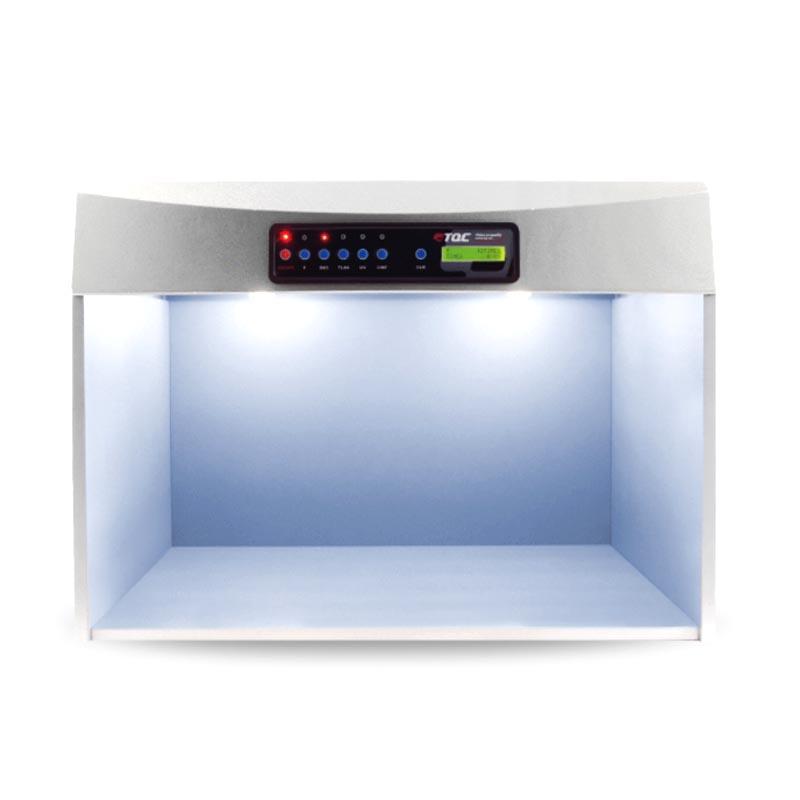
Test chamber: This is a specially designed equipment containing 8 fluorescent ultraviolet lamps, heating tanks, sample holders, and a system for controlling and recording operating time and temperature. In addition, it can simulate the environmental cycle of fluorescent ultraviolet and condensation, and more accurately reflect the ultraviolet radiation in the natural environment.
Lamps: Specially selected lamps can emit ultraviolet rays in the range of 280-350nm, with a maximum intensity wavelength of 340nm, which is very close to the ultraviolet band in natural sunlight.
Universal testing machine or Tensile Testing Machine: After the aging process is completed, these devices are required to test the tensile strength and elongation at break of the coating material.
3. Specific steps of inspection
Preparation of standard specimens: According to the regulations, dumbbell-shaped specimens need to be prepared, and their specific size design is helpful for subsequent tensile testing.
Simulated UV irradiation: Specimens are exposed to UV light under specific temperature and time conditions, simulating the aging process that may occur in the actual environment.
Performance testing: After aging, it is necessary to test the tensile strength and elongation at break according to national standards, which can visually display the performance changes of polyethylene coating materials.
4. Analysis and interpretation of the results
After the test is completed, the UV resistance of the polyethylene coating can be judged by comparing the data before and after aging. Usually, we are concerned about the performance retention rate after photoaging, which can intuitively represent the stability and durability of the material.
5. Reference standards
The process of conducting these tests and analyzes is based on the relevant national standards. Among them, GB/T 23257-2009 covers the relevant regulations of the polyethylene corrosion protection layer of buried steel pipelines; while GB/T 1040.1-2006 and GB/ T 1040.2-2006 provide detailed guidance for the determination of the tensile properties of plastics and the test conditions of molded and extruded plastics, respectively.
6. Conclusion
Ultraviolet aging is an important issue that polyethylene coatings must face. Effective inspection and evaluation methods can help us better understand the stability and reliability of this material in practical applications, thus providing a solid foundation for its wide application in the industrial field.