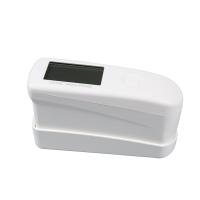
Evaluation and Application of Optical Properties of Powder coatings
With the increasing development of materials science and surface treatment technology, coating technology has been widely used in many application fields. In particular, powder coatings have become a very important coating method in the industrial field due to their superior surface texture, uniform coating effect and environmental friendliness. But how to evaluate the optical properties of these coatings and how to ensure that these coatings meet specific application requirements are important issues facing the coating industry today.
Part 1: Definition of Optical Properties of Powder Coatings
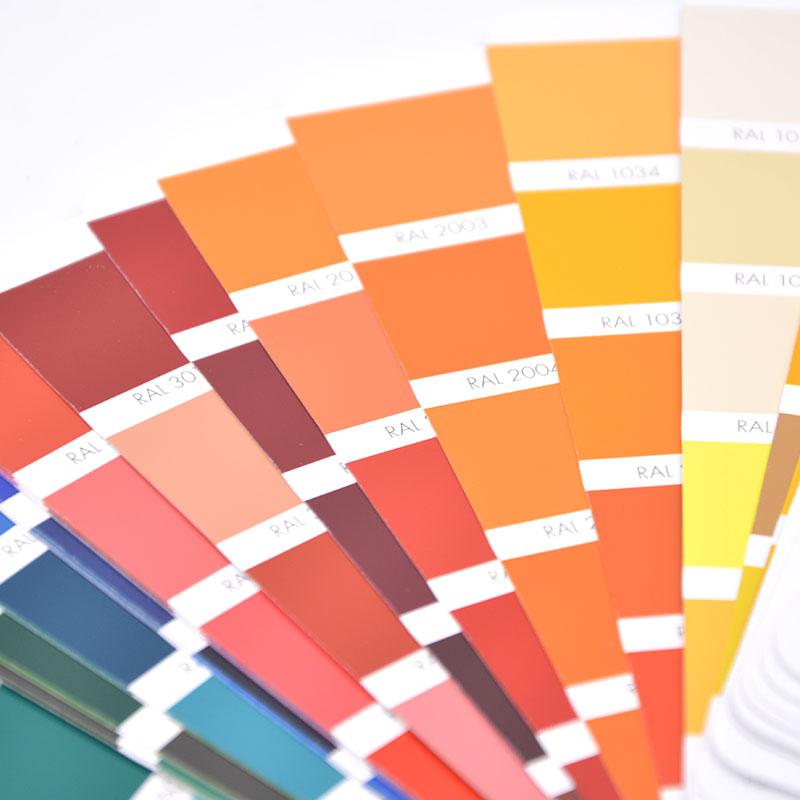
When we talk about the optical properties of coatings, we are actually talking about the interaction of the coating with visible light. There are several factors involved, such as color, chromatic aberration, gloss, and conditional color scheme phenomena. The evaluation of these factors is not only related to the appearance of the coating, but also to its functional performance.
Color: Color is the reaction of people to the light reflected or transmitted by an object, and it is our subjective judgment on the appearance of a substance. For coatings, color selection and stability are one of their main performance indicators.
Color difference: In practical applications, we often need to ensure that the color of the coating matches the predetermined or standard color. Color difference is an indicator that describes the difference between two colors.
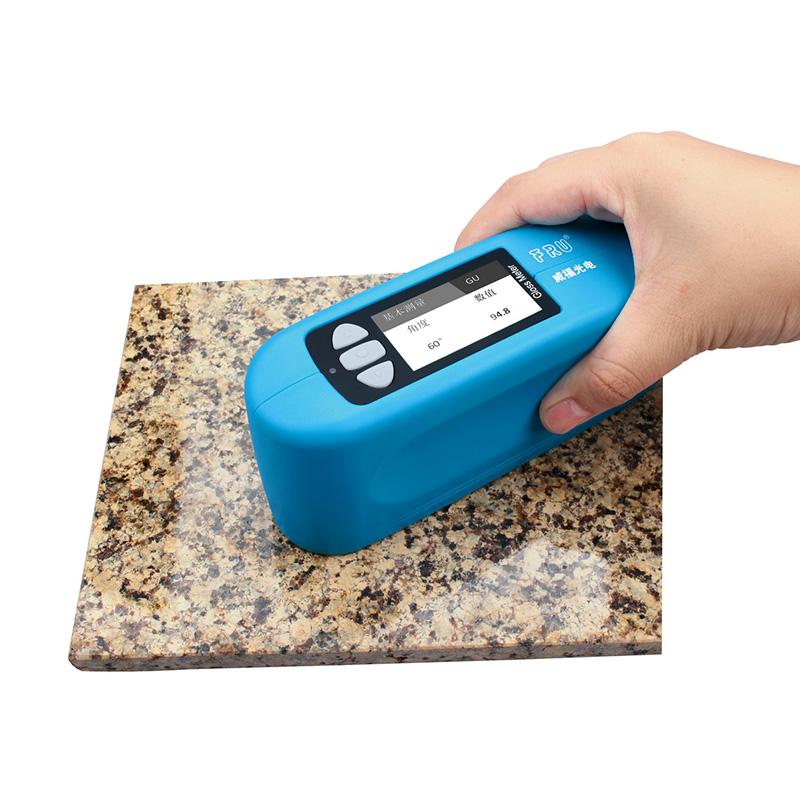
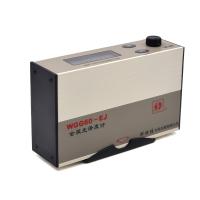
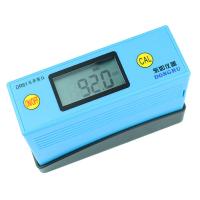
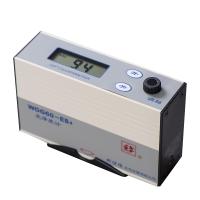
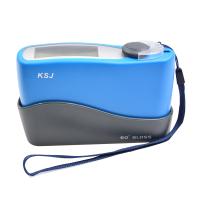
Gloss: Gloss is the ability of the coating surface to reflect light, which is directly related to the appearance of the coating.
Conditional color scheme: This refers to the phenomenon that two colors look similar under certain lighting conditions, but their spectral characteristics are different.
Part II: Methods for evaluating optical properties
For the optical properties of powder coatings, there are a series of standardized test methods. These test methods can be roughly divided into two categories: visual evaluation and instrument testing.
Visual evaluation: This method relies primarily on the human eye's visual perception of factors such as color and gloss. For example, according to ASTM D4449, the gloss difference between two coatings can be visually evaluated.
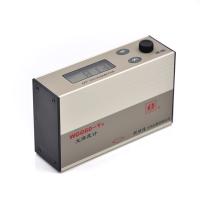
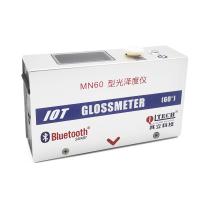
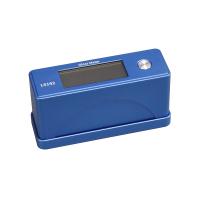
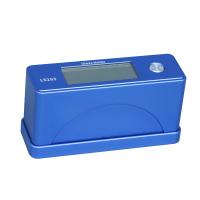
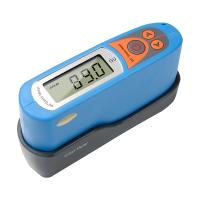
Instrument testing: Compared with visual evaluation, instrument testing is more objective and accurate. With specific optical instruments, the spectral characteristics, gloss, color and other parameters of the coating can be accurately measured.
Part 3: Optical Properties and Coating Applications
The optical properties of powder coatings are not only related to their appearance, but also closely related to their functional performance in practical applications. For example, high-gloss coatings are more popular in decorative applications, while specific colors and color aberrations may be related to the concealment or recognition of the coating in a specific environment.
In addition, the optical properties of the coating also directly affect its compatibility with the substrate and the stability of the coating in a specific environment. Therefore, accurate evaluation of the optical properties of the coating is essential to ensure its performance in practical applications.
Part IV: Conclusion
The optical performance of powder coatings is one of its important performance indicators, and its correct evaluation is of great significance to ensure the functionality and appearance of coatings. With the further development of coating technology, we believe that the research and evaluation of the optical properties of coatings will be further deepened and improved.

- 1Gloss inspection method of slurry inks
- 2Principle and Application of Glossiness Tester
- 3Working Principle and Application of Metal Gloss Meter
- 4Basic principle and application analysis of insulating paint gloss Detector
- 5Working principle and application analysis of film Glossmeter
- 6Principle and application analysis of microporous gloss meter
- 7 FZ/T 01097 Analysis of fabric gloss test method
- 8Determination of thermal plasticity Resin melt flow rate
- 9Molecular weight and distribution characteristics of polyester resin in thermosetting powder coatings