Chlorinated rubber anti-corrosion coatings: stability and wide application
introduction:
Chlorinated rubber anti-corrosion coating is a coating with good stability and corrosion resistance, and is widely used for coating anti-corrosion equipment. This article will introduce in detail the characteristics, preparation methods of chlorinated rubber anti-corrosion coatings and its wide application in chemical industry, metallurgy, oil fields and other fields.
Characteristics of chlorinated rubber:
Chlorosulfonated polyethylene rubber is a special rubber material with no unsaturated bonds in its molecular chain, large molecular weight, sufficient amorphization, and an appropriate amount of chlorine atoms, sulfur atoms and chlorosulfonyl groups. These features enable the following good performance:
Stability: Since there are no unsaturated bonds in the molecular chain of chlorosulfonated polyethylene rubber, it has excellent stability and is not easily affected by chemical reactions.
Corrosion resistance: Chlorinated rubber anti-corrosion coating contains chlorine atoms and sulfur atoms. These elements give it excellent corrosion resistance and can effectively protect the coated surface from corrosion.
Preparation:
The preparation method of chlorinated rubber anti-corrosion coating includes the following key steps:
Masticating rubber: First, butyl rubber and chlorosulfonated polyethylene are masticated on an open mill to fully mix them.
Adding additives: During the mastication process, add magnesium oxide, antioxidants and accelerators to ensure uniform mixing.
Dissolution: Add the uniformly mixed rubber slices into some solvent and chlorinated rubber to dissolve, and then grind them through the ink roller.
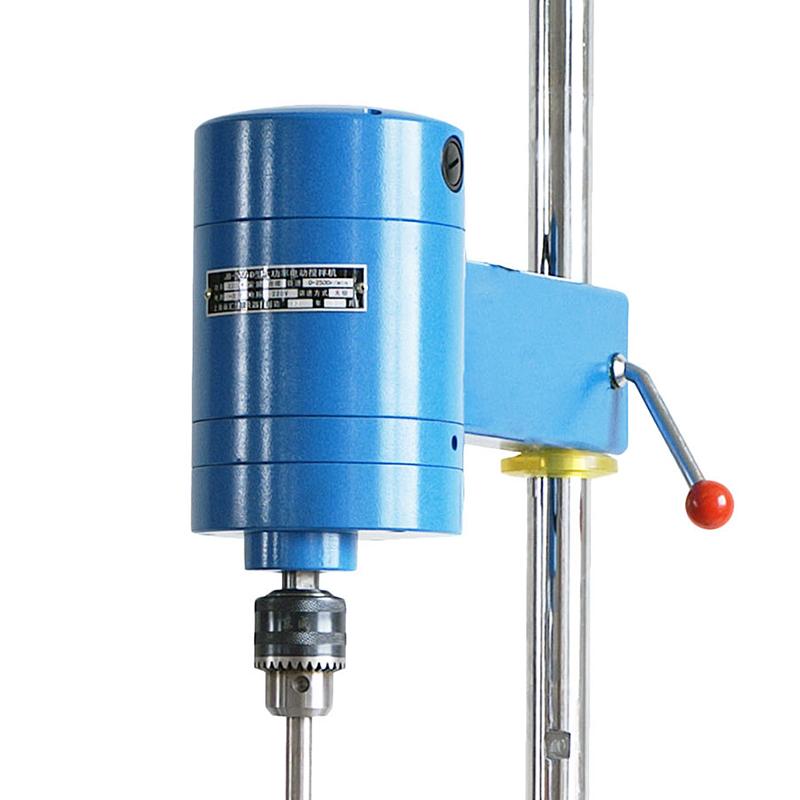
Final Mixing: Finally, add the remaining solvent to the mixture and, after thorough stirring, obtain a uniform coating.
Application scope:
Chlorinated rubber anti-corrosion coatings perform well in a variety of applications. Here is a brief introduction to their main areas of application:
Anti-corrosion treatment of the inner surface of sewers and drainage pipes: Because this coating has good flexibility, impact resistance, cold resistance, heat resistance, and excellent sealing performance after hot and cold cycles, it is widely used for anti-corrosion treatment of the interior of sewers and drainage pipes to ensure that the pipelines Long-term reliable operation.
Chemical industry: Chlorinated rubber anti-corrosion coatings are widely used in coating chemical equipment, which can effectively protect equipment from chemical corrosion.
Metallurgical industry: In the metallurgical field, this coating can be used to coat metallurgical equipment to provide corrosion resistance and extend the service life of the equipment.
Oilfield equipment: Oilfield equipment is often corroded by harsh environments and chemical substances. The application of chlorinated rubber anti-corrosion coatings in this field can effectively protect the equipment and ensure the smooth progress of oilfield operations.
Summarize:
Chlorinated rubber anti-corrosion coatings are widely used in many industrial fields due to their good stability and corrosion resistance. Through careful preparation methods, this coating can provide good coating protection, extend the service life of equipment and structures, and reduce maintenance costs. In the future, as the performance requirements for anti-corrosion coatings continue to increase, chlorinated rubber anti-corrosion coatings will continue to play an important role in the industrial field, providing reliable protection for various equipment and pipelines.