Water-based epoxy coatings are prepared and widely used
introduction:
Waterborne epoxy coatings are a popular innovative product in the coatings industry, offering good performance and environmental properties for a variety of applications. This article will introduce in detail the preparation method of water-based epoxy coatings and its wide range of applications, providing readers with the opportunity to gain an in-depth understanding of this coating technology.
Preparation:
The preparation method of water-based epoxy coating is a complex but efficient process, which includes the following key steps:
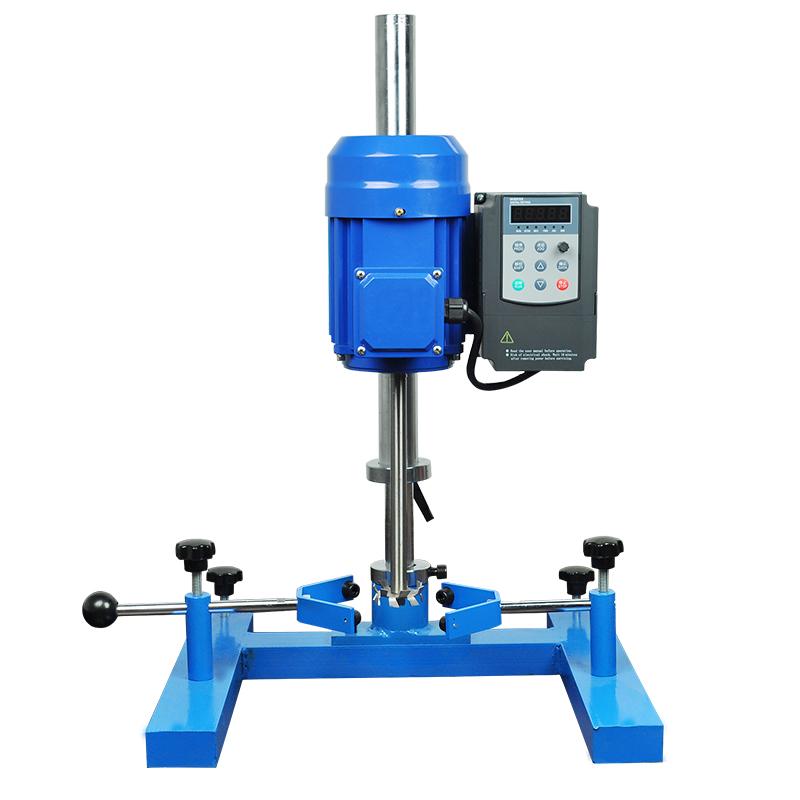
Adding deionized water and dispersant: First, deionized water and dispersant need to be injected into the high-speed disperser. Deionized water is the base of water-based coatings, and dispersants help disperse solid particles evenly in liquids to ensure the stability and uniformity of the coating.
Addition of pigments: Next, a series of pigments need to be added, including titanium dioxide, precipitated barium sulfate and mica powder. These pigments not only affect the color and appearance of the paint, they also provide the paint with hiding power and weather resistance.
Partial addition of defoaming agent: In order to prevent the generation of bubbles in the paint, it is necessary to partially add defoaming agent to ensure that the paint surface is smooth and free of pores.
High-speed dispersion and grinding: Place all the ingredients in a high-speed disperser, and through the process of high-speed dispersion and grinding, the paint is made into a slurry, and the pigment is evenly dispersed into the solution to achieve the ideal fineness (25pm).
Addition of epoxy resin emulsion and other additives: Once the slurry reaches the ideal state, water-based epoxy resin emulsion, black slurry, blue slurry, leveling agent, thickener and substrate wetting agent can be added. The selection and proportion of these additives will directly affect the performance and application characteristics of the coating.
Final Mixing: The final step is to stir all ingredients together to ensure that the various components of the paint are thoroughly mixed together for optimal performance.
Application scope:
Waterborne epoxy coatings are widely used in many fields due to their excellent properties. Here is a brief introduction to some of the main application fields:
Industrial Floor Coatings: Water-based epoxy coatings excel at protecting and beautifying industrial floors. They are resistant to heavy machinery and chemicals while providing a solid floor surface.
Concrete Sealer Primer: A primer for concrete surfaces, water-based epoxy coatings enhance the durability of concrete, extend its service life, and provide protection against water and corrosion.
Interior Latex Paint: Water-based epoxy coatings offer an environmentally friendly and durable option when it comes to interior painting. Their low VOC (volatile organic compounds) formula makes them a good choice for indoor air quality.
Anti-corrosion coatings: Water-based epoxy coatings are widely used in the field of anti-corrosion, such as for the protection of pipelines, storage tanks and metal structures. They effectively resist corrosion and oxidation.
Wood coatings: For the protection and beautification of wood surfaces, water-based epoxy coatings are also suitable. They offer an environmentally friendly coating option that protects wood from moisture and sun damage.
Food container lining coating: In the food industry, hygiene and safety are of paramount importance. Water-based epoxy coatings can be used to coat internal food containers to ensure that the coating does not adversely affect the food.
Summarize:
Water-based epoxy coatings are known for their good performance and wide range of applications. Through careful preparation methods, they can meet the needs of different industries and play an active role in protecting and beautifying various surfaces. In the future, as environmental protection and sustainability requirements continue to increase, water-based epoxy coatings will continue to play an important role in the coatings market, providing more protection and beautification options for our lives and environment.
-
![RUNJIE RJ-M Adhesion Tester 14mm]() RUNJIE RJ-M Adhesion Tester 14mm$ 1237.00
RUNJIE RJ-M Adhesion Tester 14mm$ 1237.00 -
![RONGHUA instrument JJ-4A4 quadruple Overhead Stirrer digital synchronization machine]()
-
![RUNJIE RJ-M Adhesion Tester 50mm]() RUNJIE RJ-M Adhesion Tester 50mm$ 1360.00
RUNJIE RJ-M Adhesion Tester 50mm$ 1360.00 -
![RUNJIE RJ-M Adhesion Tester platings adhesion instrument 10mm]()
-
![CHINA Pull-off adhesion Detector NBC-M kit 10mm]()