Expandable polyethylene acetate latex fire-proof coatings: an excellent fusion of technology and protection
Expanded polyvinyl acetate latex fire retardant coating: an excellent fusion of technology and protection
Expanded polyvinyl acetate latex fire retardant coating is a striking innovative product that is widely used in construction, industry, and other fields with its excellent fire retardant performance and multifunctional properties. This article will delve into the preparation, components, working principle of expanded polyvinyl acetate latex fire retardant coating, as well as its application prospects in various fields.
One of the core properties of intumescent fire retardant coatings is their ability to expand and foam. When a fire breaks out, the paint expands rapidly and forms a foam layer, which not only effectively blocks oxygen but also has excellent thermal insulation properties. The foam layer can slow down the transfer of heat to the protected substrate, thereby effectively preventing the rapid spread of flames. What is more noteworthy is that the process of coating expansion to form a foam insulation layer is an endothermic reaction, which reduces the temperature of the system, thereby further improving the flame retardant and fireproof effects.
The main components of expanded polyvinyl acetate latex fire retardant coating include:
carbon source
Usually tripentaerythritol is used.
Foaming agent
Used to cause paint to expand and foam in the event of a fire. Common foaming agents include ammonium polyphosphate.
organic nitrogen compounds
A commonly used organic nitrogen compound is melamine.
These three components work together to form the foaming component, which is a key part of the expanded polyvinyl acetate latex fire retardant coating. In addition, the coating also includes other additives, such as dispersants, wetting agents, plasticizers, etc., to ensure the stability and performance of the coating.
Polyvinyl acetate emulsion, commonly known as white latex, is the base material of this paint. It is a high molecular polymer formed by the reaction of vinyl acetate and polyvinyl alcohol with emulsifiers. White latex has the characteristics of strong adhesion, short drying time, and good waterproof performance, so it has become an ideal base material and film-forming agent for preparing fire retardant coatings.
Chlorocarbon-70 is a key material used as a flame retardant. Its molecular formula is C5HCl2, and its relative molecular mass is approximately 401.42. Chlorocarbon-70 is a white or light yellow powdered resin with high flame retardant properties. It is mainly used as a flame retardant for rubber products, foam decorative boards, polyolefin and other materials. It is also used in PVC products, fabrics, packaging materials, adhesives and other fields. It is an indispensable filler and retardant in fire retardant coatings. fuel.
The method for preparing expanded polyvinyl acetate latex fire retardant coating includes the following steps:
First, add the carbon source, foaming agent and organic nitrogen compound to the high-speed disperser in the specified ratio, and stir and mix at high speed to ensure uniform dispersion.
Next, the mixed slurry is put into a sand mill for grinding and dispersion to achieve the desired fineness.
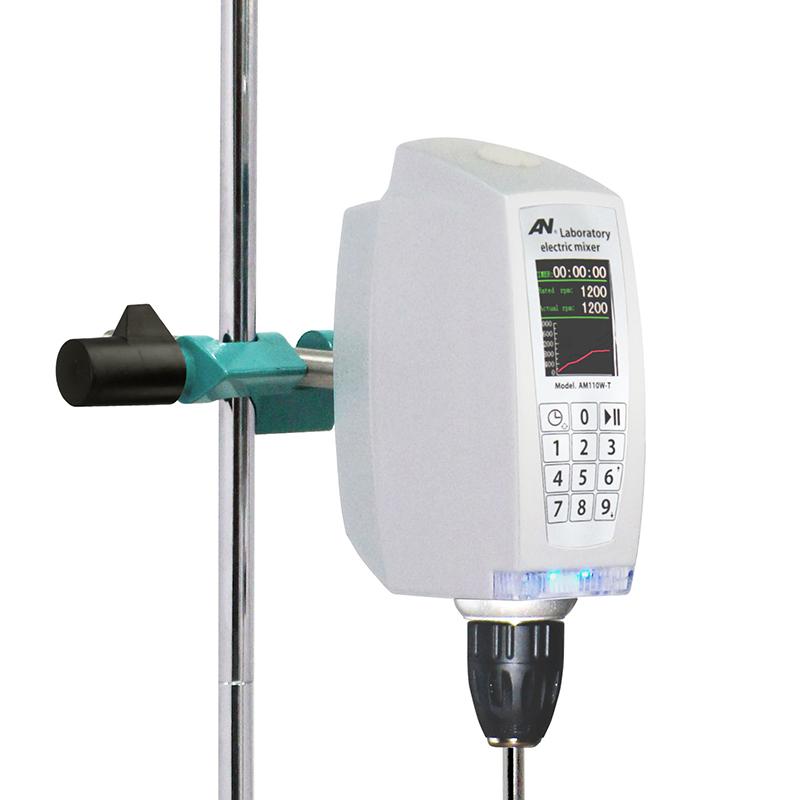
Finally, put the treated slurry into the paint mixing tank of a low-speed mixer, add the polyvinyl acetate emulsion, stir and mix thoroughly, and finally obtain the expanded polyvinyl acetate latex fire retardant coating.
Precise control of this preparation process and selection of ingredients are key factors in ensuring stable and efficient coating performance. The high fire resistance and multifunctional properties of coatings make them widely used in many fields.
In the construction field, expanded polyvinyl acetate latex fire retardant coatings are usually used for fire protection of walls, ceilings, pillars and other structures. It not only provides effective fire protection, but also beautifies the building surface and meets design requirements. In addition, it can reduce the flammability of building materials and improve the fire safety of the overall building.
In the industrial sector, this coating is often used for fireproofing industrial equipment, pipes and storage tanks. Industrial equipment often operates at high temperatures or pressures, making it prone to fires. The high temperature performance and flame retardant properties of expanded polyvinyl acetate latex fire retardant coatings make them ideal for protecting industrial equipment.
In the transportation sector, such as ships and vehicles, this coating is also widely used to improve the fire safety of transportation vehicles. It prevents the spread of fire on the vehicle and provides sufficient time for evacuation and fire extinguishing.
In short, expanded polyvinyl acetate latex fire retardant coating represents an excellent fusion of technology and protection. Its unique performance and multi-functional characteristics allow it to play a key role in various fields, protecting lives and property. With the continuous advancement of science and technology, we can expect that the performance of this fire retardant coating will continue to improve, providing more reliable fire protection for our social and economic activities.