Nondestructive measurement of dry coating thickness
1. Magnetic instruments are often used for dry coating thickness measurements on steel substrates. Non-magnetic operating equipment for use on non-ferrous metal substrates. Calibration of all coating thickness measuring instruments and coating thickness measurements should be performed in accordance with ASTM D1186 or ASTM D1400.
2. Determining the thickness of each coating in a multi-coat system should be a checkpoint, especially when each coating is of a different type. For example, if an inorganic zinc primer/epoxy midcoat/polyurethane topcoat system is specified, each layer should be measured to ensure the correct thickness, as a coating Thickness Gauge will not give a Find the thickness of each layer. When using non-destructive instruments to measure multi-layer coatings, the average thickness of the first layer must be determined before applying the second layer. Obviously, the result measured after the second layer has been applied will be the combined thickness of both coatings, and the specific thickness of the second coating can only be determined by subtracting the average thickness measured from the first layer.
3. Where practical, it is recommended that a method of indicating whether the coating thickness is too thin or too thick be provided so that the Coating Applicator can make appropriate repairs. Possible methods include brushing on a light coat of the same color, a compatible brush marker, chalk, or other easily removable material. Crayons or incompatible spray paints should not be used.
4. Coating thickness measurements are taken to provide reasonable assurance that the specified thickness is achieved. However, it is impossible to measure every square inch of surface. ASTM D1186 and D1400 both specify that when using a coating thickness measuring instrument, five separate point measurements should be made within each 9.3 square meter (100 square foot) area. Each point measurement consists of the average of three instrument readings taken within a circle 12.7 mm (1/2 inch) in diameter.
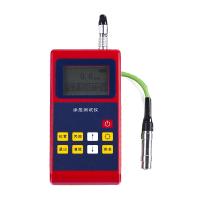
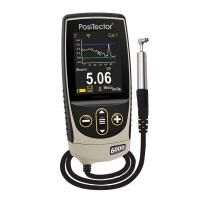
5. Non-destructive dry film thickness Measurement Instruments are divided into three basic categories: magnetic tensile Testers, electromagnetic probes and eddy current probes. Destructive dry film thickness Measurement Instruments are handled separately.
(1) Magnetic tensiometer
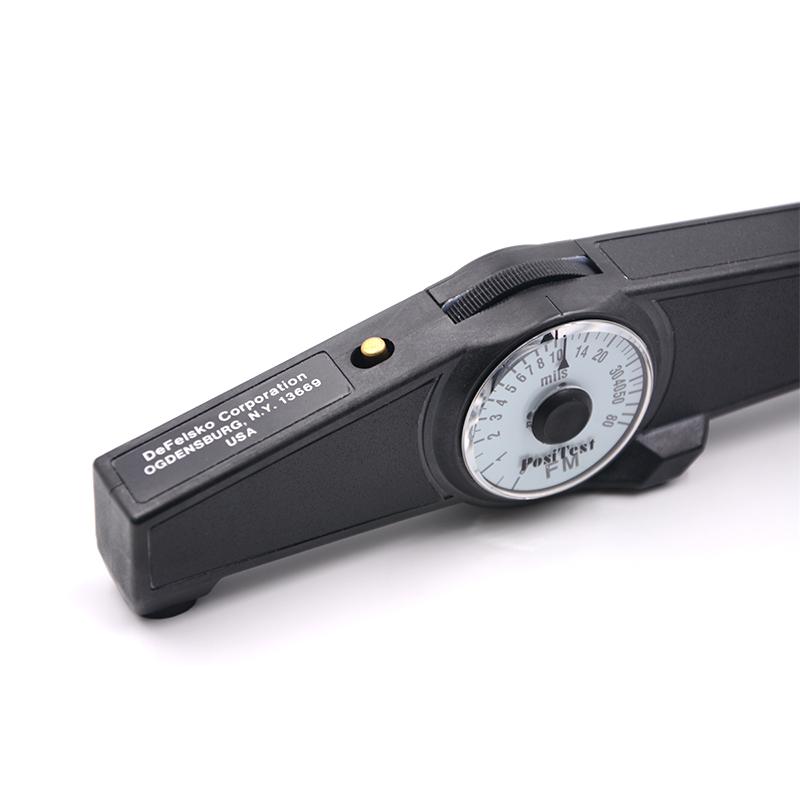
Magnetic tensiometers usually consist of a lever passing through the center of a graduated dial that houses a coil spring. The graduated dial is located at the fulcrum of the lever. One end of the spring is connected to the lever and the other end is connected to the dial. One side of the lever contains a permanent magnet and the other end contains a counterweight.
The spring tension overcomes the magnet's attraction to the substrate and lifts the magnet away from the coated surface. The spring tension is calibrated so that the point at which the magnet separates from the surface is equal to the distance of the magnet from the surface. This distance is converted to mils (or microns). The thickness reading represents the gap between the magnet and the substrate. However, this reading may be affected by voids, rust, embedded impurities, rust, etc. Therefore, a thorough visual inspection is required during the work process to ensure that the coating was applied to a clean surface and was free from contamination during the drying process.
Magnetic pull coating Thickness Gauges must be calibrated before, during and after each use to ensure accurate measurements. Calibration methods are described in ASTM D1186. A plastic shim of known thickness is placed directly on the polished surface, and the instrument is adjusted to approximate the thickness of the shim as closely as possible. One or two shims should be selected that represent the actual field coating thickness so that calibration can be performed within the range of use. The user must remember that the accuracy of magnetic pull gauges is between 5% and 10% of reading, and slight deviations from the specified thickness are not grounds for rejection.
(2) Electromagnetic probe
Electromagnetic probe Thickness Gauges for ferrous surfaces are described in ASTM D1186. These instruments are also calibrated prior to use using the non-magnetic (plastic) shim method. Most coating Thickness Gauges used in the corrosion control industry are of this type. They are accurate (±3% to 5% of reading, depending on manufacturer), provide a digital display of thickness, and eliminate user interpretation of analog scales. In addition, this type of instrument is usually equipped with a microprocessor that stores measurement data and performs statistical evaluation of the stored data, including the mean, standard deviation, highest and lowest readings, and the total reading obtained. This data can often be downloaded to a computer and/or printer and can save considerable time associated with manually measuring documentation, averaging, and determining thickness ranges. However, because these instruments are electronic, they are more delicate and more susceptible to field damage than mechanical tensile gauges. Additionally, these instruments are more sensitive to rough surfaces.
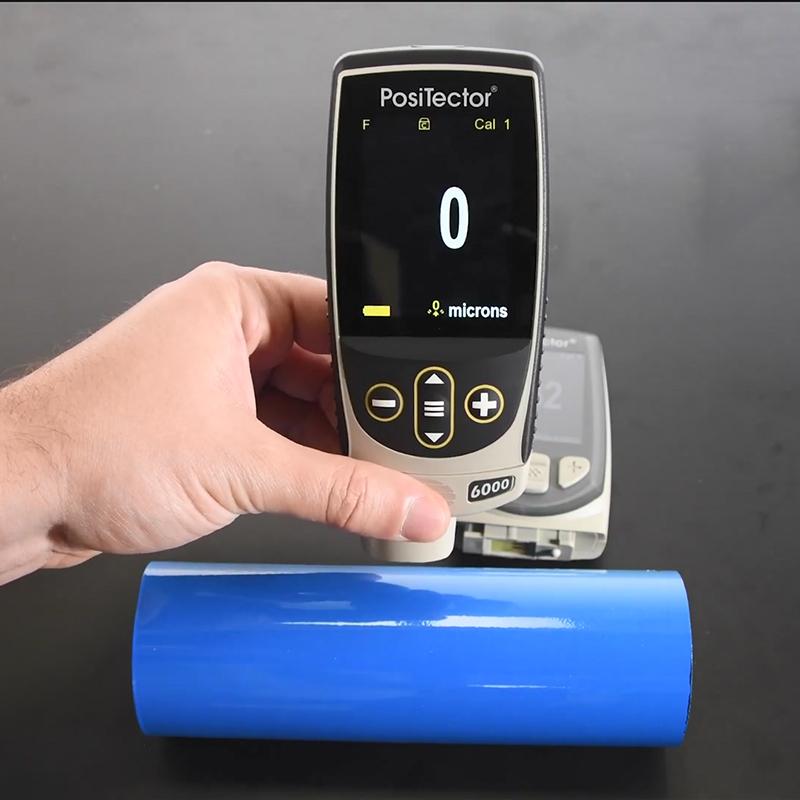
Eddy current probe Thickness Gauges are described in ASTM D1400 for measuring the thickness of non-conductive coatings applied to non-ferrous metal substrates. The probe is excited by alternating magnetic fields within the metal and measures by modifying the electrical properties of the probe coil. The extent of these changes is determined by the distance of the probe from the substrate and is displayed as coating thickness on the Thickness Gauge. Eddy current probe Thickness Gauges use plastic shims to calibrate on non-ferrous metal substrates in a manner similar to electromagnetic probes. Some instruments combine electromagnetic probe and eddy current probe functionality into a single unit.
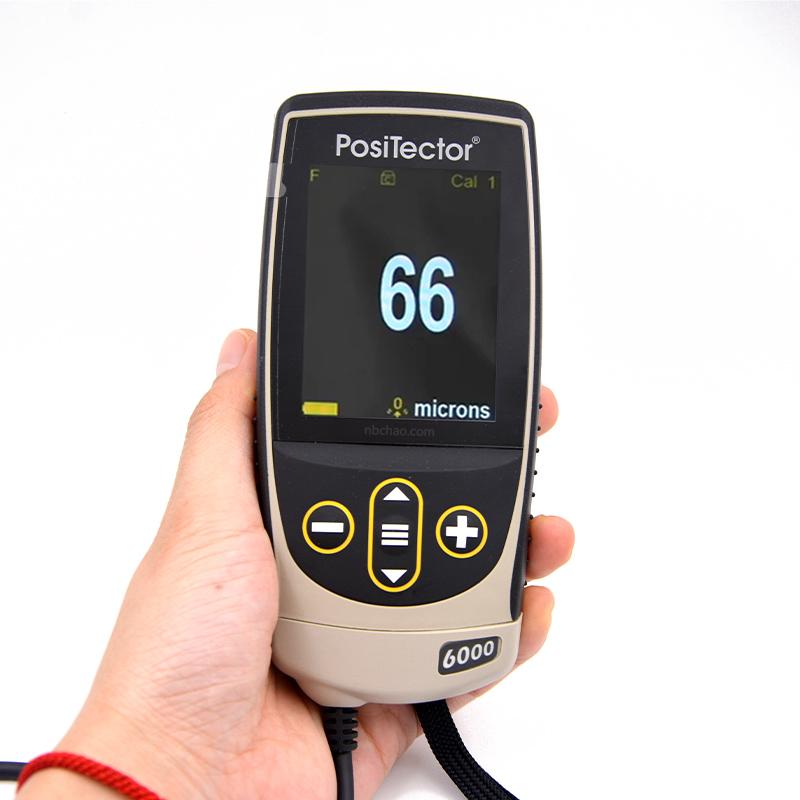
(3) Precautions
There are some precautions required when using any instrument with a magnet. The magnet is exposed and therefore tends to attract iron filings, steel pellets or particulate matter. The magnet must be cleaned during use or incorrect readings will result. If the instrument is used on a soft coated film, a plastic spacer can be placed on top of the surface to prevent the magnet from deforming the coating. The distance from the edge of any surface to the instrument should be no less than 1 inch; residual magnetism present in the structure of the coating being measured may erroneously affect the reading. Dial-type instruments (magnetic pull Thickness Gauges) present additional "human error" issues during use, as it is easy to continue turning the dial past the point where the magnet lifts from the surface, which will result in incorrect thickness measurements. . Therefore, it is necessary to ensure that the dial is stopped at the point where the magnet is detached from the surface.
6. The inspector should record the date and location of the measurement, the type of coating measured (primer, intermediate coat, topcoat), the product and type of measuring instrument used, the method of calibration, and whether the area inspected complies with specifications.
- 1Coated steel coatings - Determination of dry-film thickness
- 2Application scheme of coating thickness test on wood board [with test video]
- 3Curved plastic coating thickness test application scheme [with test video]
- 4PosiTector200C ultrasonic coating Thickness Gauge on concrete coating thickness measurement application
- 5Coating Metering rodsFAQ
- 6Measuring method of nondestructive heat spray-on lining thickness
- 7Coulomb Thickness Gauge FAQ and Its Solutions
- 8What are the FAQs for paints Thickness Gauges? How to solve it?
- 9Purpose and method of coating thickness measurement