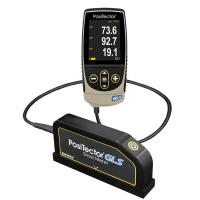
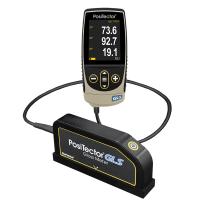
Surface painting mass detection and physicochemical performance measurement
Paint film quality inspection and physical and chemical property determination
In the coating industry, the measurement of paint film surface coating quality is an important step in ensuring that the coating meets the appearance and performance requirements. According to different product grades and processing techniques, testing of painted products or parts is a key step to ensure product quality.
Testing of physical and chemical properties of paint films
The physical and chemical property testing of the coating covers many aspects, including the following key properties:
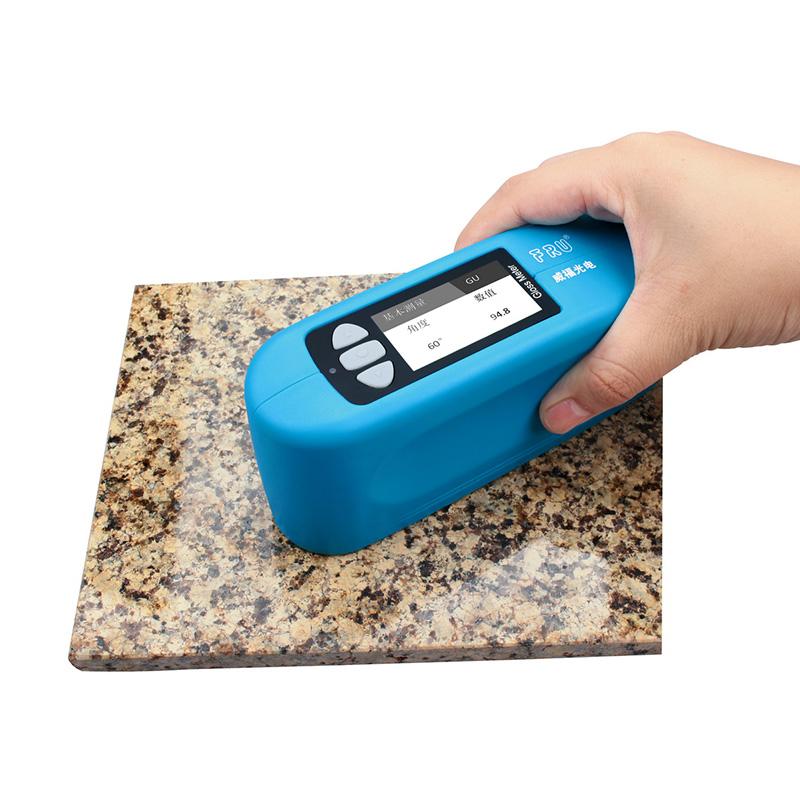
Paint film gloss: The surface smoothness and reflective ability of a coating.
Paint film liquid resistance: The coating's resistance to various liquids.
Dry heat resistance of paint film: The stability of the coating in dry and high-temperature environments.
Paint film resistance to moisture and heat: The stability of the coating under humid and high temperature conditions.
Paint film adhesion: The strength of the bond between the coating and the substrate.
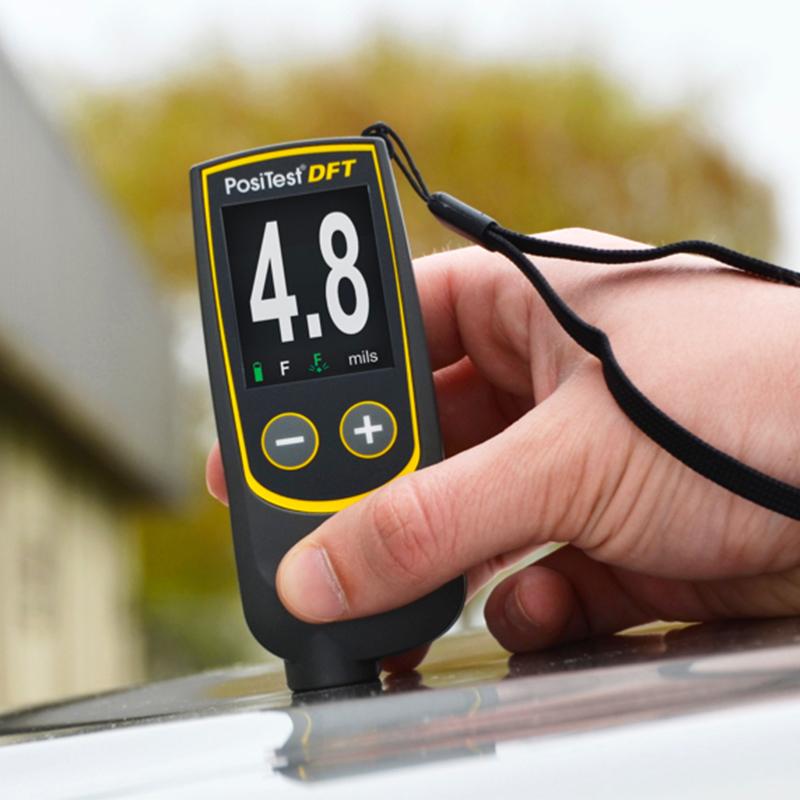
Paint film thickness: A measurement of the thickness of a coating that affects the performance of the coating.
Paint film resistance to hot and cold temperature differences: The performance of the coating under rapid temperature changes.
Paint film abrasion resistance: The ability of a coating to resist wear and abrasion.
Paint film impact resistance: The durability of the coating when subjected to external impact.
Paint film hardness: The hardness characteristics of the coating surface.
Paint film lightfastness: The coating resists aging and color changes caused by light.
Paint film resistance to dry and wet changes: the stability of the coating in alternating dry and wet environments.
Our country has developed relevant standards to measure these properties.
Sample selection and processing
In order to ensure the reliability and comparability of test results, national standards make the following provisions on the selection and processing of specimens:
The specimen specification is 250mm à 200mm. The specimen used for the wear resistance test is a circular plate with a diameter of 100mm and a small hole with a diameter of 8.5mm in the center.
The specimens shall be stored for at least 10 days after the coating is completed, and the test shall be carried out after ensuring that the paint is completely dry.
When the sample is submitted for inspection, a relevant report must be attached, including the name of the coating, summary of the coating process and production time.
The surface of the sample should be smooth and flat, and the coating should be free of scratches, bubbles and other defects.
There should be no less than three sample test areas, the distance between each area and the edge should not be less than 40mm, and the distance between the centers of the three test areas should not be less than 65mm.
By testing the physical and chemical properties of the paint film, we can ensure that the coating maintains stable performance under various conditions of use, thereby meeting product needs and requirements. The use of these testing methods and standards can help improve the control of the coating process and ensure product quality.
-
![DONGRU DR268 color screen three angle Glossmeter 0-2000Gs]()
-
![DONGRU DR61S Glossmeter 0-200Gs]() DONGRU DR61S Glossmeter 0-200Gs$ 314.00
DONGRU DR61S Glossmeter 0-200Gs$ 314.00 -
![DONGRU B60M color screen intelligent Glossmeter Measurement angle 60 °]()
-
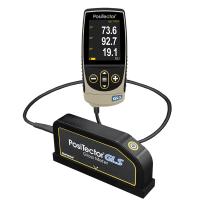
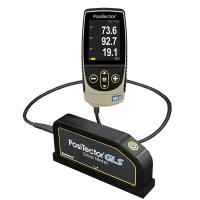
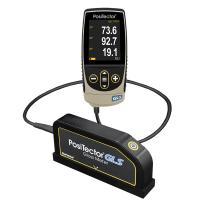
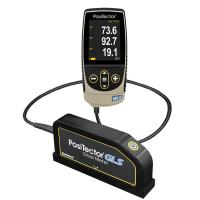
![Defelsko PosiTector GLS 20/60/85 Triangle Glossmeter Premium]()
-
![Defelsko PosiTector GLS2060-3 Dual Angle Glossmeter Premium]()
-
![Defelsko PosiTector GLS60-3 Single Angle Glossmeter Advanced]()
-
![Defelsko PosiTector GLS 20/60/85 three angle Glossmeter standard edition]()
-
![Defelsko PosiTector GLS 20/60 Dual Angle Glossmeter Standard Edition]()
-
![Defelsko PosiTector GLS 60 single angle Glossmeter standard edition]()