Thermal plasticity polyvinyl chloride (PVC) powder coatings in highway engineering: technical requirements and inspection methods
introduction
In highway engineering, outstanding anti-corrosion technology is a key factor in ensuring long-term stable operation of infrastructure. This article will focus on the technical requirements and related inspection methods of anti-corrosion thermoplastic polyvinyl chloride (PVC) powder coatings and coatings for highway use. By taking an in-depth look at this standard specification, we will reveal the importance of its application in highway engineering and how to ensure its quality and reliability.
skills requirement
coating adhesion
The standard specifies the adhesion test method for powder coatings to ensure that the coating can adhere tightly to the substrate surface. Good adhesion can not only improve the stability of the coating, but also enhance its corrosion resistance and extend its service life.
Weather resistance
The highway environment is complex, and the coating needs to have excellent weather resistance and be able to withstand adverse external factors such as sun, rain, temperature changes, etc. The development of relevant test methods can help evaluate the performance of coatings under different climatic conditions.
chemical stability
Considering the possible effects of chemical corrosion on roads, the chemical stability of coatings is particularly critical. The standard stipulates corresponding test methods to ensure that the coating remains stable in the face of chemicals such as acids and alkalis.
Testing method
1. Adhesion test
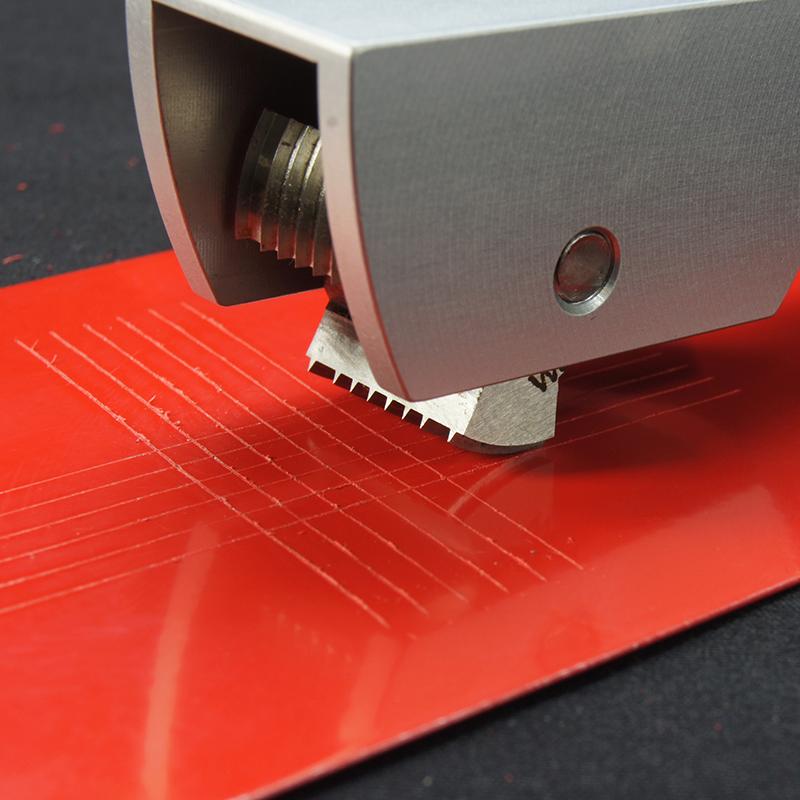
Adhesion testing usually uses the cross-hatch method or the peeling method to evaluate the adhesion of the coating by judging the cross-hatch or peeling conditions. This test method is designed to simulate the physical stresses faced under actual use conditions, ensuring that the coating remains robust under various stresses.
2. Weather resistance test
Weather resistance performance testing often includes exposure, salt spray and other tests to simulate the effects under different climate conditions. By evaluating how the coating performs under these conditions, a better understanding of its actual durability in a highway environment can be obtained.
3. Chemical stability testing
Chemical stability testing mainly focuses on the performance of the coating in chemical environments such as acids and alkalis. This test is designed to verify that the coating maintains its performance despite potential chemical attack.
Future trends
The formulation of standards for anti-corrosion thermoplastic polyvinyl chloride (PVC) powder coatings for highways aims to standardize the production and application of coatings and improve their reliability in highway projects. With the continuous advancement of science and technology, future development trends may include more stringent environmental adaptability testing, more efficient production processes, and more environmentally friendly raw material selection.
in conclusion
Through a detailed analysis of the technical requirements and inspection methods of anti-corrosion thermoplastic polyvinyl chloride (PVC) powder coating standards for highway use, we have a deeper understanding of the application of this key technology in highway engineering. The establishment of standards not only helps ensure the quality and performance of coatings, but also provides strong support for the sustainable development of highway projects. In the future, with the continuous innovation of technology, we are expected to witness the application of more advanced and environmentally friendly anti-corrosion coatings in highway projects, providing a more reliable guarantee for the long-term stable operation of infrastructure.
- 1Determination of thermal plasticity Resin melt flow rate
- 2Molecular weight and distribution characteristics of polyester resin in thermosetting powder coatings
- 3Density Determination Method and Application
- 4Determination method of cone-plate viscometer and its application
- 5Determination of compatibility of powder coatings: methods, effects and applications
- 6Evaluation of flowability of powder coatings: key factors and significance
- 7Evaluation and Application of Optical Properties of Powder coatings
- 8Importance of powder coatings curing degree and detection method
- 9Acrylic resin: performance inspection and Application