Method for preparing non-expansive and expansive transparent fire-proof coatings
With the rapid development of science and technology, transparent fire-retardant coatings, as an innovative material, have shown great potential in the fields of fire protection engineering and architectural design. This special coating not only provides good fire protection on flammable substrates, but also provides a decorative effect to the surface while maintaining the appearance of the raw material. Transparent fire retardant coatings are mainly divided into two categories: non-intumescent and intumescent . Among the two types, intumescent coatings are widely used at home and abroad due to their significant fire protection and flame retardant effects.
Characteristics and Limitations of Non-Intumescent Coatings
Non-expanding transparent fire retardant coatings form a glaze-like protective layer when exposed to fire, blocking oxygen and exerting flame retardant properties. However, the thermal conductivity of this protective layer is high, resulting in relatively large consumption of paint, making the use cost high and limiting its application scope. Nevertheless, it still plays a unique role in the fire protection needs of special occasions.
Good performance of intumescent coatings
In contrast, intumescent transparent fire-retardant coatings have attracted much attention for their ability to form a sponge-like carbon layer under high temperature conditions. This carbonaceous layer is non-flammable and its thickness can reach dozens or even hundreds of times the original thickness of the coating. This effectively isolates external heat sources while producing non-flammable gases such as carbon dioxide and water vapor, reducing the concentration of flammable gases and oxygen. Therefore, intumescent coatings have more significant effects in fire protection and flame retardancy, laying the foundation for their wide application.
Components and preparation methods of intumescent coatings
Intumescent transparent fire retardant coatings are usually composed of a variety of components, including base materials, dehydrating agents, carbonizing agents, foaming agents, flame retardants, fillers, additives and dispersants. Amino resin or alkyd resin is often used in the selection of base materials, and substances containing flame retardant elements such as phosphorus, boron, and halogen are used as dehydrating agents. Polyols containing hydroxyl groups are usually used as carbonizing agents, foaming agents, and flame retardants. The reasonable combination of various components such as agents is also key. During the preparation process, through strict process control, a colorless and transparent coating can be obtained with good fire resistance and transparency.
Detailed steps of preparation method
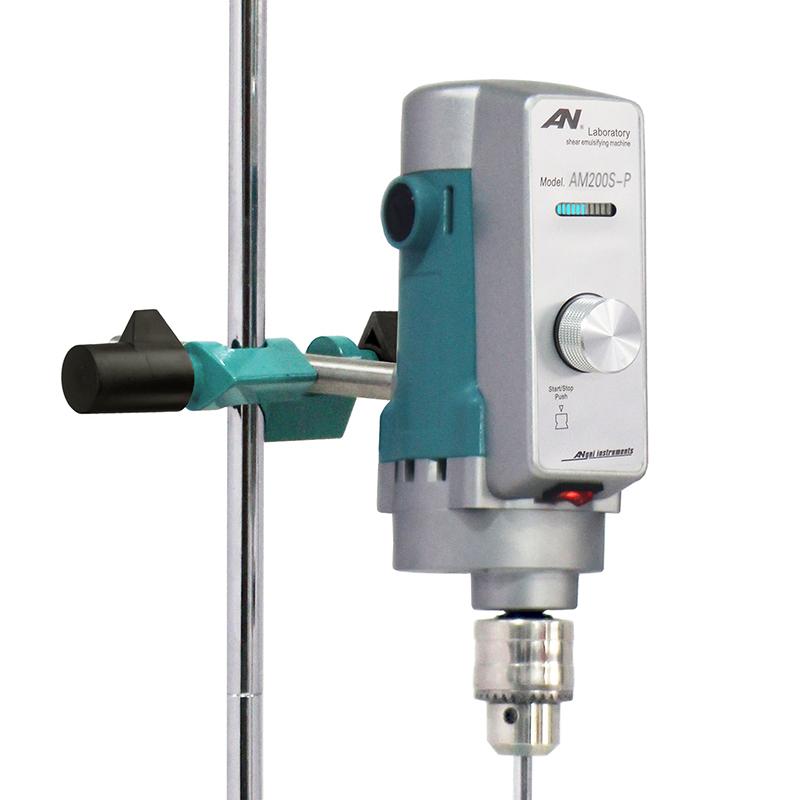
The method for preparing an intumescent transparent fire-retardant coating includes the following steps: first, add formaldehyde and ethanol in a four-necked flask according to a specific formula, and perform a reflux reaction by adding urea to form a colorless and transparent liquid. Then, through steps such as adjusting the pH value and vacuum dehydration, the urea-formaldehyde resin base material is obtained. Finally, phosphoric acid, starch, methenamine and water are added to the base material in a certain proportion, and through stirring and grinding, an intumescent transparent fire retardant coating is prepared.
Future development and application prospects
The emergence of transparent fire-retardant coatings has brought new possibilities to fire protection engineering and architectural design. It not only provides effective fire protection, but also beautifies the building surface and maintains its original appearance. Because it uses water as the solvent, it has low cost and is easy to operate, transparent fire-retardant coatings have broad development prospects. With the continuous advancement of science and technology, the performance of transparent fire-retardant coatings will be further improved, and its application prospects in construction, industry and other fields will be broader, making greater contributions to social safety and sustainable development.
In general, the development and application of transparent fire-retardant coatings is a very challenging task. By gaining an in-depth understanding of the types, properties and preparation methods of coatings, we can better understand their importance in the field of fire protection. In the future, as people's attention to safety and environmental protection continues to increase, transparent fire-retardant coatings will play a more important role in construction, transportation and other fields, providing more reliable protection for people's lives and property safety.