Rheological performance of Coating industrial antisagging agent
As a material widely used on various surfaces, coatings are not only used for beautification, but also undertake the task of protecting and improving surface properties. However, during the construction and application process of paint, the paint will exhibit thixotropy under the action of shear force, causing it to become more fluid, which may cause uneven coating and sagging problems. To solve this challenge, the coatings industry has introduced a special additive - anti-sag agent. The job of these anti-sag agents is to improve the rheological properties of the coating, thereby preventing and mitigating the occurrence of sag problems.
What is thixotropy?
Thixotropy means that when paint is subjected to shear, its consistency decreases, making the paint more fluid. The amount of shear force is directly proportional to the decrease in paint consistency, so at high shear rates, paint has a lower viscosity and flows more easily. However, when the shear force is removed, the consistency of the paint gradually returns to its original state. This phenomenon is known as thixotropy.
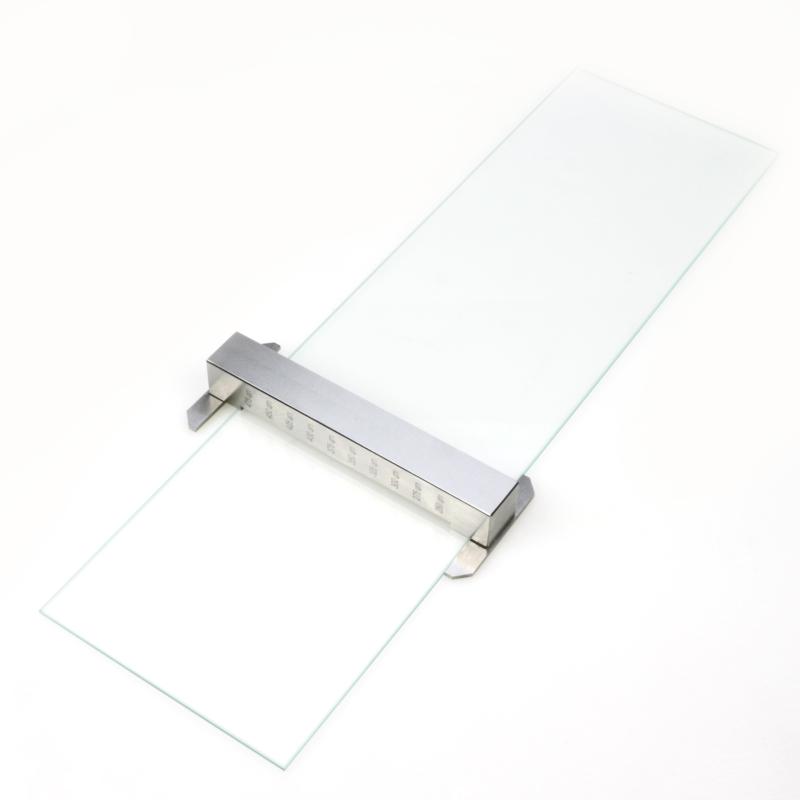
The mechanism of action of anti-sag agent
Anti-sag agents work by changing the rheological properties of the paint. Their mechanism of action includes the following aspects:
1. Low viscosity at high shear rates: Anti-sag agents can reduce the viscosity of coatings at high shear rates, which helps achieve better fluidity during application. When paint needs to be applied or sprayed, low viscosity paints are easier to handle.
2. High viscosity at low shear rates: Anti-sag agents can increase the viscosity of coatings at low shear rates before and after application. This helps prevent pigment settling and wet film sagging. High-viscosity coatings maintain their uniformity better after shear is removed.
Types and applications of anti-sag agents
There are many different types of anti-sag agents, and different types of anti-sag agents can be selected depending on the type of coating and application requirements. Here are some common anti-sag agents and their application areas:
1. Organobentonite: Usually used in solvent-based coatings, organobentonite can reduce the viscosity of the coating and improve fluidity under high shear rates.
2. Hydrogenated castor oil: An anti-sag agent commonly used in solvent-based coatings. It has the ability to improve the rheological properties of the coating and help prevent sag problems.
3. Fumed silica: Usually used in solvent-based coatings, it can effectively adjust the rheological properties of the coating and reduce the risk of sagging.
4. Hydroxyethyl cellulose and water-based resin: In water-based coatings, cellulose derivatives such as hydroxyethyl cellulose and water-based resins such as polyvinyl alcohol and polyacrylate are often used as anti-sag agents. They can effectively improve the rheological properties of coatings and prevent sagging problems.
in conclusion
Anti-sag agents play a key role in the coatings industry. They prevent and alleviate sagging problems by cleverly adjusting the rheological properties of the paint, ensuring that the paint can be evenly and smoothly applied to various surfaces during construction and application. Different types of coating projects have specific needs for anti-sag agents, so research and selection of suitable anti-sag agents are crucial for the coatings industry. In the future, we can look forward to the emergence of more efficient and environmentally friendly anti-sag agents, providing more possibilities and choices for coatings in various application fields. Anti-sag agents will continue to inject new technological impetus into the coating industry and promote the continuous development of coating performance and application fields.