Working mechanism, common types and performance considerations of light stabilizers
preface
Coatings, while beautifying and protecting various surfaces, face the problem of photo-oxidation or photo-aging caused by sunlight and strong fluorescent irradiation. This phenomenon attracted the attention of scientists, who found a solution, which is to use light stabilizers. As a special type of substance, light stabilizers can resist the photo-oxidation process and provide an effective protection mechanism for coatings. This article will delve into the working mechanism, types and key role of light stabilizers in the coatings industry.
How light stabilizers work
Light stabilizers exert their effects through different working mechanisms, including shielding, reflection, absorption of UV rays, etc. The choice of these mechanisms depends on the structure and properties of the light stabilizer:
1. Light shielding and reflection: Some substances in light stabilizers can shield, reflect or absorb ultraviolet rays and convert them into harmless heat energy. This helps prevent UV damage to the coating and maintains the original appearance and performance of the coating.
2. Quench excited state molecules: Other photostabilizers can quench the excited state of molecules or groups excited by ultraviolet light and quickly return them to the ground state. This process rules out the possibility that these excited-state molecules are involved in photochemical reactions that could lead to photooxidation.
3. Capture free radicals: Some light stabilizers work by capturing free radicals produced by photo-oxidation. In this way, they prevent free radical reactions, thereby preventing aging and degradation of the product.
Common types of light stabilizers
There are many types of light stabilizers, each playing a key role in a specific application. Here are some common types of light stabilizers:
1. Salicylates: Mainly used to absorb ultraviolet rays and reduce the impact of ultraviolet rays on coatings.
2. Benzophenones: have unique absorption and quenching capabilities and effectively protect the coating.
3. Benzotriazoles: Effectively capture free radicals and protect the coating from UV damage.
4. Triazines: Excellent at absorbing UV rays and converting them into heat energy.
5. Replace acrylonitrile: effectively inhibit the reaction caused by ultraviolet rays and protect the coating.
6. Oxamides: Excellent at capturing free radicals and protecting coatings from UV damage.
Light Stabilizer Selection and Performance Considerations
When selecting a light stabilizer, there are several factors to consider to ensure its effectiveness and suitability:
1. Compatibility: Compatible with paint ingredients to prevent adverse reactions.
2. Durability of the effect: It is durable, ensuring that the coating remains flat for a long time without photoaging problems.
3. Convenience of construction: It is easy to add and mix without increasing the complexity of construction.
4. Non-toxic: Non-toxic or low-toxic, ensuring that the construction process does not harm human health.
5. Economical: Reasonable price to ensure economical coating construction.
The important role of light stabilizers
Light stabilizers play an integral role in the coatings industry. By balancing surface tension, improving leveling and creating a uniform surface, light stabilizers ensure that coatings adhere well to a variety of surfaces in different environments, providing long-lasting beauty and protection. Its protective effect extends the life of the paint and improves the quality of the paint.
With the continuous development of science and technology, we can expect to see the emergence of more efficient and environmentally friendly light stabilizers. This will provide more possibilities and options for coatings in various application areas. In future coating research and development, light stabilizers will continue to evolve, injecting new vitality into the coatings industry and providing more sustainable coating solutions for our lives and environment.
in conclusion
As the invisible guardian of coatings, light stabilizers provide a powerful protection mechanism for the coating to prevent photo-oxidation and photo-aging. By choosing the right light stabilizer, coating manufacturers can tailor the properties of the paint film to meet the needs of different application areas. With the continuous pursuit of environmentally friendly performance, light stabilizers
The research and development of coatings will continue to promote the progress of the coatings industry and provide the market with higher performance and more sustainable coatings products. The future of light stabilizers is full of potential and will play an increasingly important role in the field of coatings.
-
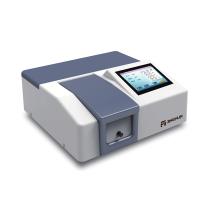
![JINGHUA JH752 Benchtop UV-Visible Spectrophotometer Bandwidth 4nm]()
-
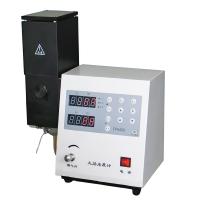
![YUEFENG FP6429 Flame photometer Na/Ba]() YUEFENG FP6429 Flame photometer Na/Ba$ 1450.00
YUEFENG FP6429 Flame photometer Na/Ba$ 1450.00 -
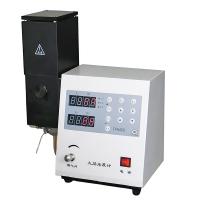
![YUEFENG FP6428 Flame photometer Na/Ca]() YUEFENG FP6428 Flame photometer Na/Ca$ 1450.00
YUEFENG FP6428 Flame photometer Na/Ca$ 1450.00 -
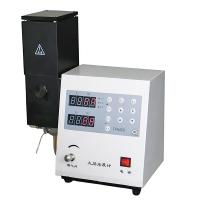
![YUEFENG FP6427 Flame photometer Na/Li]() YUEFENG FP6427 Flame photometer Na/Li$ 1450.00
YUEFENG FP6427 Flame photometer Na/Li$ 1450.00 -
![YUEFENG FP6426 Flame photometer K/Ba]() YUEFENG FP6426 Flame photometer K/Ba$ 1450.00
YUEFENG FP6426 Flame photometer K/Ba$ 1450.00 -
![YUEFENG FP6425 Flame photometer K/Ca]() YUEFENG FP6425 Flame photometer K/Ca$ 1450.00
YUEFENG FP6425 Flame photometer K/Ca$ 1450.00 -
![YUEFENG FP6424 Flame photometer K/Li]() YUEFENG FP6424 Flame photometer K/Li$ 1450.00
YUEFENG FP6424 Flame photometer K/Li$ 1450.00 -
![YUEFENG FP6423 Flame photometer Calcium Ca/Ba]()
-
![YUEFENG FP6422 Flame photometer Li/Ba]() YUEFENG FP6422 Flame photometer Li/Ba$ 1450.00
YUEFENG FP6422 Flame photometer Li/Ba$ 1450.00