Analysis of solvent volatilization rate in Coating and detailed explanation of effective control strategy
In the field of coatings, solvent evaporation rate is a crucial parameter, which is directly related to the preparation, storage, construction and final coating film quality and performance. This article will delve into the importance of solvent evaporation rates, influencing factors, and how to meet specific construction requirements through reasonable control strategies.
The importance of solvent evaporation rate
In painting projects, the drying speed of paint is crucial to the quality and construction performance of the coating film. As a key factor in drying speed, the solvent evaporation rate directly affects the performance of the coating. Rapid evaporation may cause leveling and gloss problems, while slow drying may result in uneven surface texture or whitening. In this regard, we also need to pay attention to the "whitening" phenomenon that may occur during the spraying process. This is a white film formed by the mixture of moisture and paint, which may damage the quality of the paint film.
Factors affecting solvent evaporation rate
The nature of the solvent itself
The boiling point, molecular weight and molecular structure of the solvent directly affect its volatilization rate. Solvents with low boiling points usually have higher vapor pressures at room temperature and evaporate faster.
Paint formulation
The solvents in coatings are mixtures with different volatilization speeds and properties. Reasonable formula design is crucial to meet specific construction requirements.
Construction Conditions
Climatic humidity and temperature are key factors affecting the evaporation rate. In hot and humid climates, the likelihood of moisture condensation is higher, so the evaporation rate needs to be adjusted appropriately.
Solvent evaporation rate control strategy
Choose the right solvent
Selecting a solvent with the right evaporation rate and performance in a coating formulation requires careful consideration of the coating type and application area.
Adjust solvent ratio
By rationally adjusting the proportions of different solvents, the evaporation rate of the coating can be fine-tuned to meet specific construction requirements.
Control construction conditions
According to different climatic conditions, the evaporation rate of the paint is adjusted to prevent moisture condensation and whitening. Selecting the appropriate solvent and application temperature are key to achieving this goal.
Viscosity control
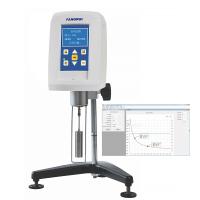
Viscosity is another important performance parameter of coatings and is affected by the type and amount of solvent. Through proper viscosity control, the coating can ensure good fluidity during application.
The solvent evaporation rate plays a role that cannot be ignored in the coating project and has a direct impact on the quality and performance of the coating. By selecting the appropriate solvent, adjusting the ratio, and controlling construction conditions and viscosity, we are able to effectively control the solvent evaporation rate to meet specific construction requirements and performance standards. This is critical to the success of the coating industry, as the quality and durability of the final paint film directly depends on the quality and performance of the coating. In future coating research and practice, we also need to continuously deepen our understanding of solvent volatilization rates and explore more refined control strategies to promote continuous innovation and development of coating technology.