Application of different types of solvents and analysis of their construction requirements
preface
In coating engineering, solvents, which play a key role in the performance of coatings and construction processes, are representatives of volatile components. The production, storage, construction and performance of the final coating film are all profoundly affected by the solvent's solubility and evaporation rate. This article will delve into the role of solvents in coatings and the application of different types of solvents in different situations, providing a more systematic and in-depth understanding of coating engineering.
Solvent composition and classification:
Coatings are usually composed of three main components of solvents, namely true solvents, co-solvents and diluents.
True solvents are compounds that can effectively dissolve synthetic resins, such as esters, ketones, etc. They play an important role in coatings. They can not only dissolve synthetic resins, but also be miscible with other substances, making them more plastic during the coating process.
Co-solvent, co-solvent works synergistically with the true solvent to enhance the dissolving ability of the resin. Aromatic hydrocarbons and chlorinated hydrocarbons are common co-solvents that can improve the solubility of synthetic resins in coatings.
Thinner, the main function of thinner is to reduce the viscosity of paint so that it can be applied more easily. Alcohols are common thinners that work by reducing the concentration of paint to make it flow more easily during application.
Applications of different types of solvents
Different types of solvents have their own application scenarios in coating preparation:
Aromatic hydrocarbons and chlorinated hydrocarbons, these compounds are often used as true solvents for synthetic resins and can be used to prepare many types of coatings due to their excellent solubility properties.
Alcohols, alcohols play the role of co-solvents in the dissolution of nitrocellulose and other substances. Alcohols are often the true solvents for resins containing highly polar groups.
Aliphatic hydrocarbons (petroleum solvents). Aliphatic hydrocarbons are generally ineffective at dissolving acrylic resins, but can be used as co-solvents in some cases. At the same time, they can also be used as diluents under certain conditions to reduce the concentration of paint, and their toxicity needs to be carefully considered.
Solvent adjustment and construction requirements
In the coating project, different construction requirements can be met by adjusting the selection and proportion of solvents.
Solvent evaporation rate, choose an appropriate evaporation rate to ensure that the paint has enough time to flow and spread during the construction process, and at the same time, it can evaporate quickly after the paint film is formed. Reasonable control of evaporation rate can avoid a series of problems during construction.
The solvent balance principle maintains the balance of true solvents, co-solvents and diluents in the paint to ensure the chemical stability and performance of the paint. This requires a careful balance of ingredients in the paint formulation to fully realize their benefits.
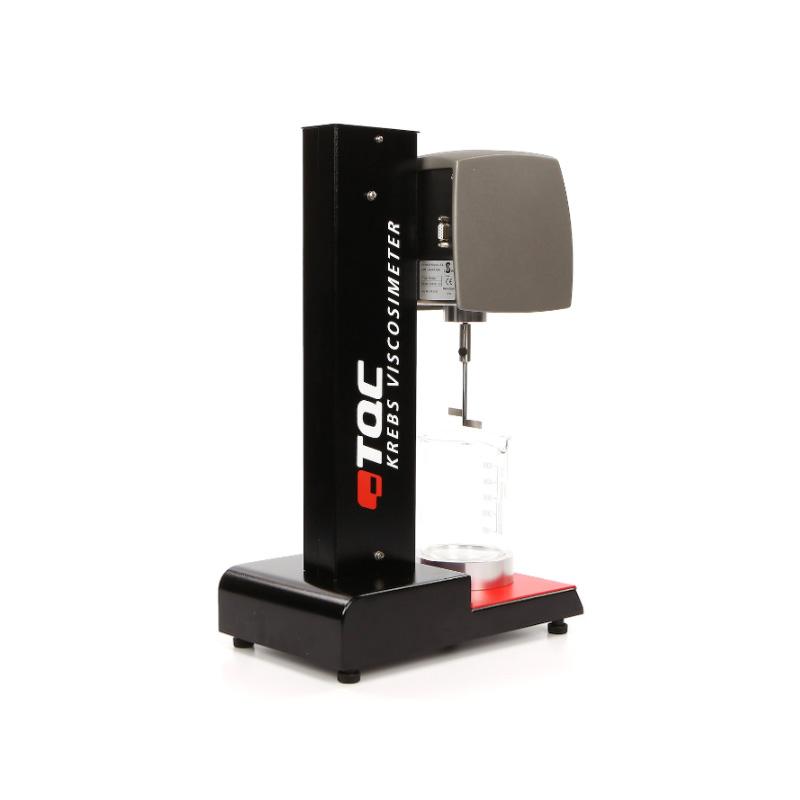
Paint viscosity: adjust the viscosity of the paint by adding an appropriate amount of diluent to make it easier to apply and achieve the best construction effect. Reasonable adjustment of viscosity is crucial for adaptability to different processes and coating equipment.
Conclusion
Solvents in coatings are both an art of regulation and an engineering practice in coating engineering. By gaining an in-depth understanding of the properties and applications of different types of solvents, as well as the principles of adjustment in actual construction, we are able to better understand the impact of solvents on coating performance and effectively address various construction challenges. In future coating research and practice, we need to continuously optimize coating formulas and finely regulate the use of solvents to promote continuous innovation and development of coating technology. Professionals in the coating field should pay close attention to the research on new solvents and make greater contributions to the sustainable development of coating engineering.